What a twat! Not since marrying Tina Newcombe at the age of 22 have I made such a bad decision. I'd spent Saturday in the Peak District, walking along Mam Tor with Angela and Matthew and then headed off to my mum's house in Stoke. As we were arriving in Stoke, the pager started bleeping, telling me about the Afrikaan Royal Tern in Land-dudno, Wales. I quickly dropped the family off at mum's and headed off to North Wales. Unfortunately, by the time I got to Chester the bird had flown off high and hadn't been seen for well over an hour. My mind turned to Co. Cork and Black Rock Sands, (where the bird had put in all to brief appearences before heading for the horizon never to be seen again - in the same place anyway) and then to my family waiting patiently at my mum's house. So, I filled up with fuel and stupidly started heading back. 15 minutes later, the pager was bleaping, informing me of the Royal Tern's reappearance. I quick handbrake-turn on the A51 and I was on my way back to North Wales. Unfortunately, by the time I arrived (6.30 pm) the bird really had disappeared. An all too brief return by the bird for 5 luck observers (of which I wasn't one) at 8pm was the only other time it might have been seen. The worst of it is, is that the bird flew off at 6pm, 20 minutes before I arrived. Had I not turned around and lost half-an-hour, I would have arrived on site at about 5.50 and seen the bird for about 10 minutes before if flew off. Why did I turn round? Why!!!!!???
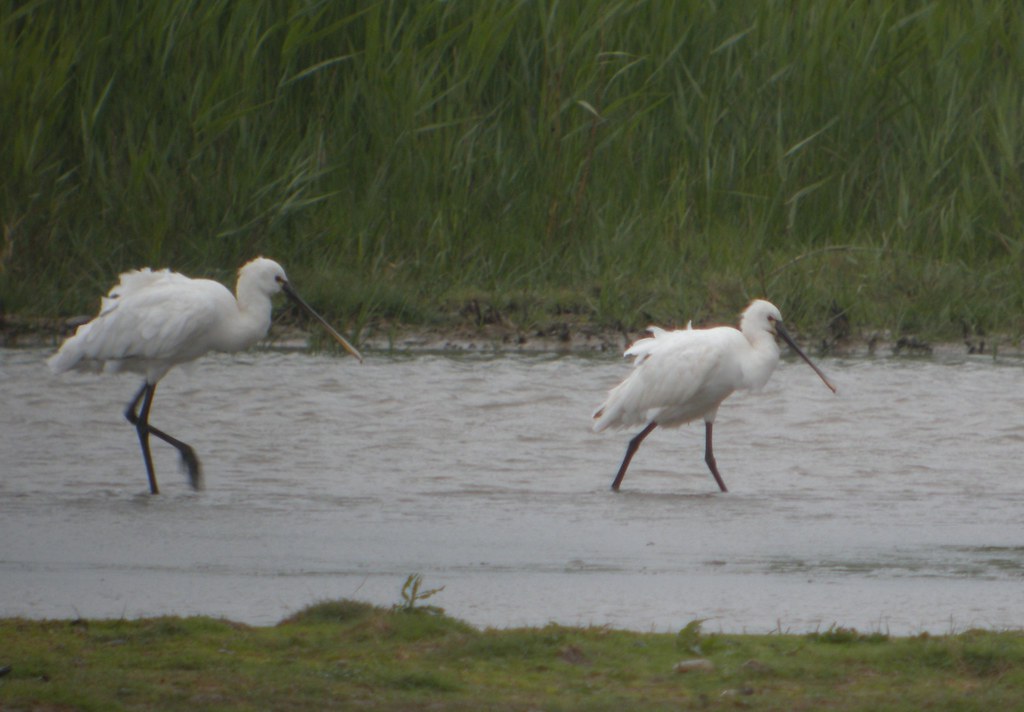
Headed up to North Norfolk for what turned out to be a very wet day. First stop was Cley NWT. Hardly any waders on Pat's/Simmonds scrapes, but North Scrape was much more productive. 2 imm Eurasian Spoonbills were on the scrape and actually woke up for a while and started feeding (see below). Also on the scrape were 2 Little Stints and 2 1st-summer Little Gulls.
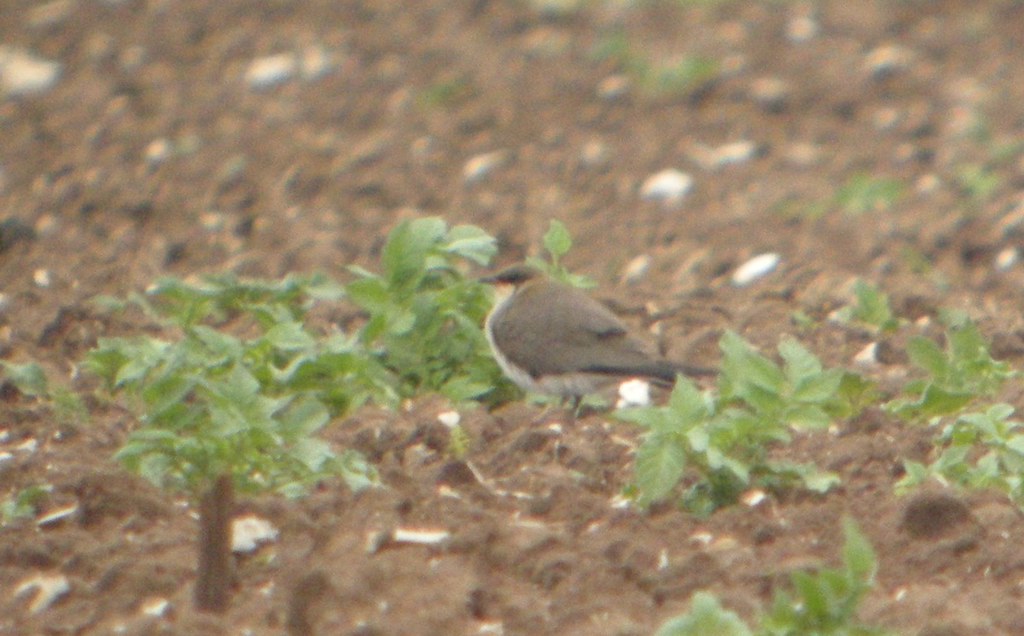
Next it was along to Thornham to have another look at the Black-winged Pratincole. It was in the ploughed field by the reservoir, but the light wasn't too good and I only got one half-decent photo of it.
Then, finally to Titchwell. It hammered it down with rain after I got to Parrinder Hide, but other than about 500 Common Swift pushed down by the rain, not much else was on show. 5 Little Gulls and a Ruff were the only thing of note. A quick dash to the car between rain showers and that was the end of the day.
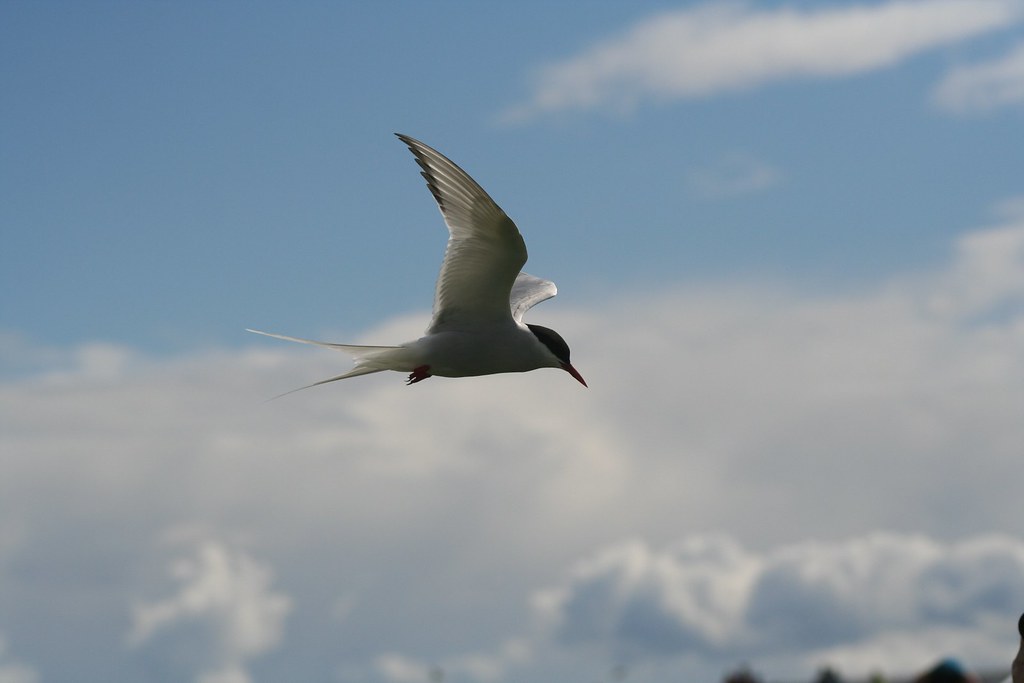
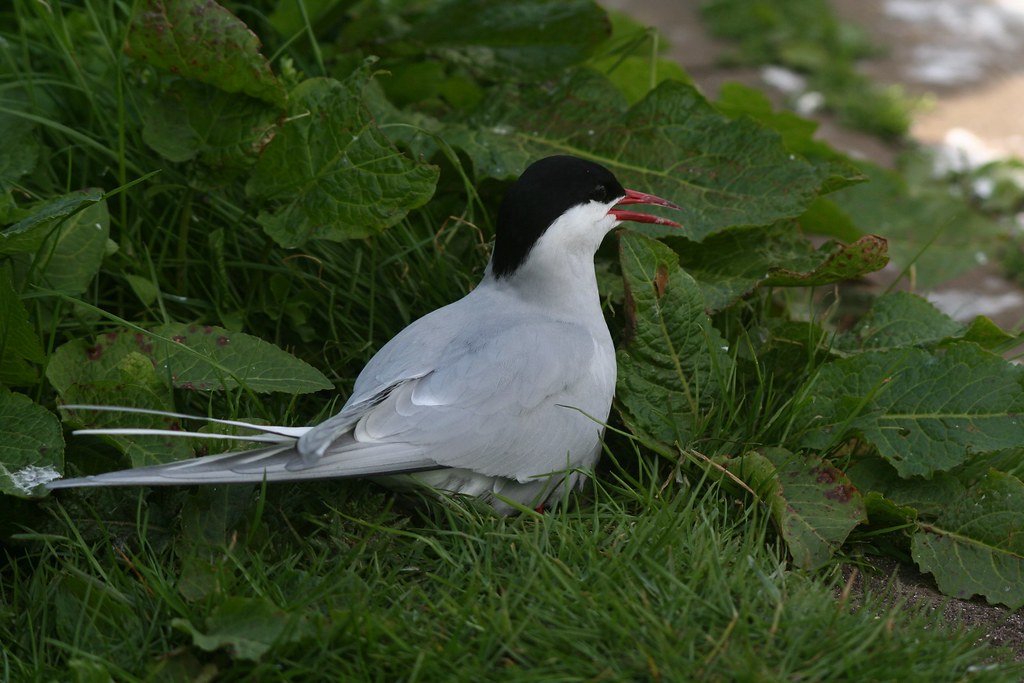
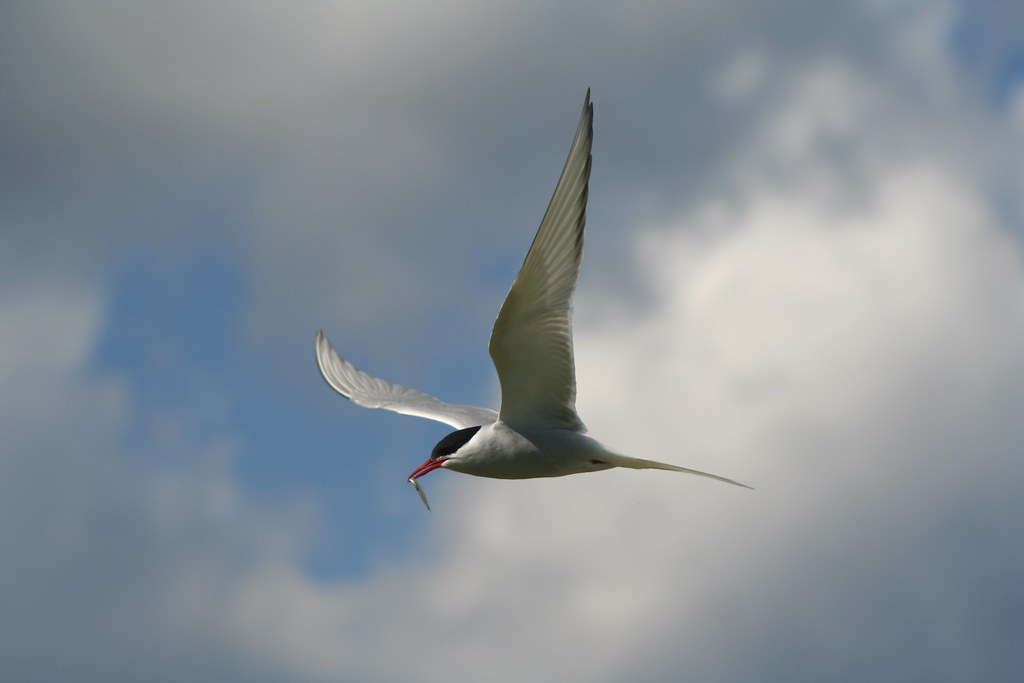
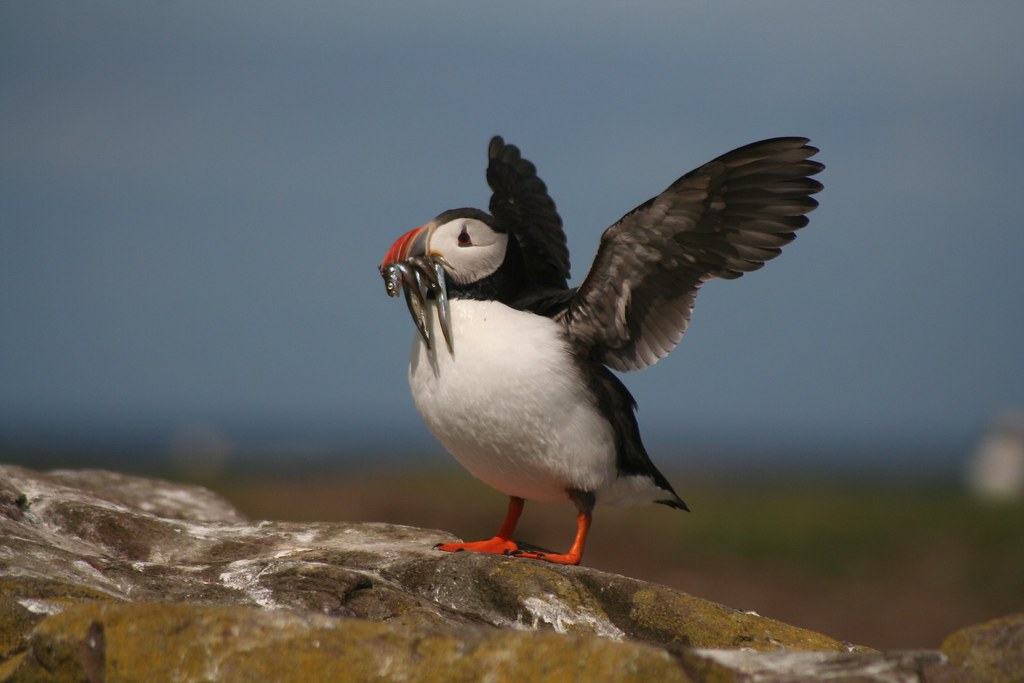
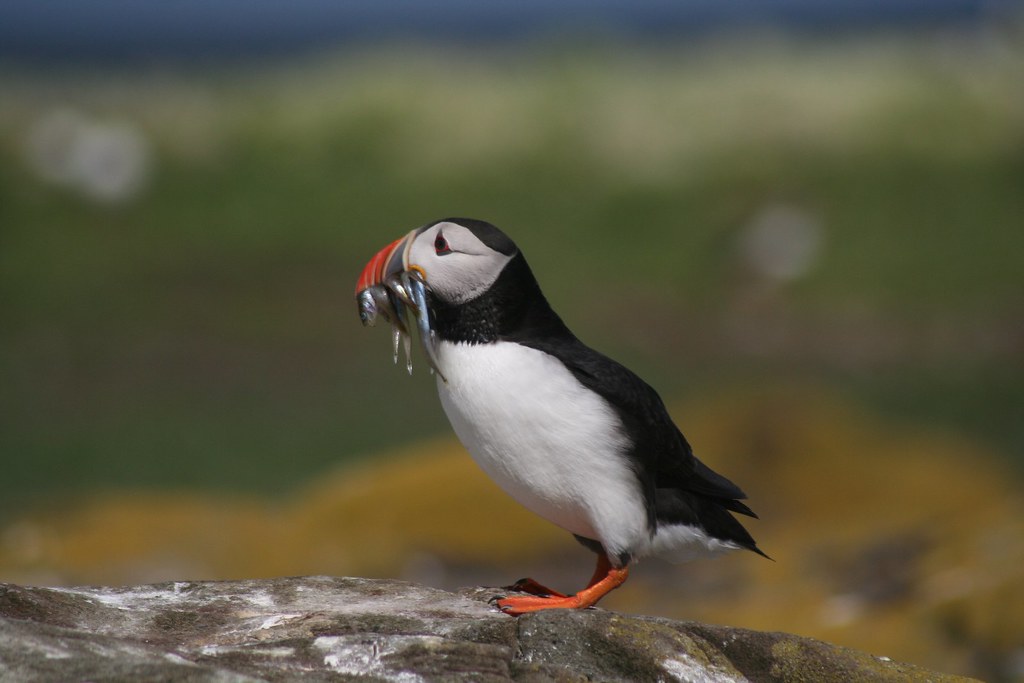
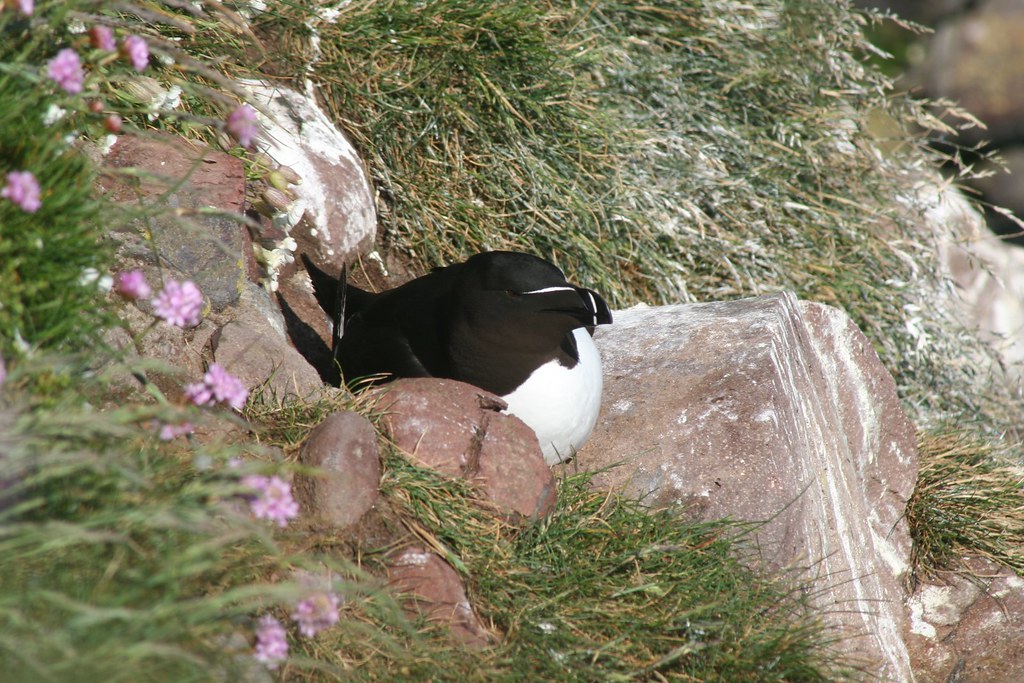
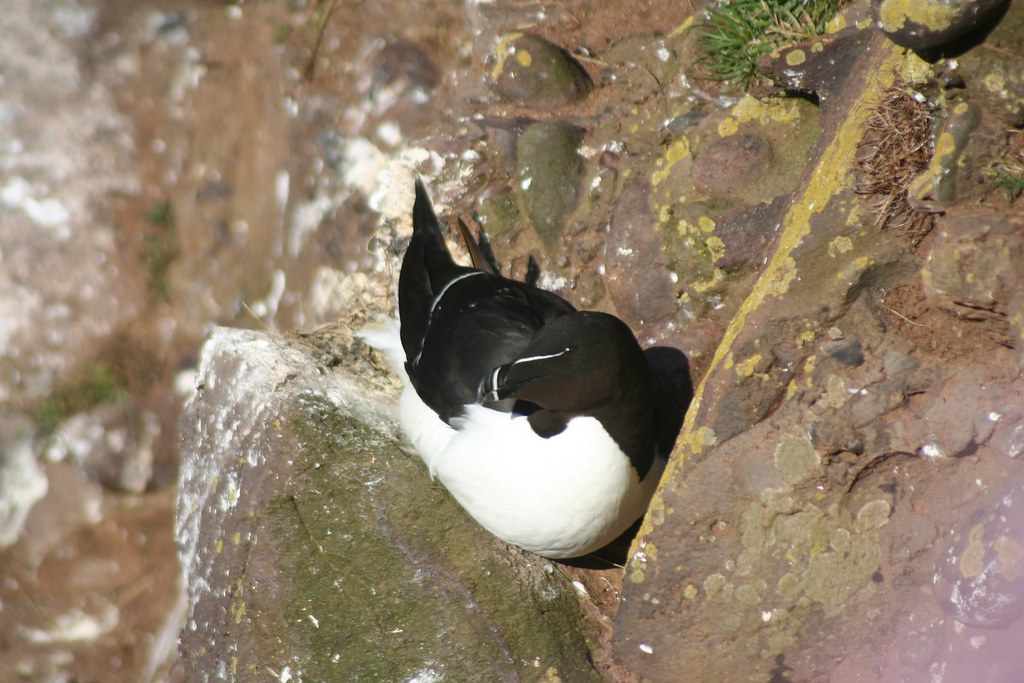
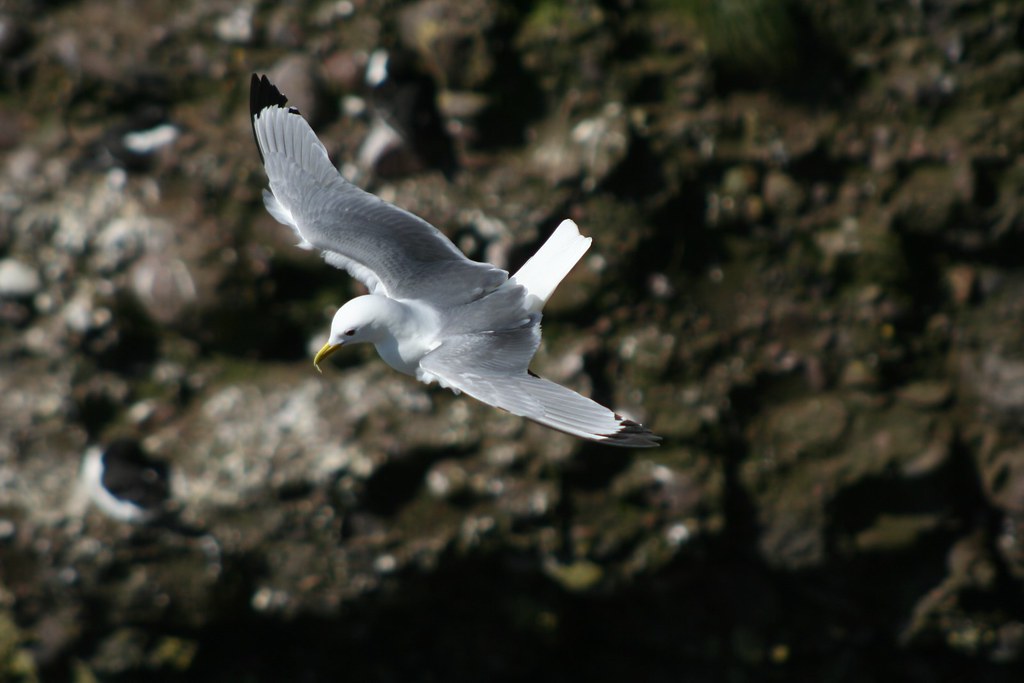
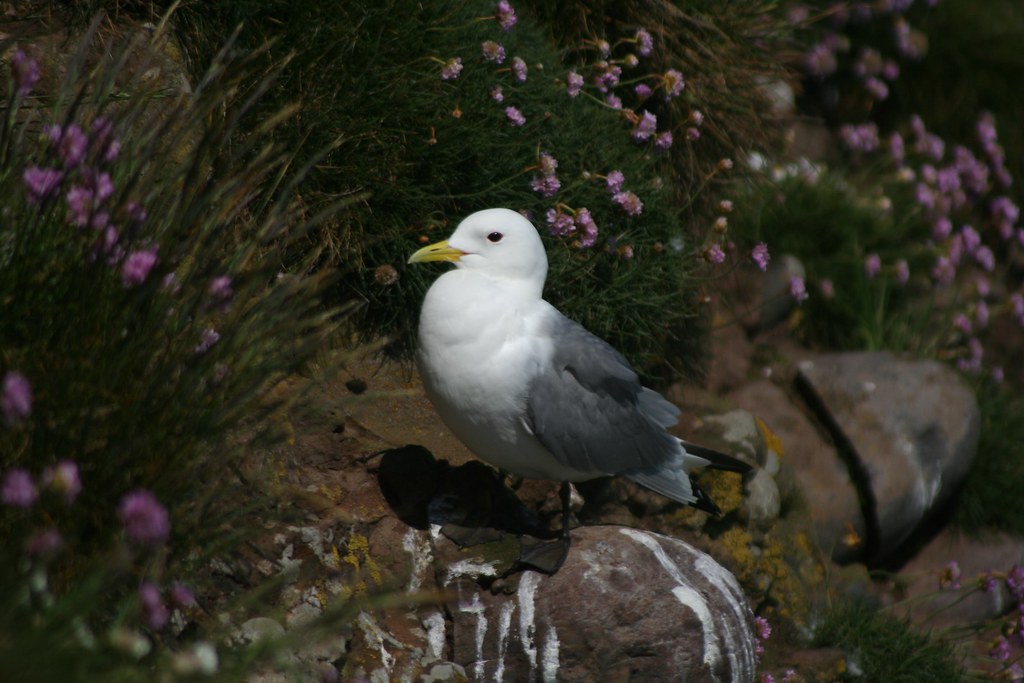
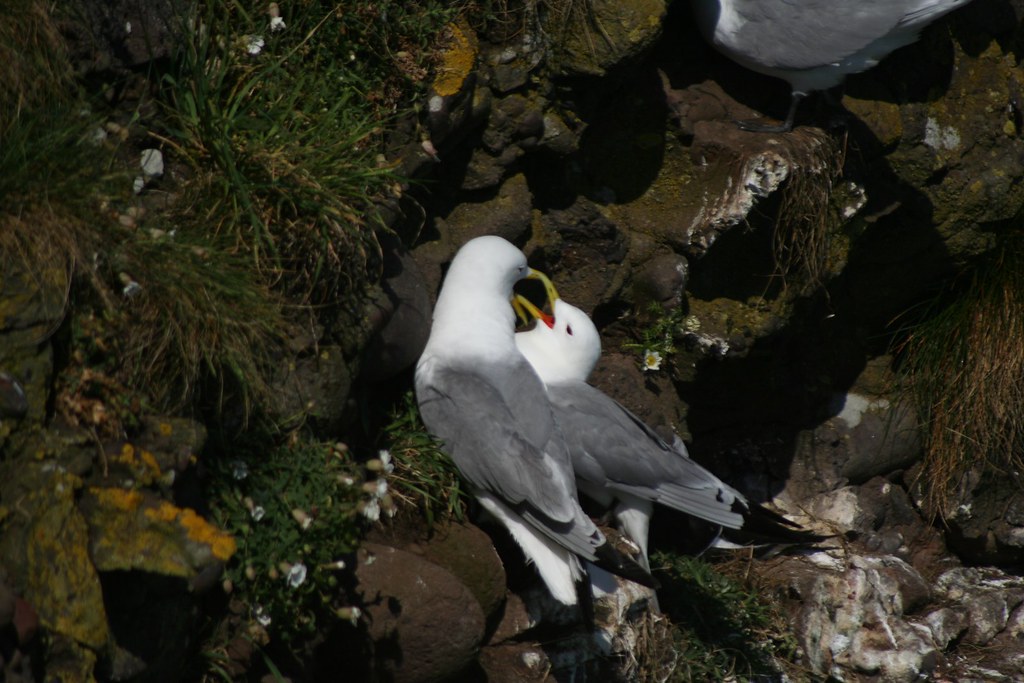
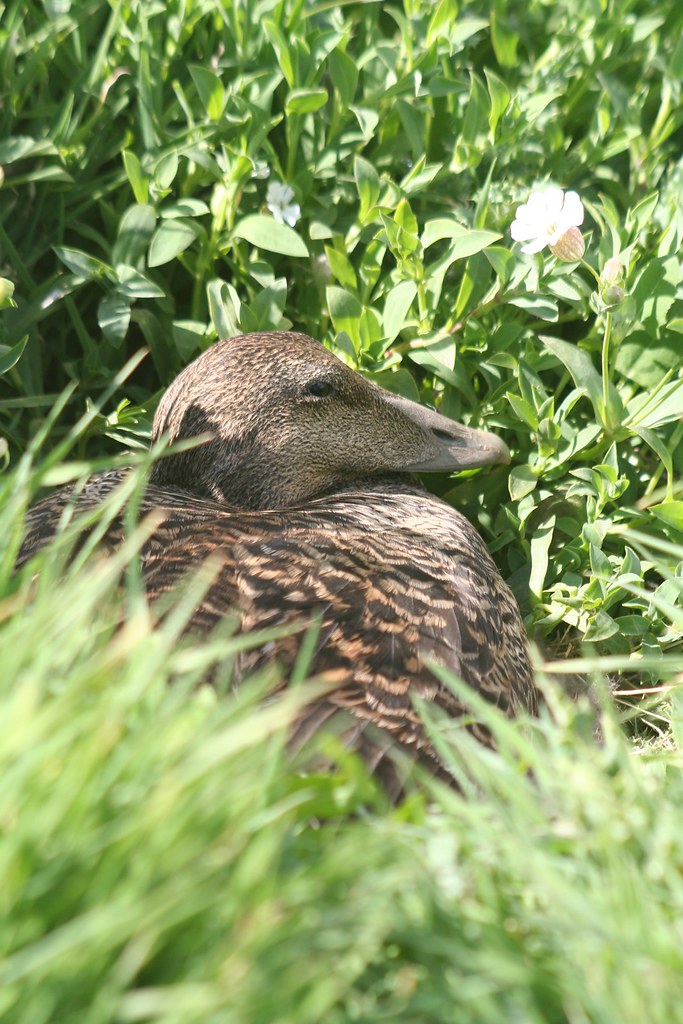
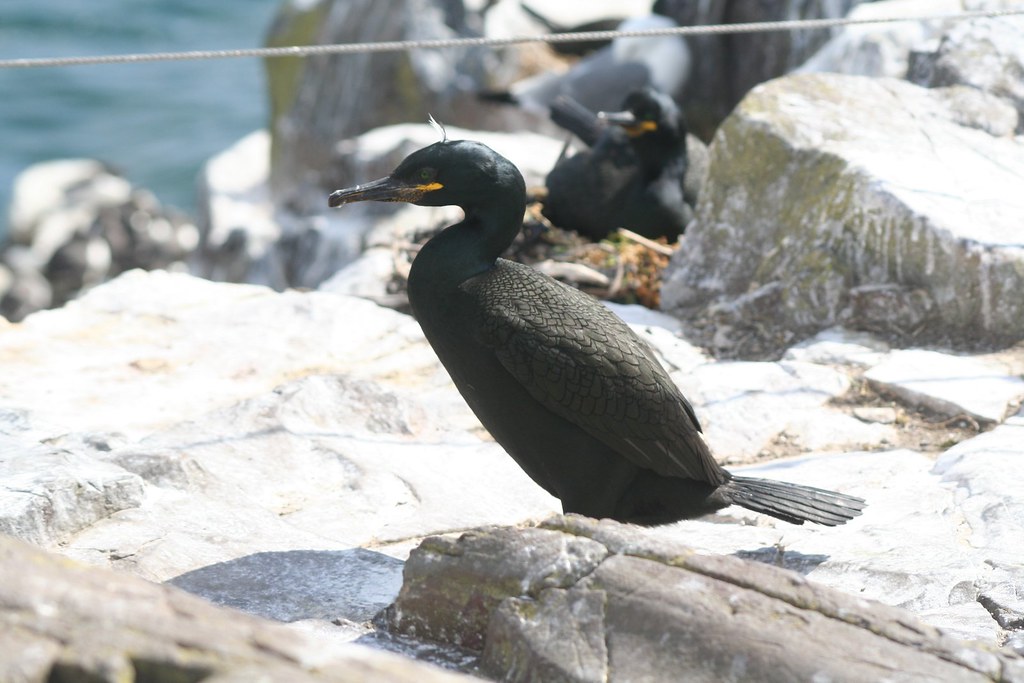
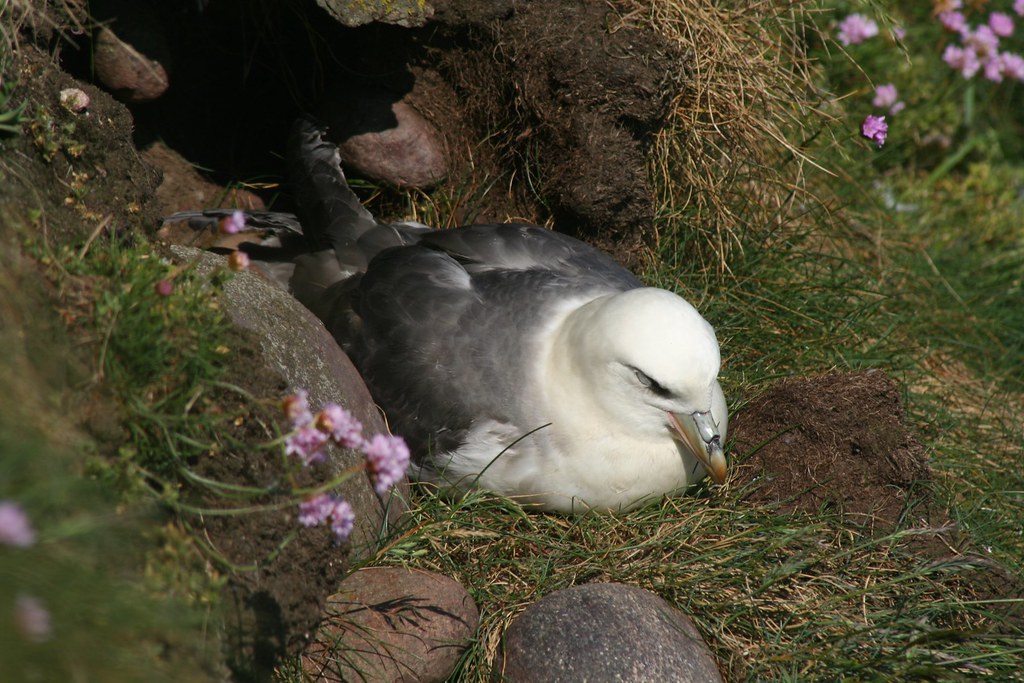
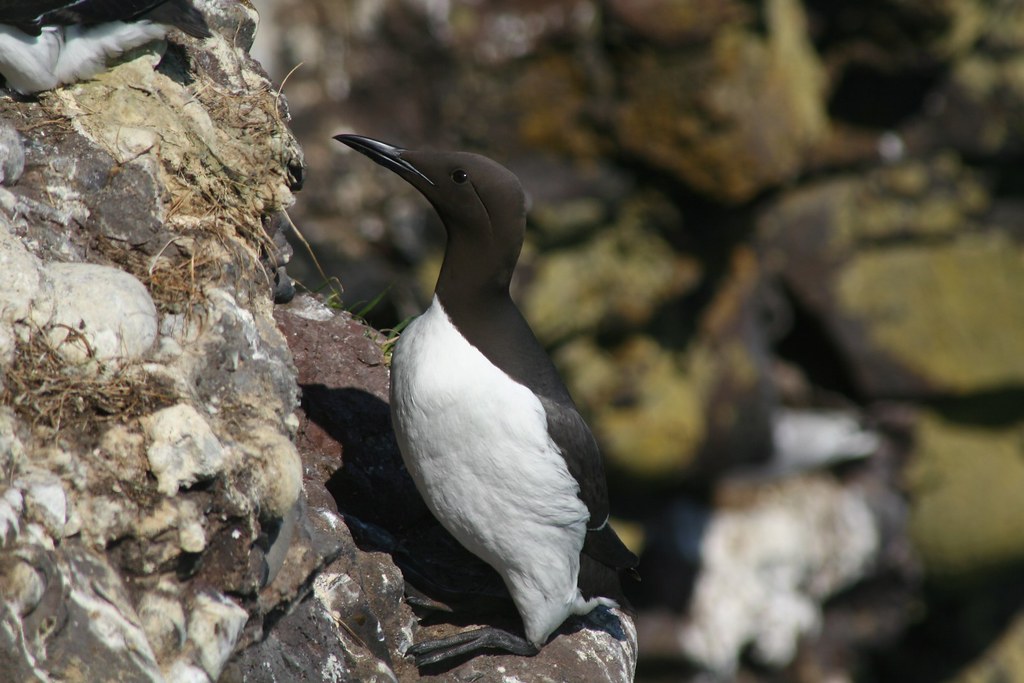
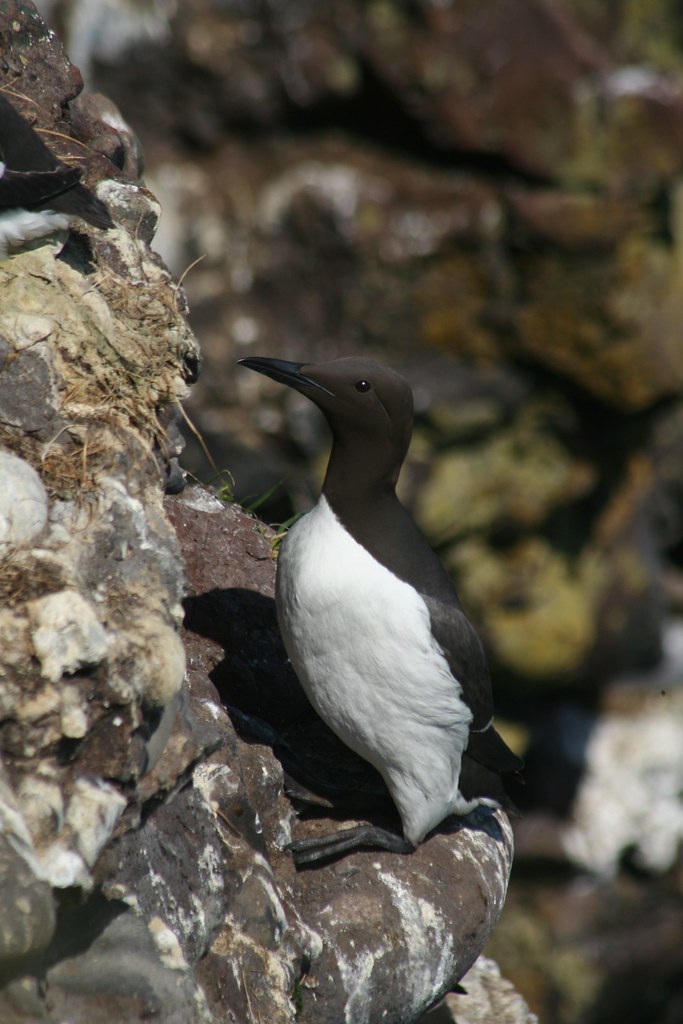
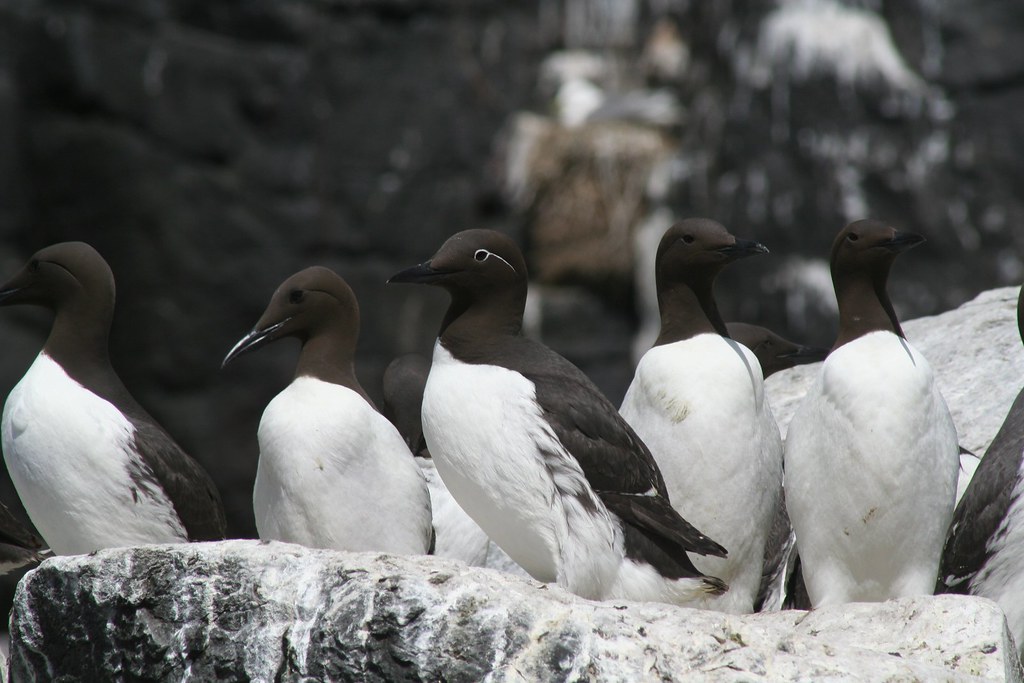
A family holiday, culminating in Angela running the Edinburgh Marathon, was taken last week. The main birding spots were The Farne Islands and Fowlsheugh (an RSPB seabird reserve, just south of Stoneheaven, at Crawton). Nearly all the seabirds we saw either had eggs or were preparing nest sites. The best of my photos are shown below.
I went to see the AGP on Breydon Water, Great Yarmouth today. The bird was showing really well, on the near grassy sandbank west of the bird hide. At one point it did a full side-on wing stretch and showed off it's grey underwing very well. I've captured it doing another wing-stretch, slightly at an angle, but the grey axillaries can still be seen. The bird's starting its body moult now and a few dark marks can be seen on the belly.
As I had 5.30pm flight out of LAX, I had plenty of time to do some birding during the day. Andy Birch had kindly offered to take me birding for the morning, despite having quite a hectic home life with his 3-month-old baby girl. He picked me up from my motel and we headed down to Marina del Rey to look for gulls. There’d been a couple of Thayer’s Gulls around, but they were not on show and the only gull of any note was nice 3rd-winter F1-looking hybrid Glaucous-winged x Western Gull. There were a few nice birds around the marina area though, in the way of a couple of Pacific Divers, Horned (Slavonian) Grebe, Royal Tern, c30 Surfbirds and a single Black Turnstone.
Next we headed off to the South Coast Botanic Gardens, where a Thick-billed Kingbird had been seen regularly recently. We headed down to the lake where the bird had been seen and were soon watching it perched on an exposed branch at the top of a dead tree overlooking the lake. The bird moved around and we bumped into it a couple of times as we birded other areas around the lake. There had been a couple of Varied Thrushes reported in the more overgrown areas, but investigations of scratching noises produced only a couple of Hermit Thrushes and a Pacific Fox Sparrow. There were a few other birds of interest around the gardens though. Bell’s Vireo was probably the best bird we bumped into, but Red-shafted Flickers, Red-shouldered Hawk and Red-tailed Hawk all added to a nice ‘red’ theme and Pacific-slope Flycatcher, Ruby-crowned Kinglet, American Robin and Townsend Warbler all added to the variation.
And that’s the end of my California ‘business’ trip. I love California. It’s a great place, with great weather and great birds. I look forward to my next visit.
This was mainly a travel day from Salton Sea to Los Angeles, but I decided to have a quick look at the successful Sprague’s Pipit field again and see if I could digi-scope some pipits. I headed straight for the shorter grass and within a few minutes I’d found my first Sprague’s Pipit. Unfortunately, the bird flushed before I saw it and it flew up calling (similar to a the liquid “shreeep” call of a Richard’s Pipit, but weaker and often given twice). It gained height and flew off east until it was a speck in the bins and then eventually disappeared without any sign it was going to land any time soon!
I hunted around for about 5 minutes more, when I flushed another bird. This time it only flew about 30 metres and landed back in the field. I walked around to get sun-side of it and soon found it wandering around in the grass with a second bird nearby. I spent the next 2 hours with the bird, slowly walking it to the end of the field, letting it stop and feed every few minutes until it seemed relatively happy with my presence. I stopped to digi-scope it at every opportunity, until the bird reached the end of the field, much of which was devoid of any vegetation. Although it hesitated to go out into the open, I finally coaxed it out and it showed really well, occasionally running up the sandy bank of a drainage channel wall which bordered the field.
After a while I left the bird and spent a short while walking another part of the field. 5 Chestnut-collared Longspurs where a nice surprise – a bird I haven’t seen for about 15 years, on the Canadian Prairies. Also a flock of 30 Horned Larks flew around the field, one of which landed quite close and provided a good photo opportunity.
And so my trip to Salton Sea came to an end. I drove back to the motel, packed up my stuff and headed off to LA.
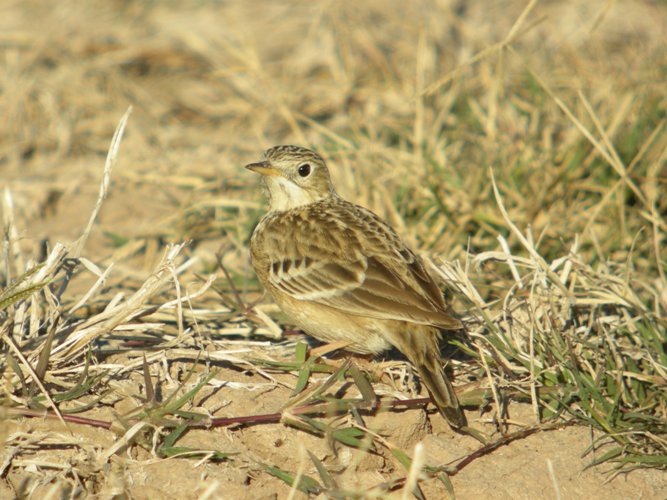
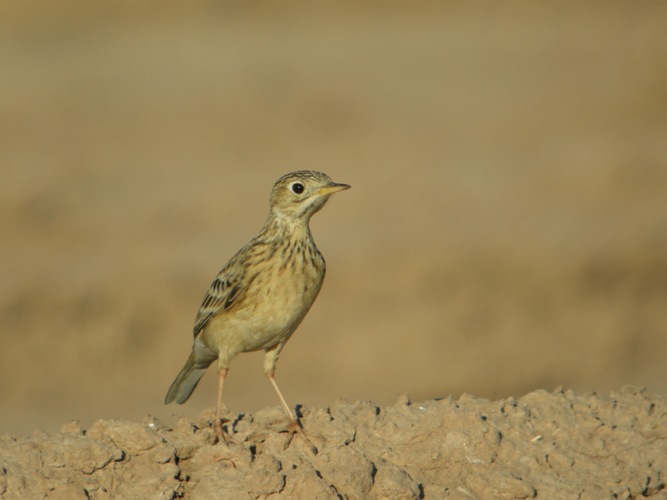
The usual view of Sprague's Pipit
With some patience, some good views of Sprague's Pipits can be obtained
I started off just after dawn at another site for Sprague’s Pipit, this time a bit closer to the prison. From Wiest (which runs north-south, just east of the prison) I took Peterson road west. When the bushes that line the road stop and there is a single tree to the north of it, park safely to the side of the road and check the field on the south side of the road (you need to cross the drainage ditch by going over the sluice). This time I was in luck. The grass in the east side of the field is quite long, but this thins out and in this shorter grass I managed to get views of at least 3 Sprague’s Pipit (see my article on finding these birds HERE).
After finishing at the field I headed off to Red Hill Boat Launch. There were lots of waders roosting in the bay on the right long Garst Road, mainly American Avocets, Black-necked Stilts and Ring-billed Gulls. The wires on the side of the road had lots of Barn and Tree Swallows and the area of mud and sand at the end of Garst Road had lots of waders and ducks, but unfortunately, lots of hunters too.
I headed off to the boat launch and stop at a couple of sites along the eastern and western side. Yellow-footed Gull was the best bird I saw here. There was an adult mooching around with a bunch of cormorants, plus a bird which could have been a first-winter, with white head and underparts, but it didn’t move around much, so I couldn’t get much more on it. Lots of Brown and White Pelicans on the water here too.
Next stop was the Sonny Bono Salton Sea National Wildlife Refuge Headquaters (what a mouthful!). This was the first place where I’d seen Snow Geese in any large numbers (about 5000), but they were feeding in rather distant fields, not close enough to pick out any Ross’s Geese in them. When the got up and flew around I could pick out two blue-phase birds, one an adult, the other a juvenile. The area around the visitors centre was good for a number of birds; Gambell’s Quail, Verdin and Abert’s Towhee were all seen around this area. Obsidian Butte was the next stop. There had been Lesser Black-backedand Yellow-footed Gull reported at this site recently, but the number of gulls was quite low and only Glaucous-winged and Herring Gulls could be seen.
Next I thought I’d look for Mountain Plovers in the burned fields dotted around south-east Salton Sea. The first burned field I found was at the junction of West Rutherford and Brandt. This field had a small flock of 33 Mountain Plovers in, but the best flock I found was a flock of ~200 birds just south of the junction of Kalin Rd and Sinclair Rd.
I finished the day at Unit 1, which was full of birds! The rarest bird was a male Eurasian Wigeon, feeding on the ponds between the observation tower and the Salton Sea. Other birds seen from the observation tower were Northern Harrier, White-tailed Kite, White-faced Ibis and Yuma Clapper Rail (heard).There were about 150 Sandhill Cranes feeding in the fields along the approach road, along with about another 5000 Snow Geese. Many of these birds were close enough to examine closely and I could make out quite a lot of Ross’s Geese in them. The wader pools to the west of the approach road were particularly good. Lots of Long-billed Dowitchers, Least Sands, Semi-p Sand, and this was the only place I saw Stilt Sandpipers (about 20 in total). A good end to a memorable day.
Male Gambell's Quail
Female Gambell's Quail (left) and Burrowing Owl (right) with pellets.
Part of a Snow and Ross's Goose flock (left) and 1st-winter Ring-billed Gull (right)
Arrived in Salton Sea and stayed at the Brawley Inn, on the west side of Brawley next to Hwy 86. I headed straight off to an area near Calipatria State Prison, at the junction of Blair and Montgomery, where both Sprague’s Pipit and Chestnut-collared Longspur had been reported recently. I spent the last 1 ½hours of light walking around the fields looking for Sprague’s Pipit, but to no avail. The only birds of note that I did see was Horned Lark (fly-over, calling) and a bird which might have been a Red-throated Pipit. It was in the field to the north-east of the junction and then after watching it for about 10 seconds it flew off over a drainage ditch to the field south-east of the junction. The bird was feeding with numerous Savannah Sparrows. It had a heavily streaked back with white ‘tramlines’ running down its back (with an olive background), with white underparts, boldly streaked black. The face and ear coverts were plain olive with a faint creamy supercillium and it had a thin, pipit-like bill. Unfortunately, it didn’t stay very long and flew off without calling. As I still needed Sprague’s Pipit and it was a long way round to entrance to the field it had flown to, I decided not to pursue it. As I got crippling views of Sprague’s Pipit the next two mornings, I wish I had gone after it now!
Sprague's Pipit has been found increasingly in the Salton Sea region
After spending a whole afternoon failing to see Sprague's Pipit and then finding them the next morning, I thought I'd write a note about how to find them. Sprague's Pipits occur in dry fallow fields in the agricultural areas on the south side of Salton Sea. I saw them near Calipatria State Prison, on the south side of East Peterson Road, about quarter of a mile east of the prison. From Wiest (which runs north-south, just east of the prison) I took Peterson road west. When the bushes that line the road stop and there is a single tree to the north of it, park safely to the side of the road and check the field on the south side of the road (you need to cross the drainage ditch by going over the sluice). The field the birds were in (at least 3 of them) was quite different from the fallow field I'd tried the night before. It had lots of small furrows running down it with narrow 'ridges' of higher ground which were slightly more overgrown than the lower areas flanking them. The furrows were very small furrows, not deep ones, but just deep enough to make it a bit awkward to walk on. The field appeared to have plenty of weeds and native grasses growing in it. The most easterly part of the field had a lot of long grass (about 1 foot high) which contained lots of Savannah Sparrows, but the pipits preferred the more open area on the west side of the field. When flushed, the birds would frequently fly to the overgrown ridges. The key in seeing them on the ground is to watch where the birds land, then move round with the sun behind you and walk slowly towards the point where the bird landed. Scan the ground about 30 metres in front of you and look for the birds creeping around in the furrows. The Sprague's Pipits that I saw seemed to prefer to walk away from me rather than fly and I obtained quite good views of the birds because of this. One note: I spent a total of about 6 hours in total walking around fields near the prison and was never bothered by prison staff or farm workers. Sprague's Pipit habitat
The main aim of today was to stake out Nelson's Sharp-tailed Sparrow on the high tide in MissionBay, but the tide didn't seem to be high enough and I drew a blank.
I started off at first light at Formosa Slough. There were plenty of shorebirds there, mainly dowitchers and Semi-p Sands. The best birds were two female Hooded Mergansers on the relief channel between the lake and the flood control. There were also 3 Little Blue Herons (2 adults and 1 juvenile) and Hermit Thrush.
I then headed off to Mission Bay where I spent an hour either side of high tide failing to see the Nelson's. There were plenty of other birds around though, including Belding's and Large-billed Sparrows, 4 Violet-green Swallows and Clapper Rail. Then it was off to the South Bay Marine Biological Study Area (what a mouthful that is!). Great place though with loads of birds. 30 White Pelicans, 15 Bonaparte's Gulls, 200 Black Brants, 20 Royal Terns, 100 Forster's Terns, American Herring Gull, Osprey and Red Knot.
The mouth of Tijuana Slough was good, with the highlight being 3 Pacific Golden Plovers. Also in the area was 30 Royal Terns, Caspian Tern, Greater Yellowlegs, 15 Surf Scoters, Whimbrel, Red-breasted Mergansers and 4 Buff-bellied Pipits.
Pair of Hooded Mergansers, male left, female right