Thursday, 15 October 2009
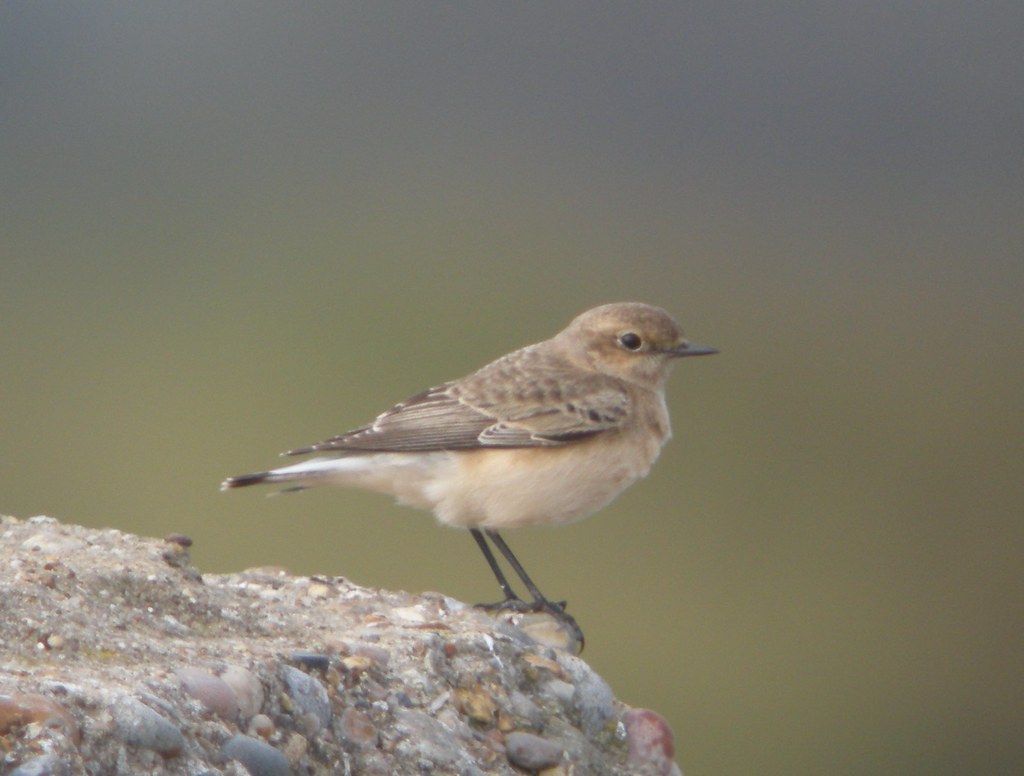
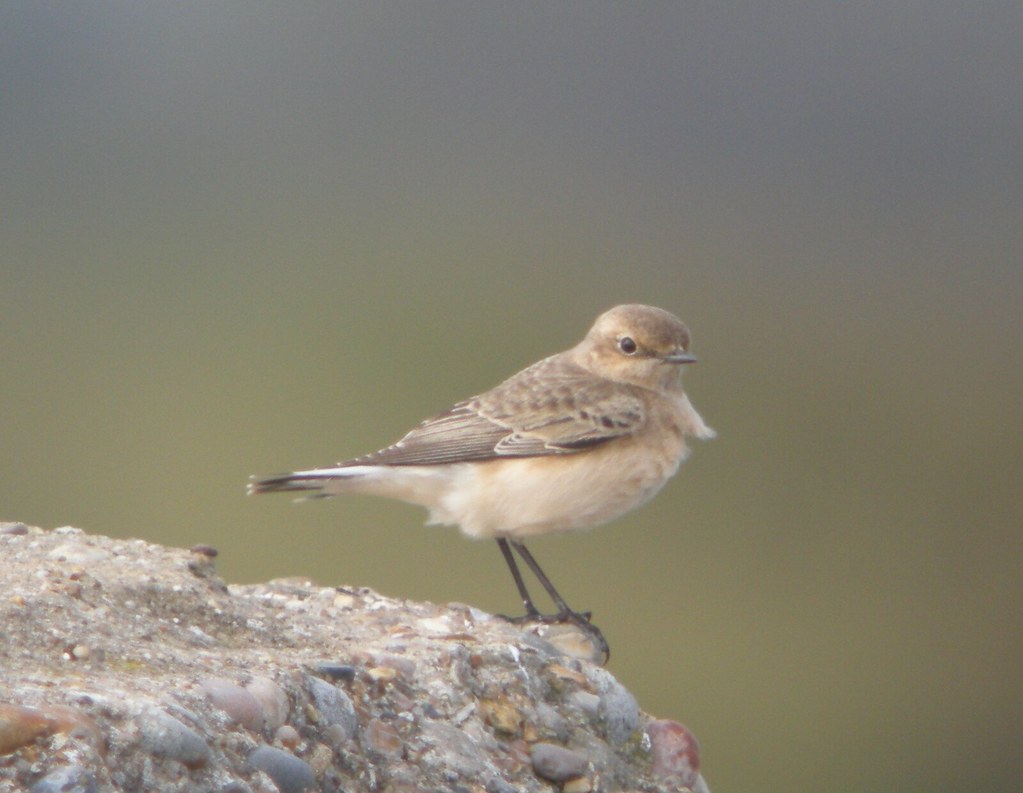
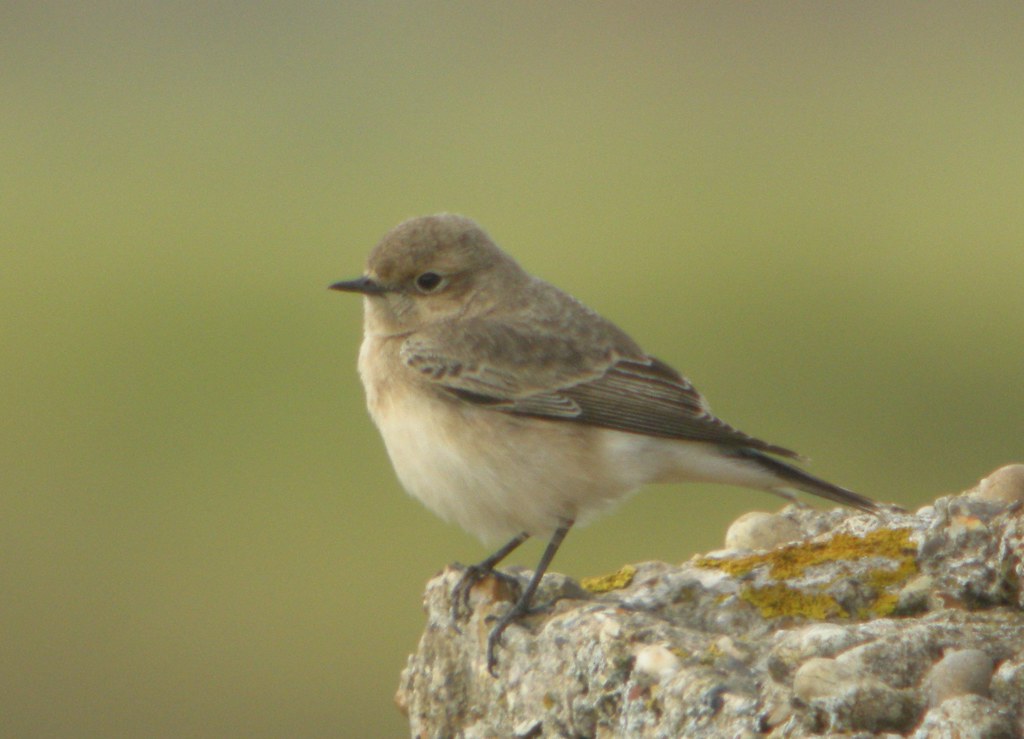
15 Oct 09 - Pied Wheatear, Horsey Gap, Norfolk
Dashed out for an extended lunch today for a quick twitch up to Horsey Gap to see the 1st-winter male Pied Wheatear sat on the pillbox just south of the NT car park. The bird called quite often, a soft "chit", similar to a Stonechat, but without the hard 'tacking' property. It often flew in the air and hovered a-la Eurasian Skylark and this enabled viewers to see the sooty underwing and characteristic tail pattern.
The bird was really co-operative and sat on the pillbox at close range for extended periods. Unfortunately, the same could not be said for the Paddyfield Warbler at Snettisham. After sitting on news of it for 6 hour, word finally got out but the bird had gone. Thanks guys - not!
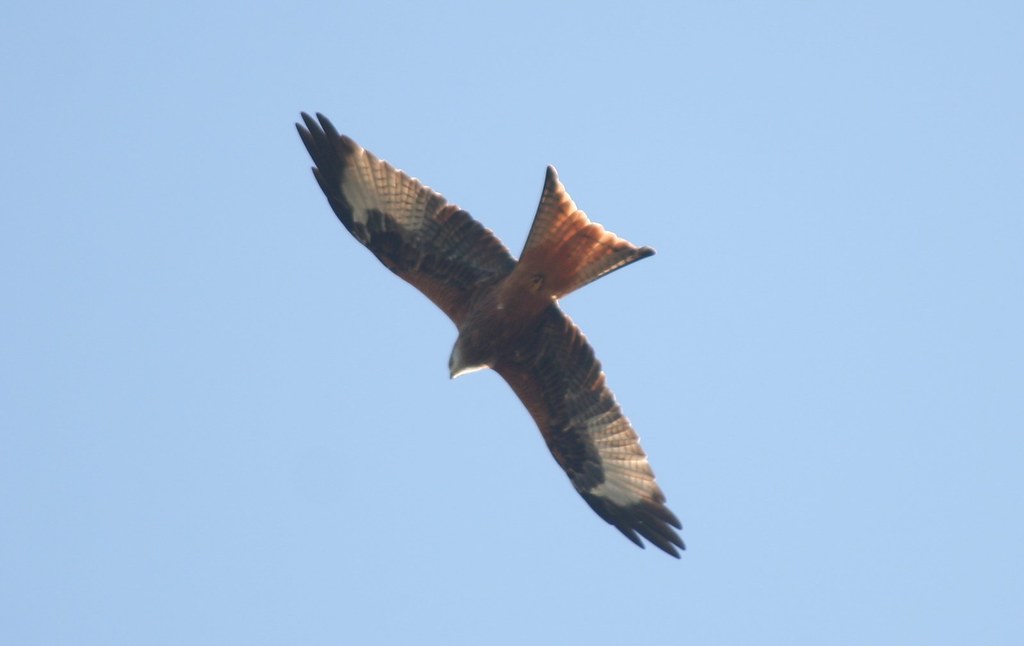
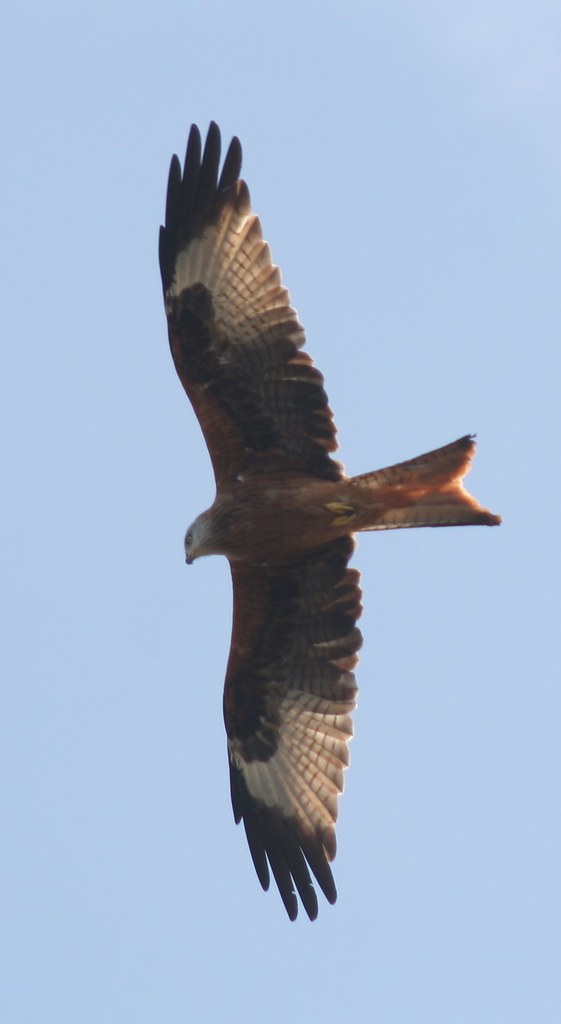
13 Oct 09 - Raptors in Oxon
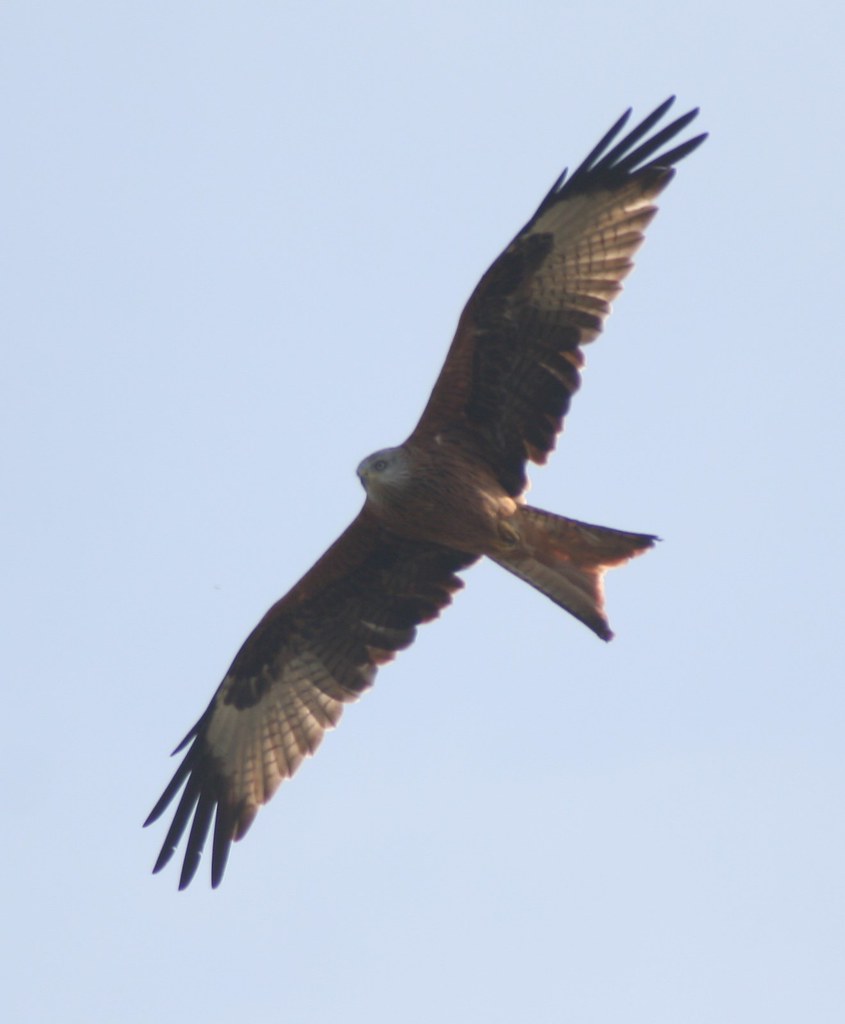
Whilst driving around Oxfordshire looking for gulls, there was a number of photo opps for raptors, particularly a nice perched-up Common Buzzard and numerous Red Kites.
Here's a selection....
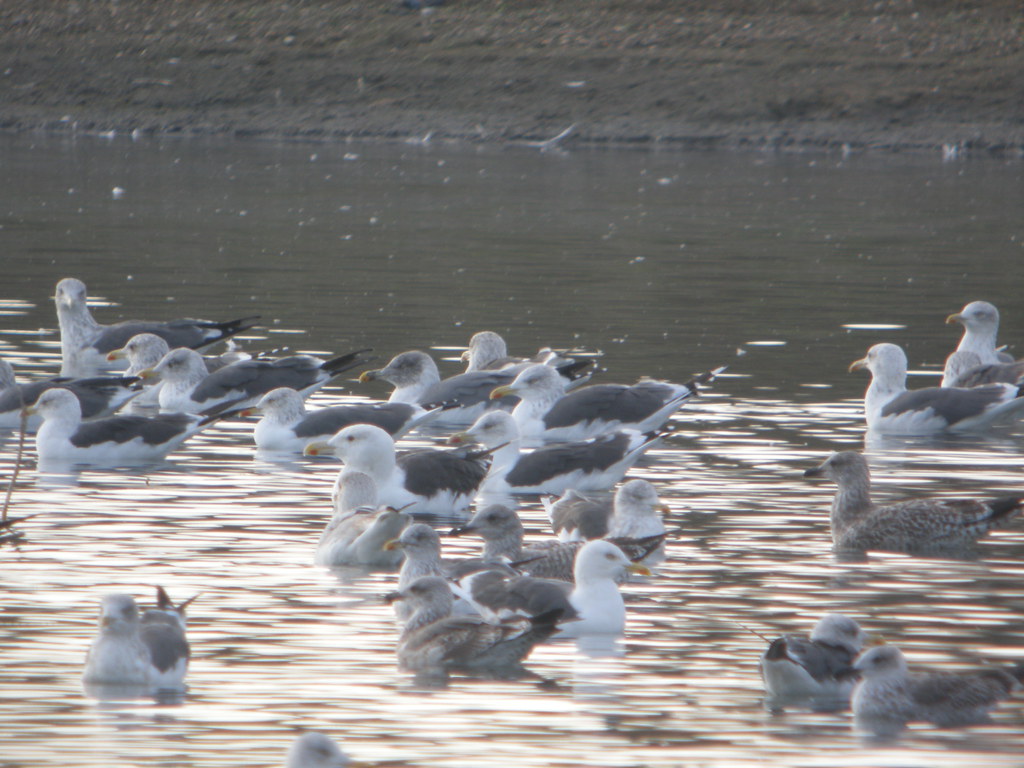
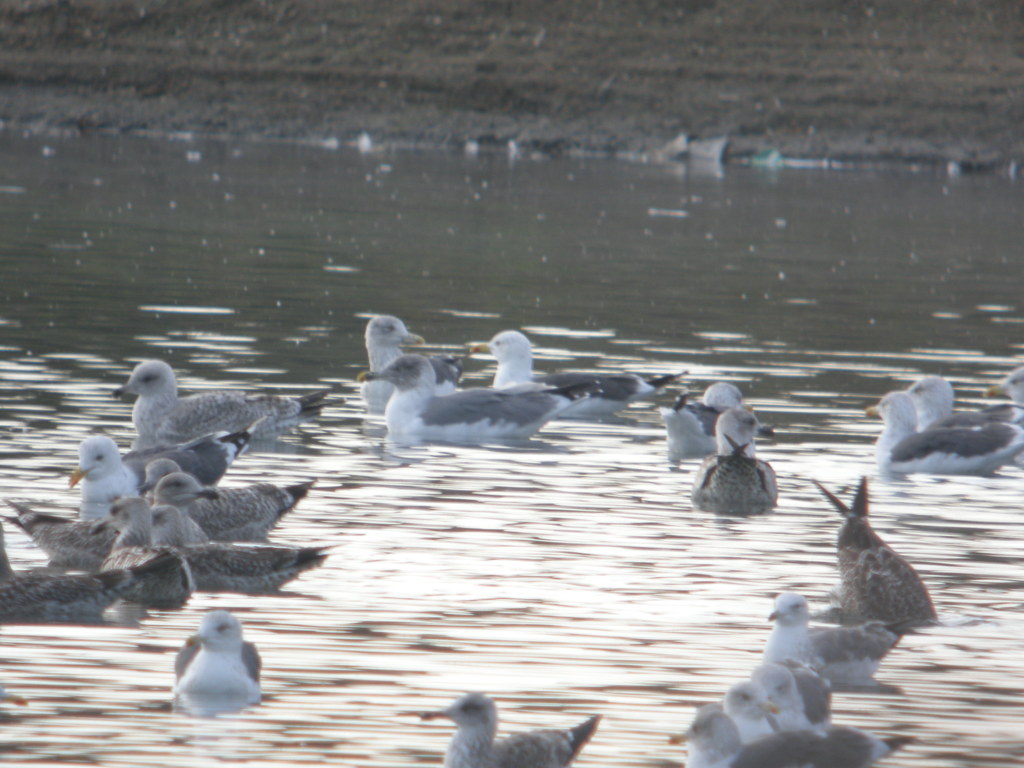
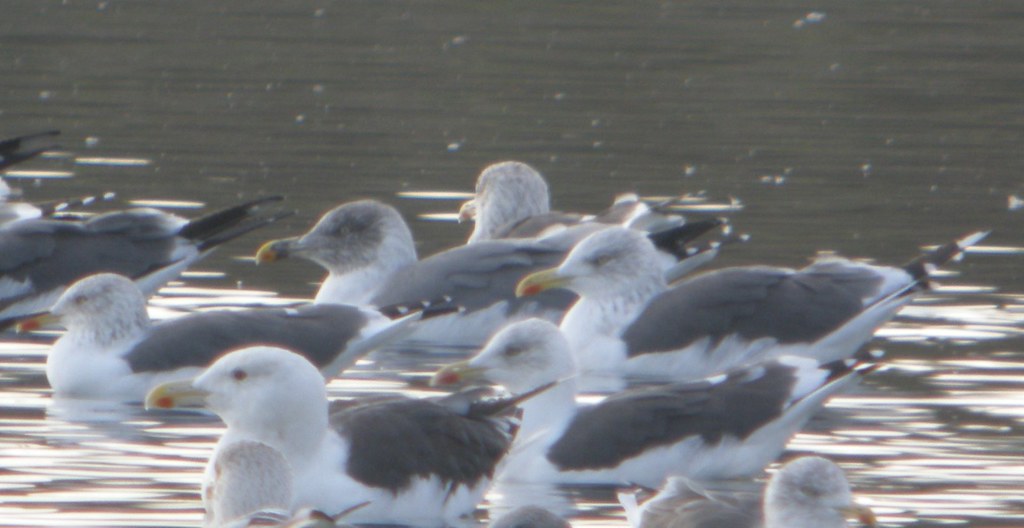
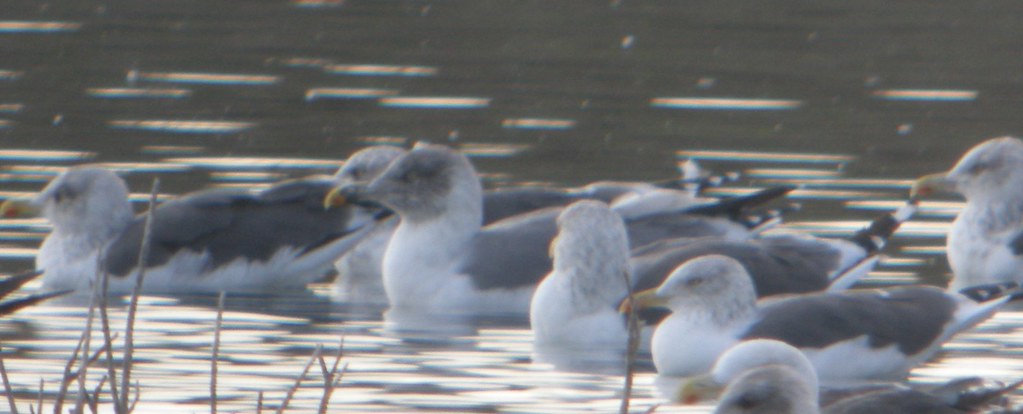
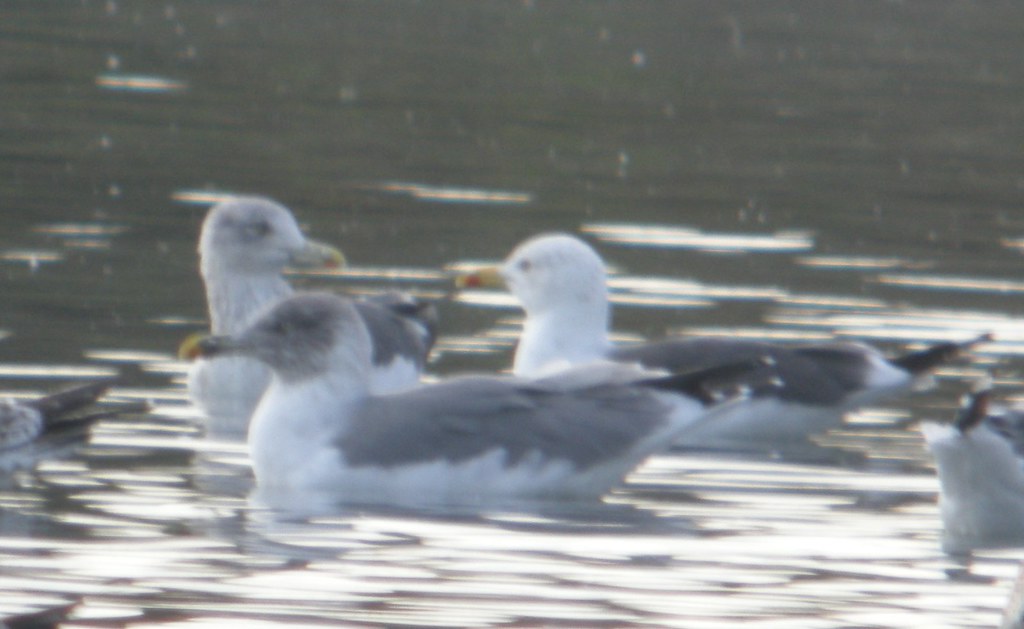
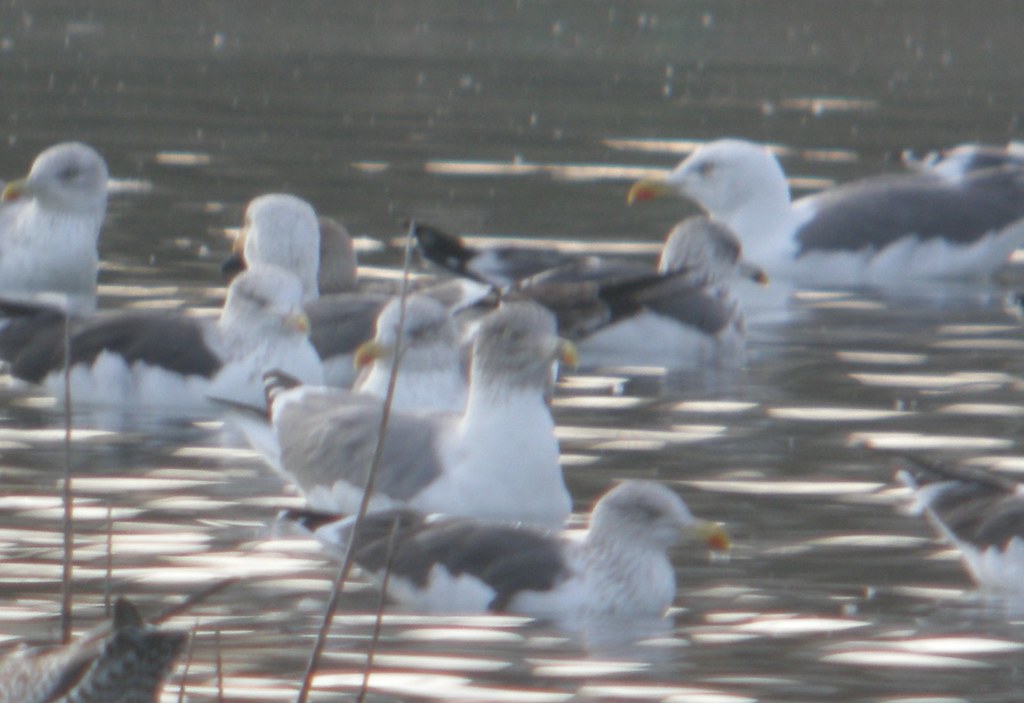
13 Oct 09 - Azorean Yellow-legged Gull in Oxon
13 Oct 09 - Brown Shrike in London
OK, I know most* people will say that Staines is in Surrey, or Middlesex or somewhere like that, but as far as I'm concerned, if it's inside the M25 - it's in London.
*southerners
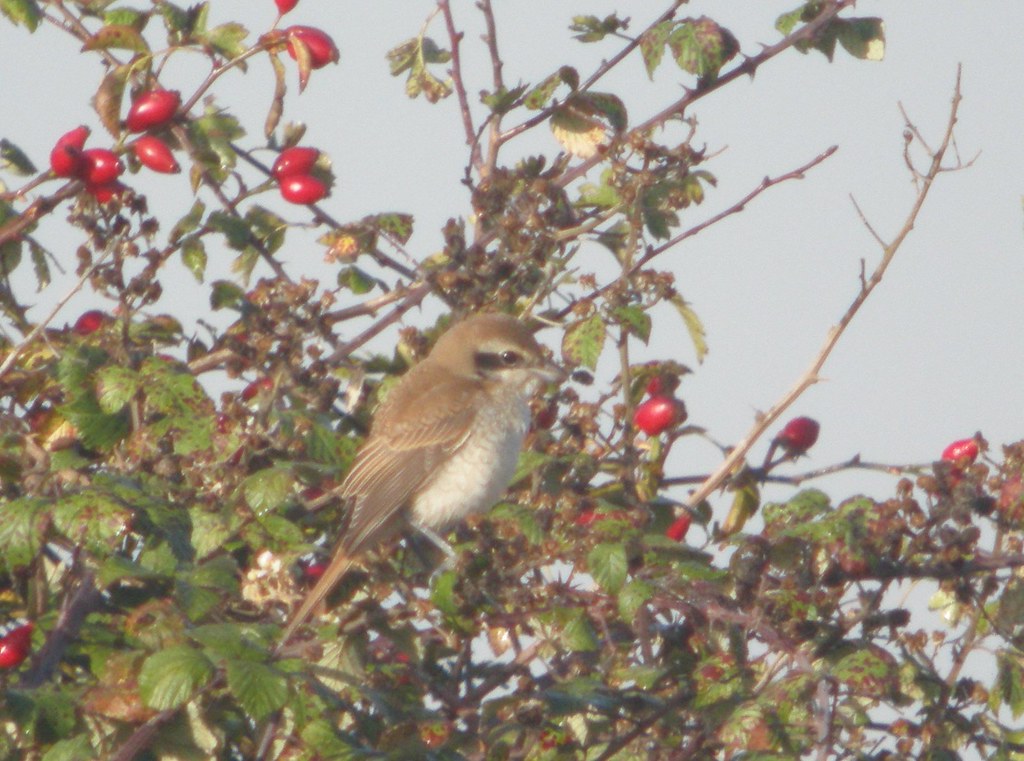
After not having time to go to Flanelborough last autumn and not bothering with Marcus Lawson's 'Red-backed Shrike' on Bryher those many moons ago, it was great to finally catch up with Brown Shrike. I've only seen adults in Asia, so it was nice to see a first-winter so well.
There are a number of features which identifies the bird as Brown. The black mask with flaring white supercillium, the very short primary projection, the round head and round body, giving it a rather rotund appearance, the quite long, but more importantly, thin tail with the outer-tail feathers being about 2/3 the length of the longest tail feathers, the plain looking tertials and the fairly unmarked flanks.
Subscribe to:
Posts (Atom)