Wednesday, 11 May 2011

Central Park, Manhattan, NY – 10 May 2011.


I was wide awake by 5am, so I headed off to Syosett station and got the train/subway to 72nd street and headed into Central Park with coffee and bagel in hand. The first thing that struck me was the amount of birders there. I’d expected to see only a few people out birding, after all it was a work day, so I wasn’t really prepared for the large groups of birders that thronged through the park. I started off around Strawberry Fields before heading off towards The Lake and then over to the Ramble.
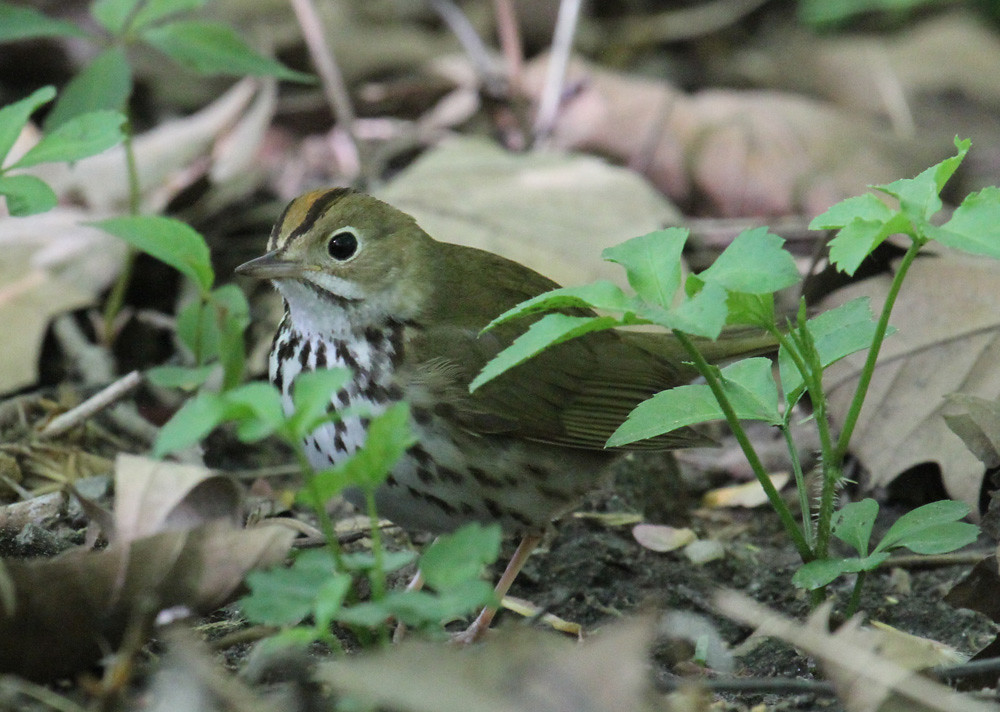
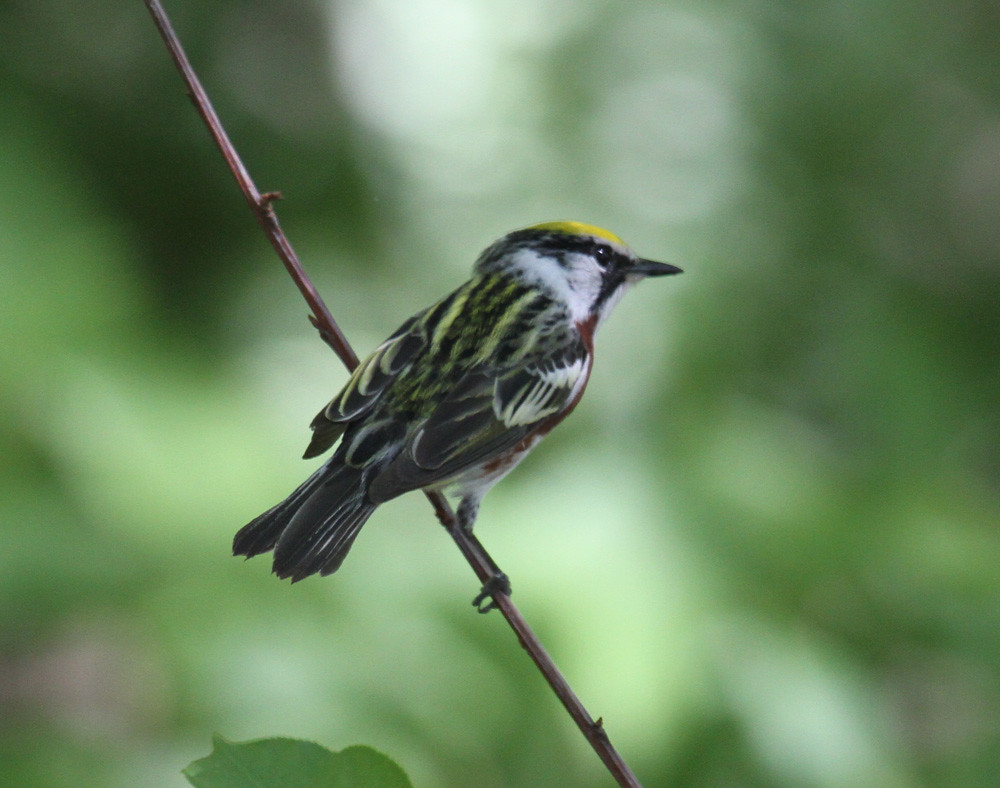
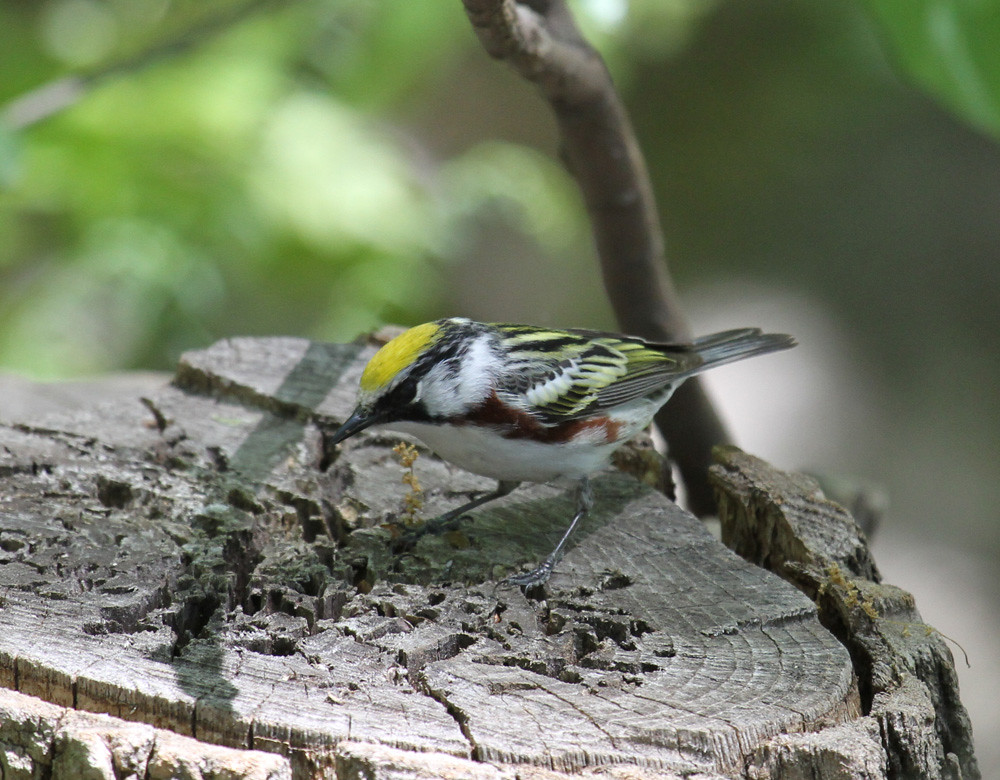
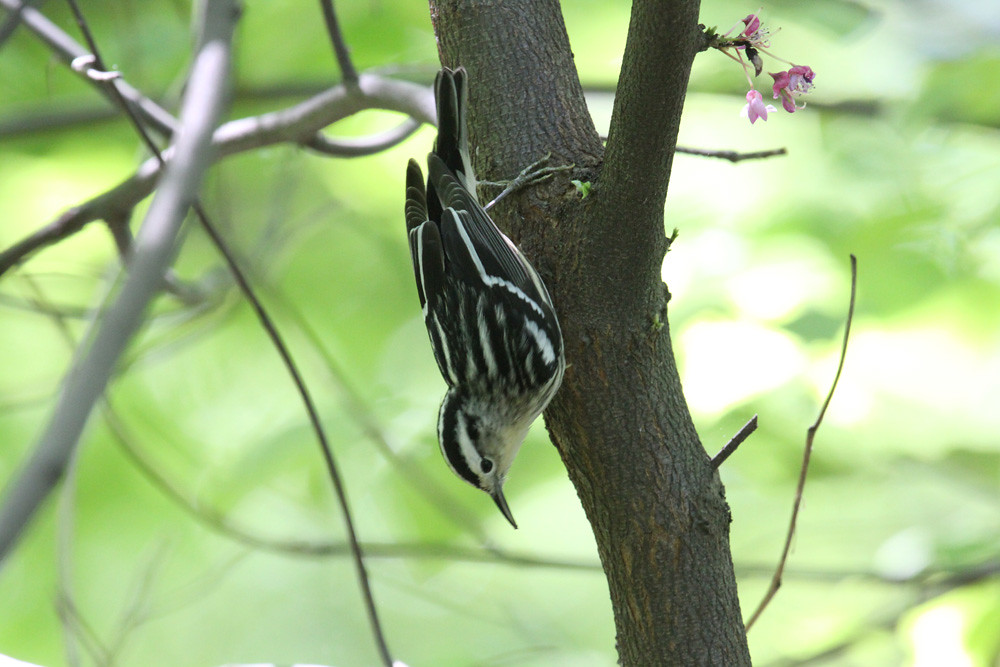
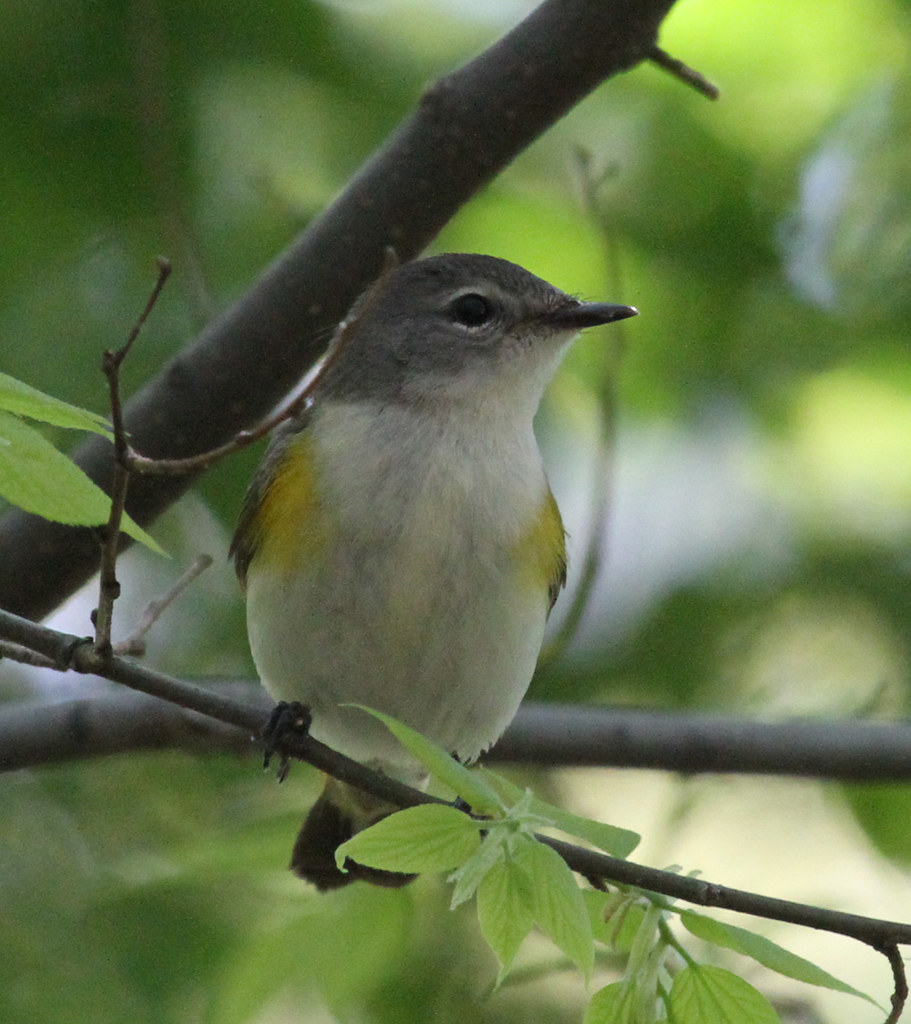
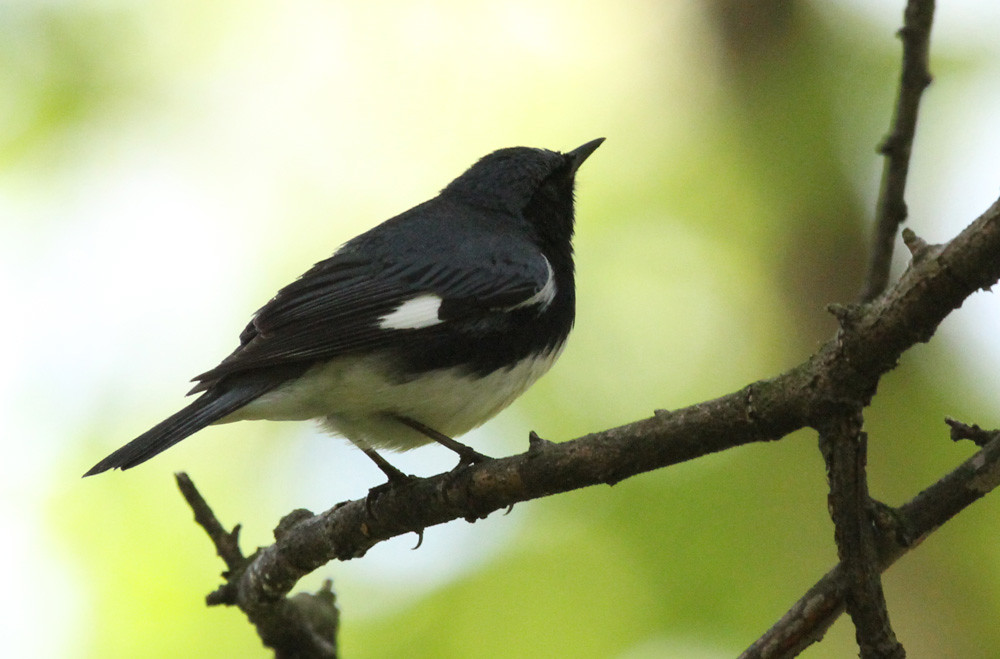
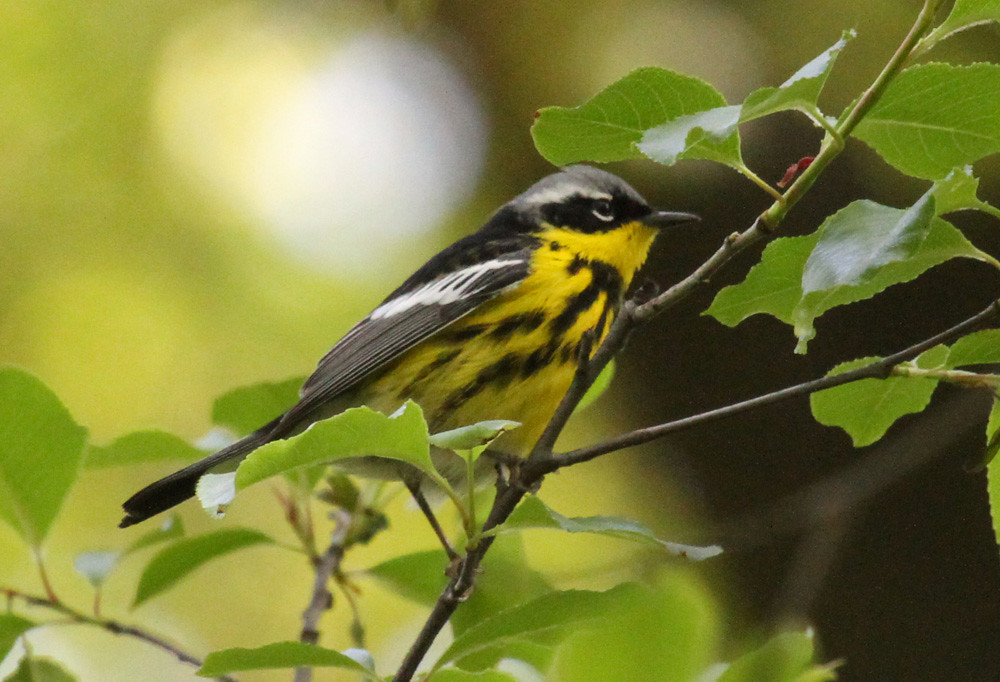
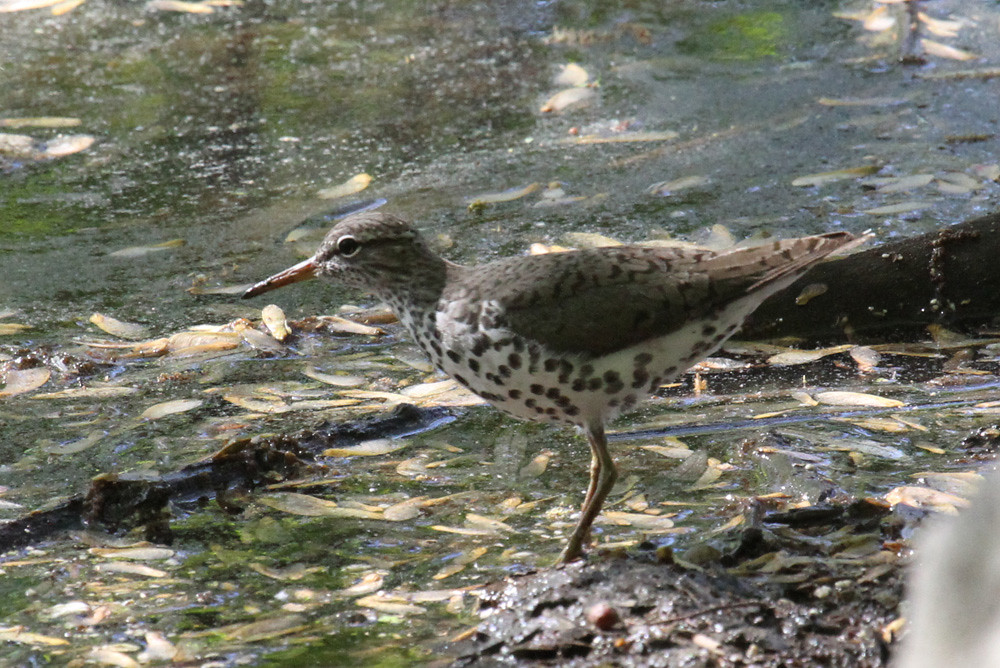
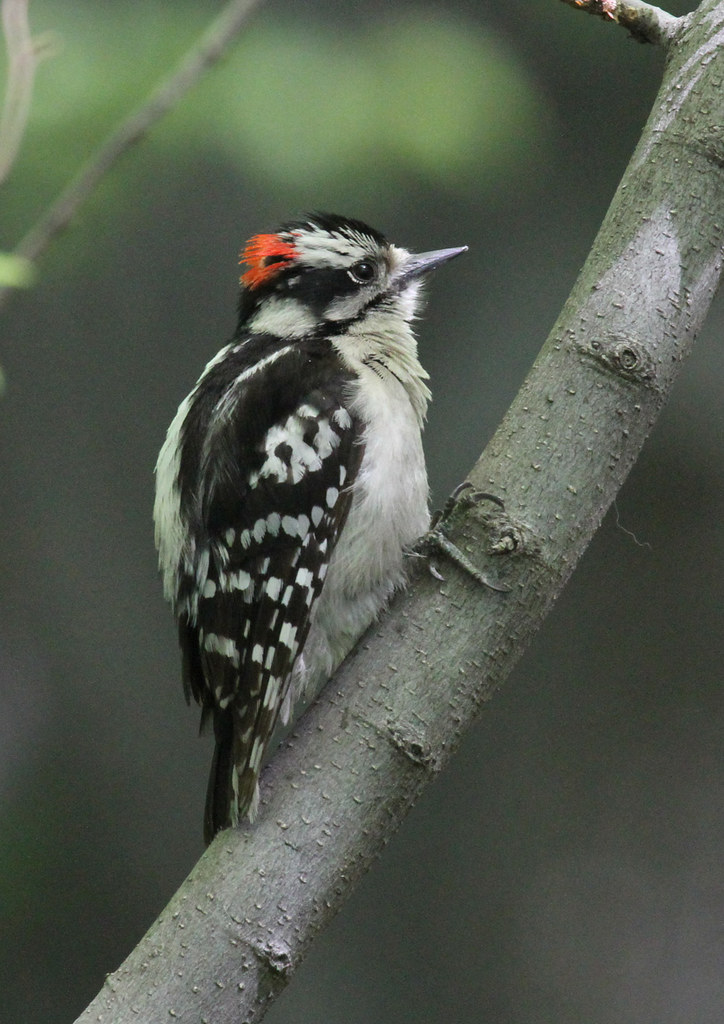
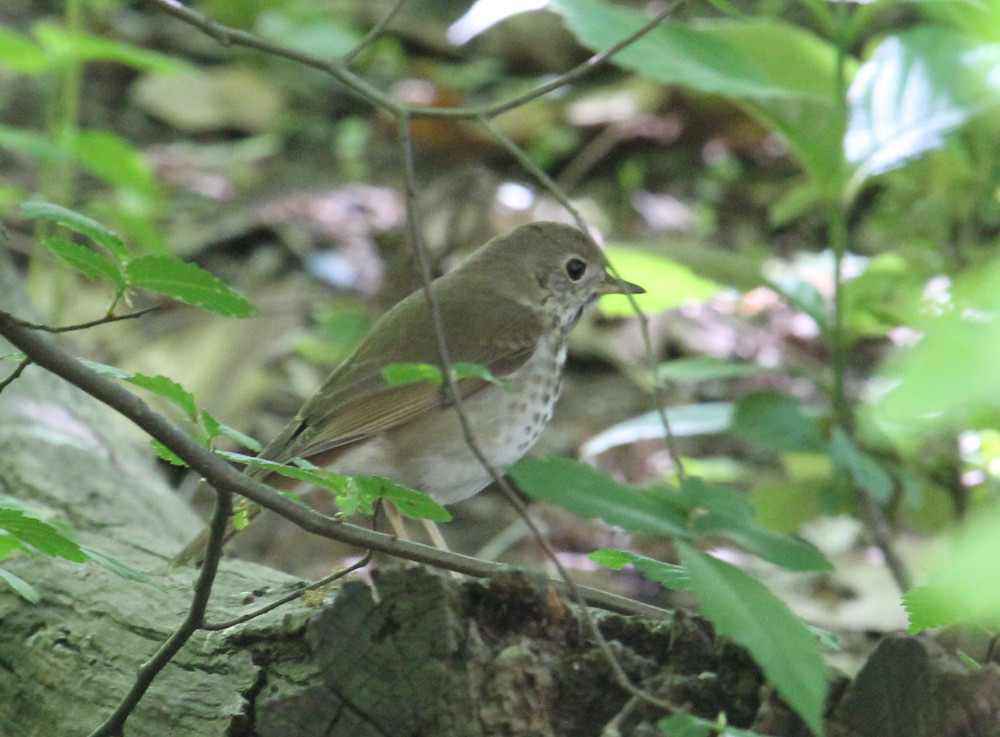
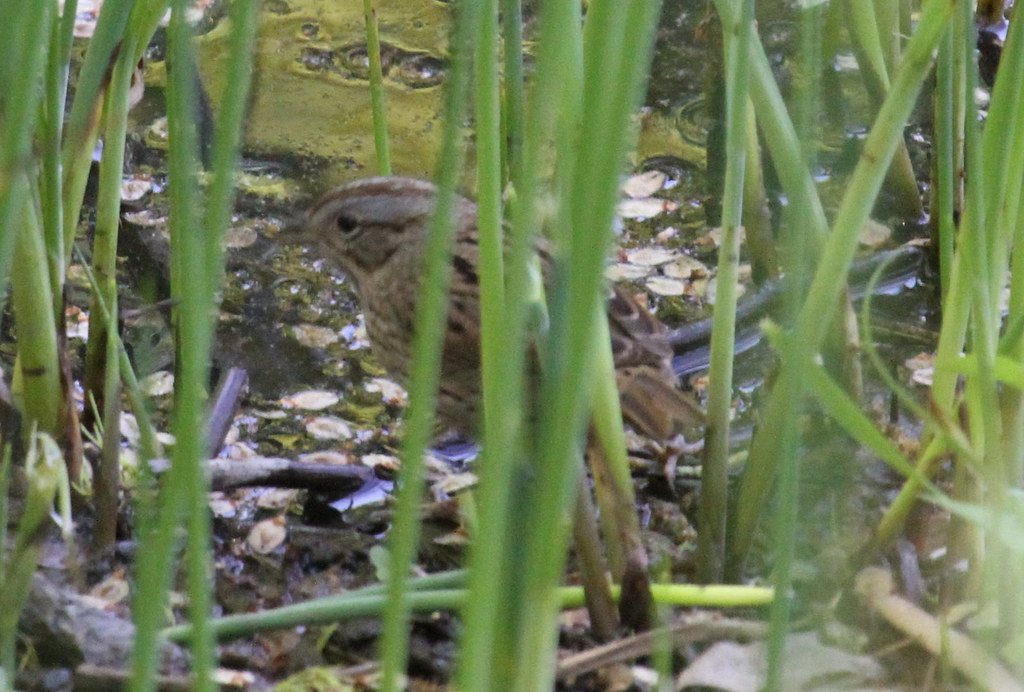
 There was lots of stuff to look at, especially for a visiting Brit like me. Magnolia, Black and White, Blackpoll, Yellow-rumped Warblers, Northern Parula, Ovenbird, American Redstart, Common Yellowthroat, Blue-headed Vireo, Eastern Towhee (which I thought would be common, but was the only one I saw) Rose-breasted Grosbeak, and Baltimore Oriole were seen around Strawberry Fields. After failing to see the Cape May Warbler which was reported in this area I headed off to the lake and walked along the shoreline from the small gazebo. Prairie Warbler was the best bird in this area, but I also saw my first of many Black-throated Blue Warblers and also Ruby-crowned Kinglet. Then if was off to the Bow Bridge and into The Ramble where I spent the next 5 hours. The Ramble was great! Lots of songbirds in some great habitat. The Oven, The Point and The Boathouse were the best area. Chestnut-sided and Wilson’s Warbler, Northern Waterthrush were the remaining warblers to be added onto my list. The Chestnut-sided was feeding on what looked like termite larva in a chopped tree stump at the head of the Oven. The other good bird was a Lincoln’s Sparrow feeding just north of a small bridge half-way between the Bow Bridge and the Upper Lobe. A rather skulky Swainson’s Thrush was also seen nearby. The Azalea Ponds were nice. My first of two Ruby-throated Hummingbirds (the other singing at Bow Bridge) was seen here along with plenty of warblers. The Point was one of the most productive areas, being very good for woodpeckers (Northern Flicker, Downy and Red-bellied Woodpecker) and warblers (Wilson’s, N. Parula, Black-throated Blue, Yellow-rumped, Magnolia, Black-and-White and Blackpoll). At the base of the point near the Boathouse, a Spotted Sandpiper fed with a Northern Waterthrush on the muddy patches around the sheltered shoreline. A number of White-eyed Vireos were singing throughout the Ramble and a Warbling Vireo was a nice addition to the list before I left.


Cold Spring Harbor, Long Island 9 May 2011


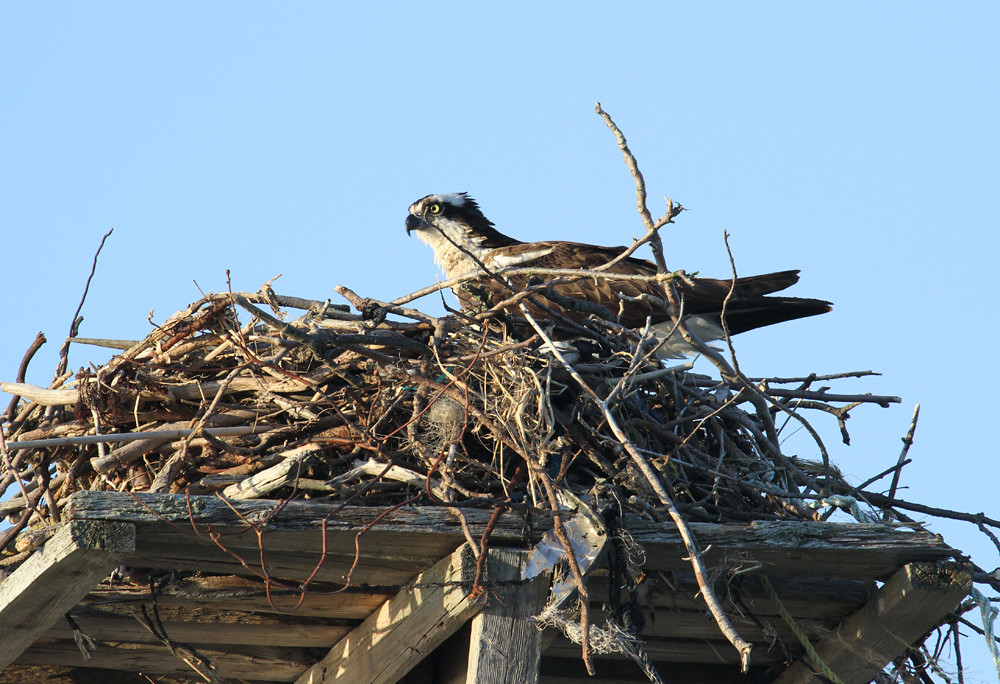
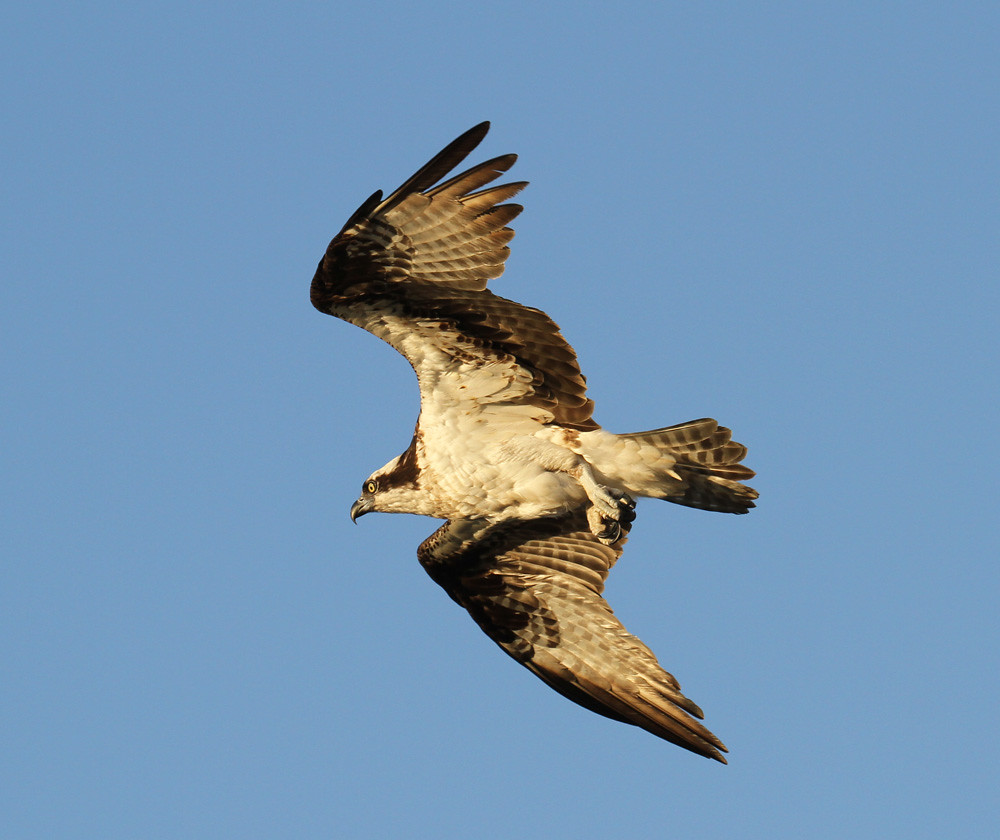
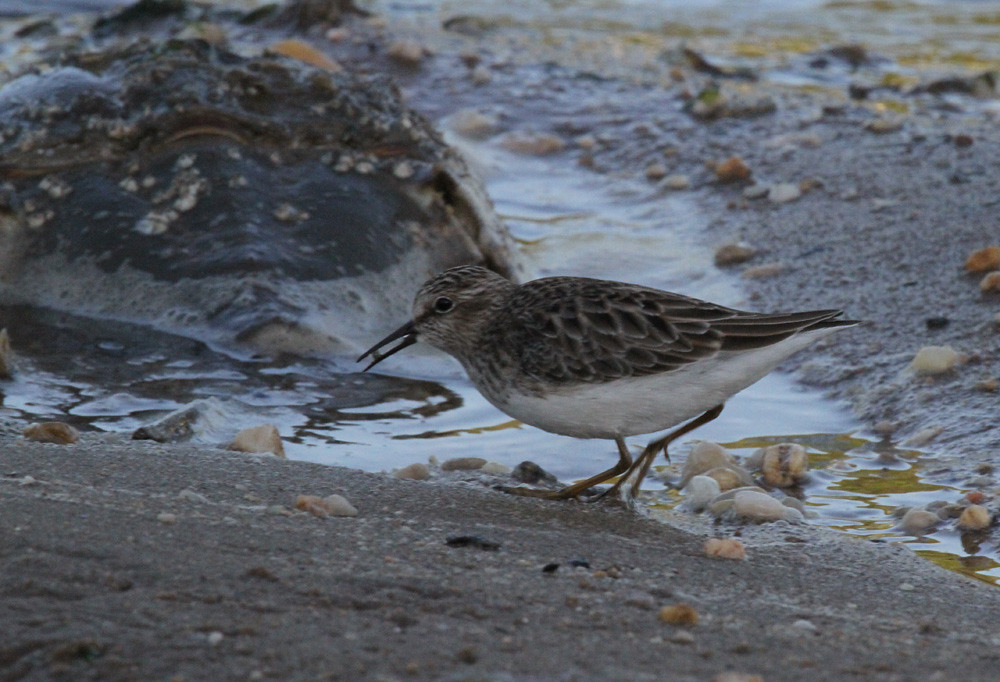
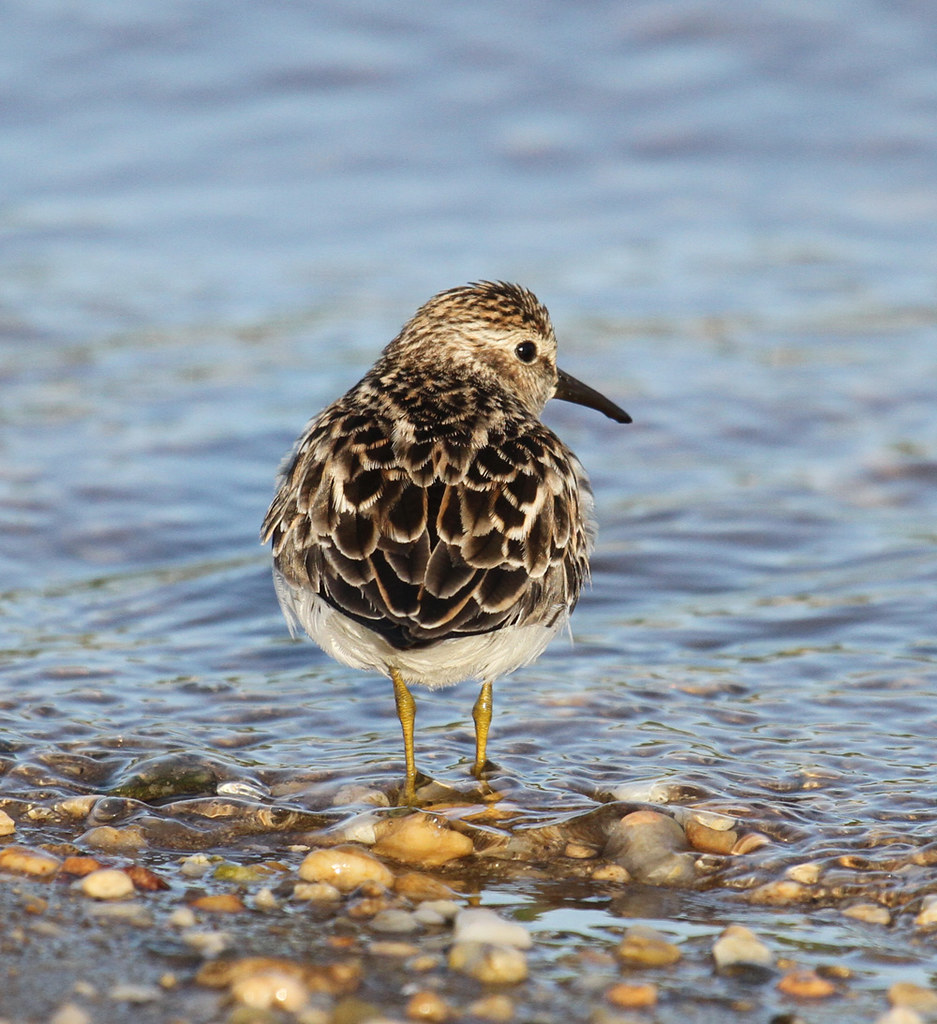
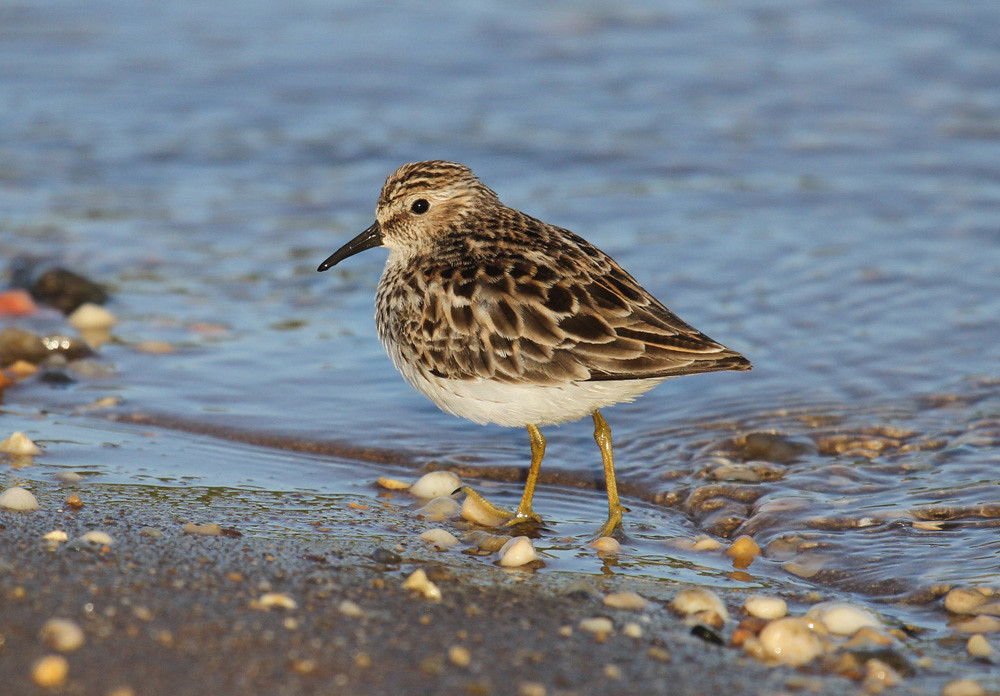
I arrived at the Cold Spring Harbour Laboratory (CSHL) this evening and went for a walk around campus and then headed out on the sandbar that separates the inner and outer harbours. The trees around campus held a few songbirds, mainly common stuff like American Robins, Grey Catbirds, Starlings, Common Grackles, etc, but there were a few birds that were nice to see. A pair of Yellow Warblers were my first Wood Warblers of my trip. Cedar Waxwings seem to be quite common on campus and a pair of Chipping Sparrows were nice to see. The sandbar had quite a few birds on it. About 50 Least Sandpipers were feeding on the eggs of mating Horseshoe Crabs and about 6 Greater Yellowlegs flew around nervously, never settling in the same place for very long. Lots of hirrundines were around the point; mainly Barn Swallows, but also quite a few Northern Rough-winged Swallows and a couple of Tree Swallows. There’s a pair of Ospreys nesting on a platform there too and provide good photo opportunities.


Top to bottom: Osprey (2), Least Sandpiper (3), Great Egret.

Monday, 2 May 2011

Finally, something to blog about - 2 May 11 East Norfolk

OK, I have been quite lazy and not blogged about much lately, but I had plenty of birds today, plus some nice photos so thought I'd post something about them.
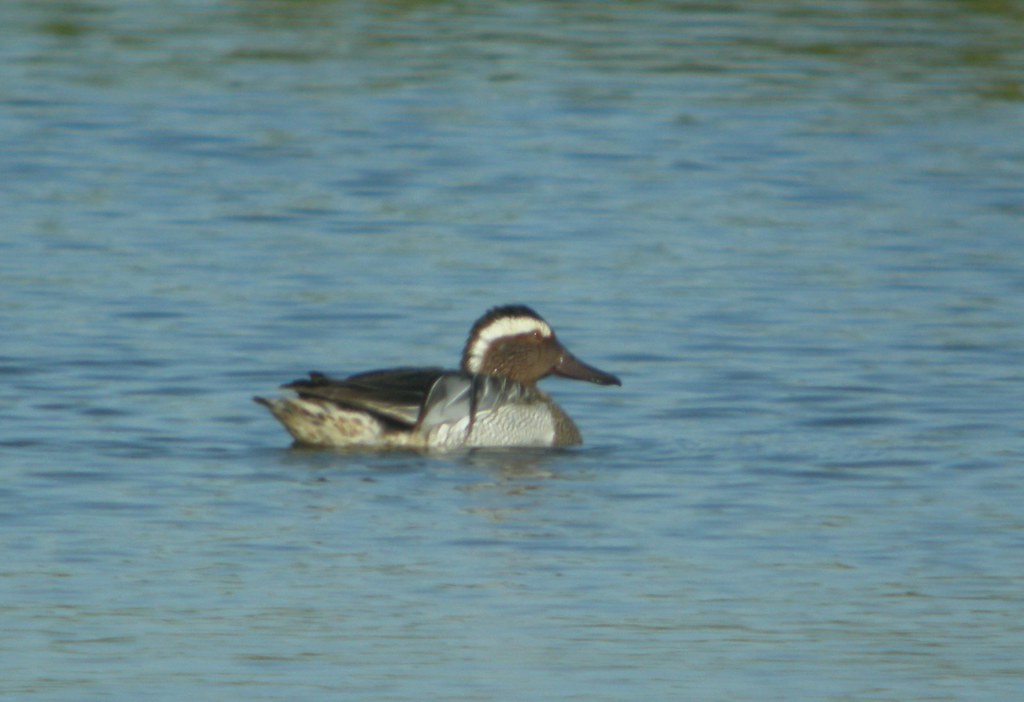
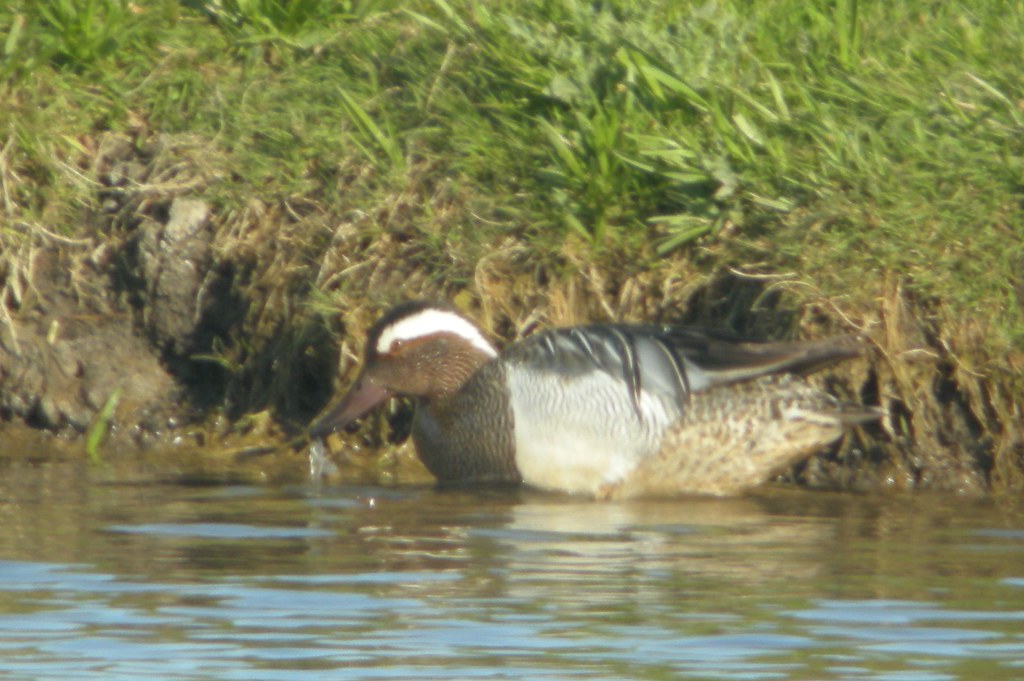
I started out at a new site that I've discovered next to the River Bure. The best birds were a pair of Garganey that showed nicely on the edge of the scrape. The pair of Little Ringed Plovers were still present from my previous visit as was Common Sand and Bar-tailed Godwit. Still a few Tufted Duck and Pochard hanging around and the number of Common Terns loafing along the banks had increased to 6.
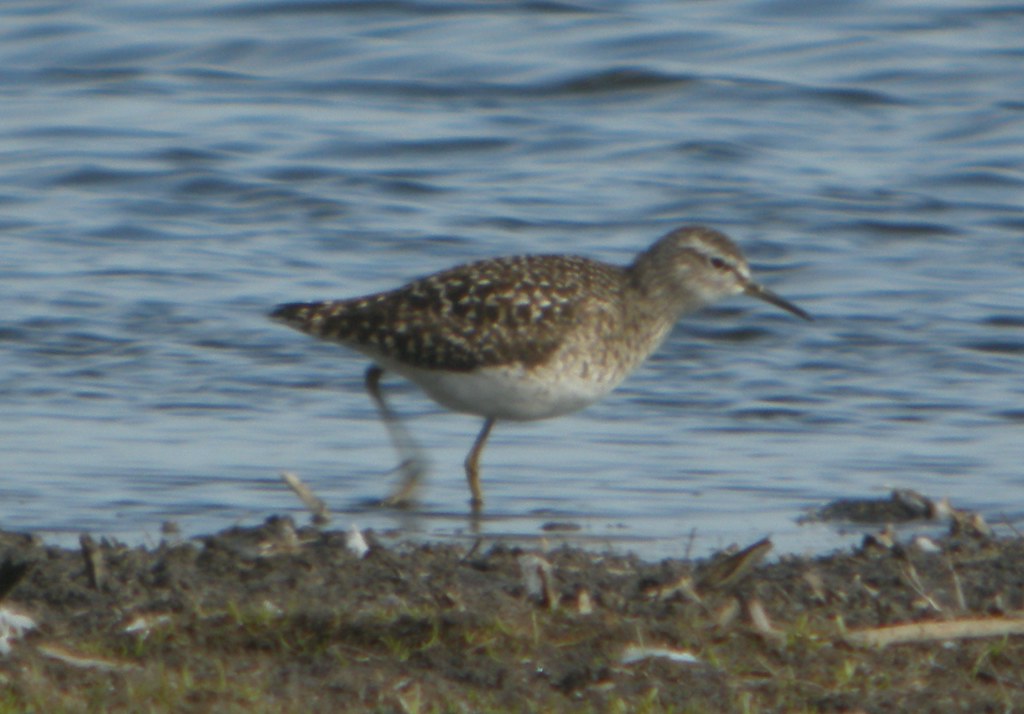
Next was a trip to Rush Hills Scrape which had plenty of birds on it. Top of the list was at least 3 Wood Sands, followed closely by a pair of summer-plumaged Spotted Redshanks. 6 Greenshank, Common Sand, Grey Plover and a small group of Common Teal gave a nice selection of birds to look through.
The visit was topped off by a nice female Ring Ouzel from the footpath between the church and the wood. It was pretty skitish though and ended up in the hedge at the back of the field.
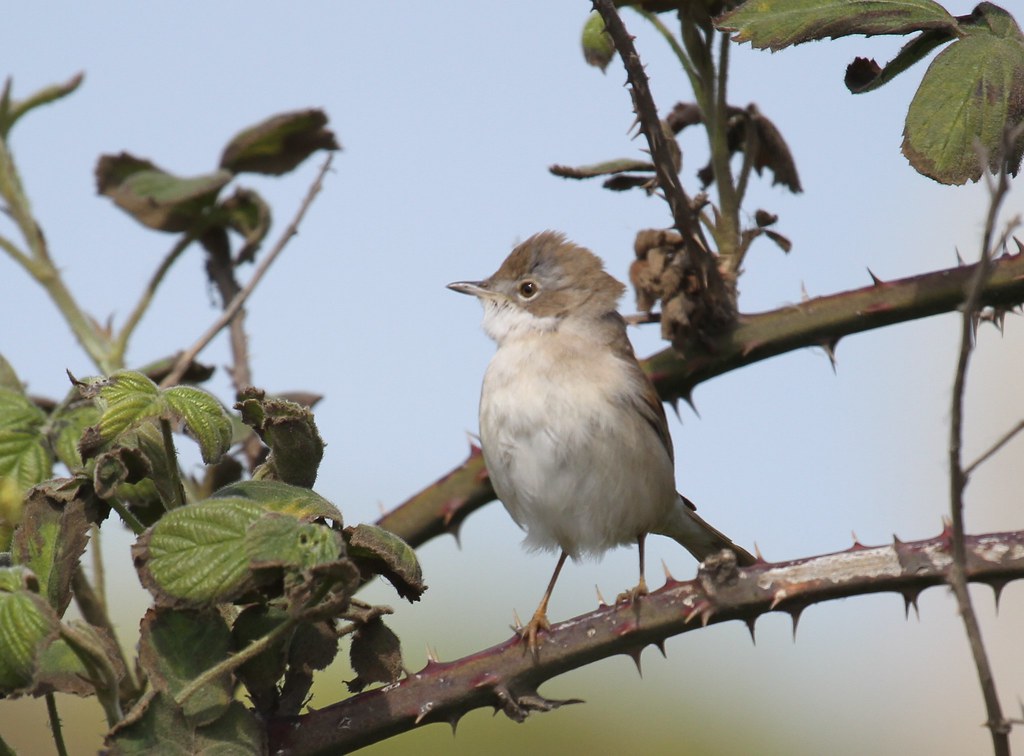
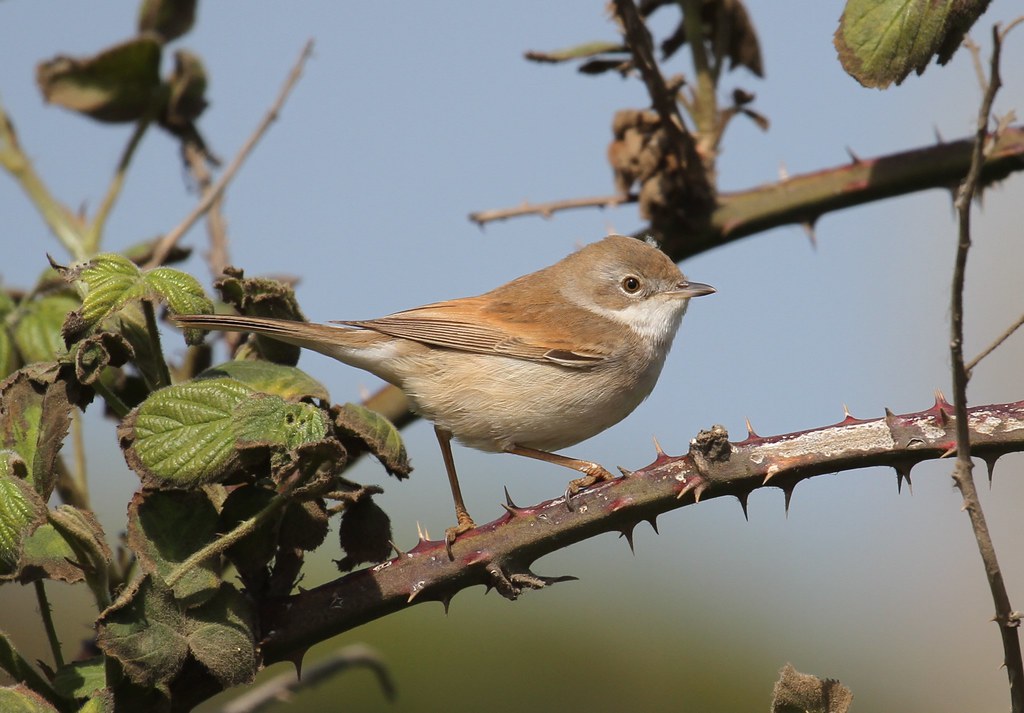
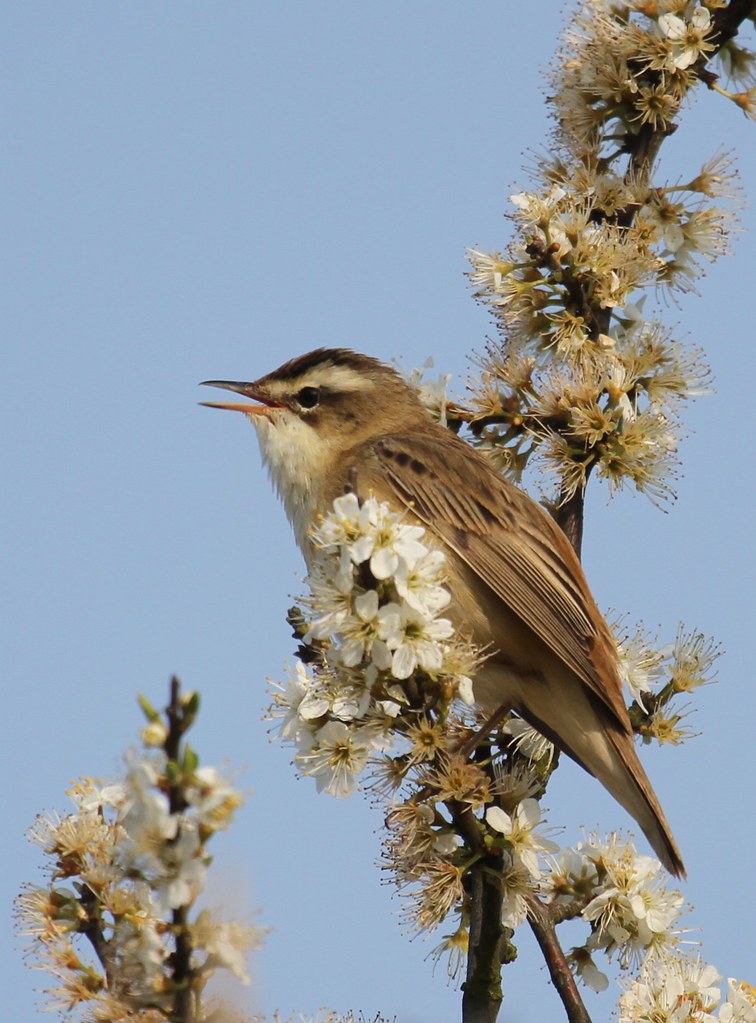
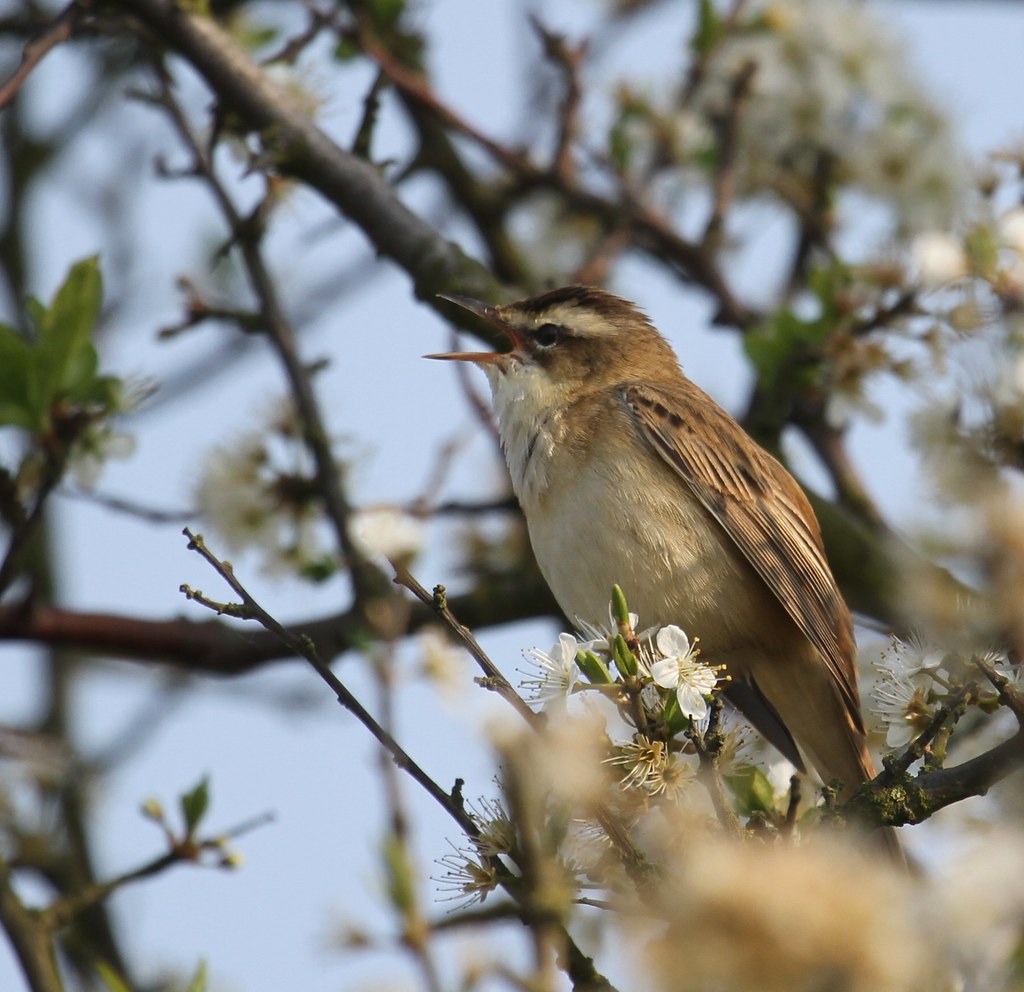
I finished off with a trip to Waxham, but the wind was quite strong and getting onto stuff in the bushes was pretty difficult. Lots of Whitethroats and a nice Sedge Warbler singing from a blooming Hawthorn made some nice photo opportunities though.


Wednesday, 12 January 2011

Grip eraser

Getting pissed-off with birders harping on about rares that you didn't see? Your local bird club members gripping you off with the Gyr Falcon that you missed last weekend? Fear not! New Grip Eraser will make all of them disappear. Simply wipe Grip Eraser on the guilty bragger and watch them quickly disappear.
Sent from my BlackBerry® wireless device

Monday, 10 January 2011

Weekend in North Norfolk

I had some birding friends visiting this weekend - Dave Foster from Whitburn and Richard Crossley from Cape May were in North Norfolk, so I spent the weekend on the coast birding with Dave and Mark Golley, but not managing to catch up with Richard. The weather started off quite wet and overcast on Saturday morning, but this soon passed and the rest of the weekend was lovely clear skies, albeit with a rather bone-chilling wind.
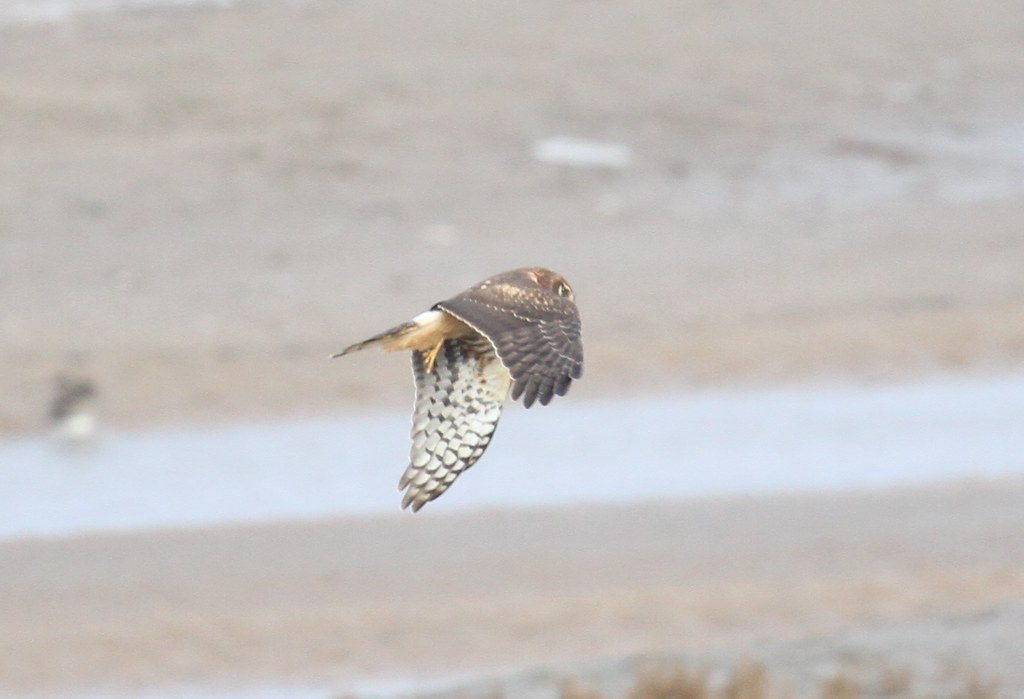
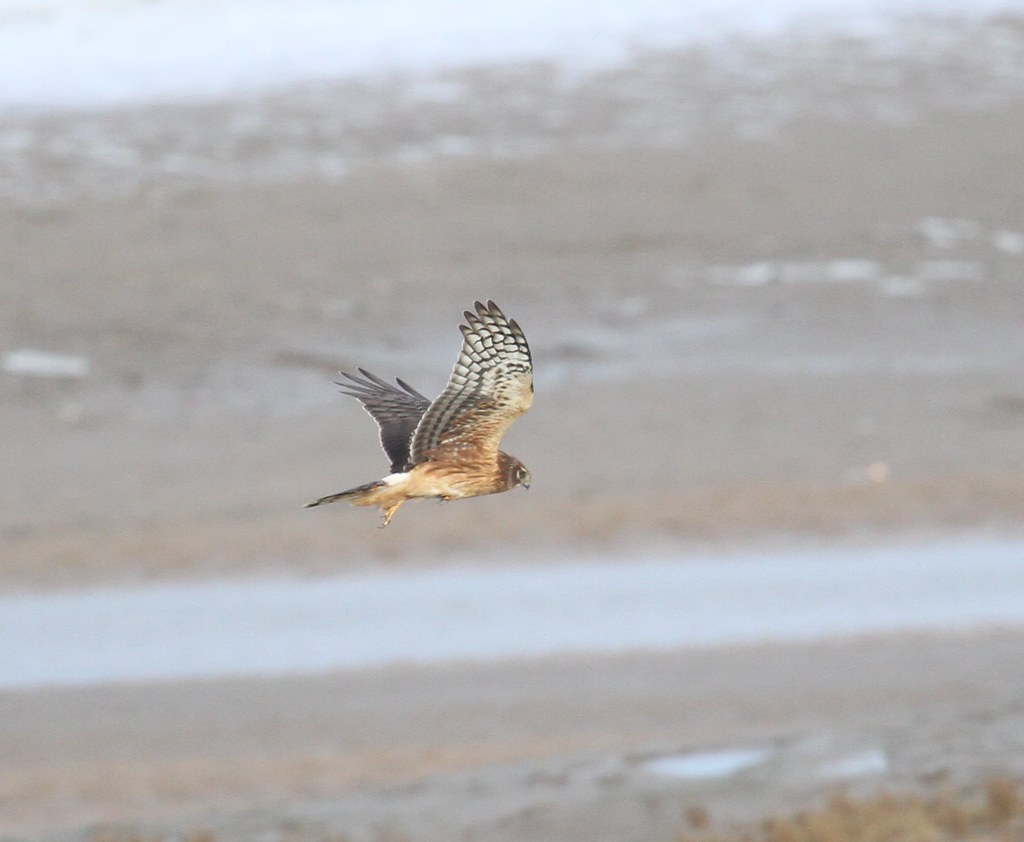
There were loads of birds around, mainly waterfowl and seabirds, but also some decent non-waterbirds. The Northern Harrier continued its stay in the Thornham area, but only being seen in the couple of hours after sunrise and before sunset, spending the rest of the time in various sites east of Thornham. A couple of ringtail Hen Harriers in the area provided a good comparison. Titchwell had quite a hoard of birds on it over the weekend. The freshmarsh was host to an imm. Greater Scaup, whilst 50+ Twite and 3 Water Pipits fed on the seeded areas of the brackish-marsh. The sea and beach were the highlight though. 9 Shorelark fed just inside the dunes, whilst at sea 2000+ Common Scoter, 7+ Velvet Scoter, 3+ Red-necked Grebes, Slav Grebe, 4 Long-tailed Duck, juvenile Iceland Gull and a smattering of Common Eider and Red-breasted Mergansers made exciting viewing.
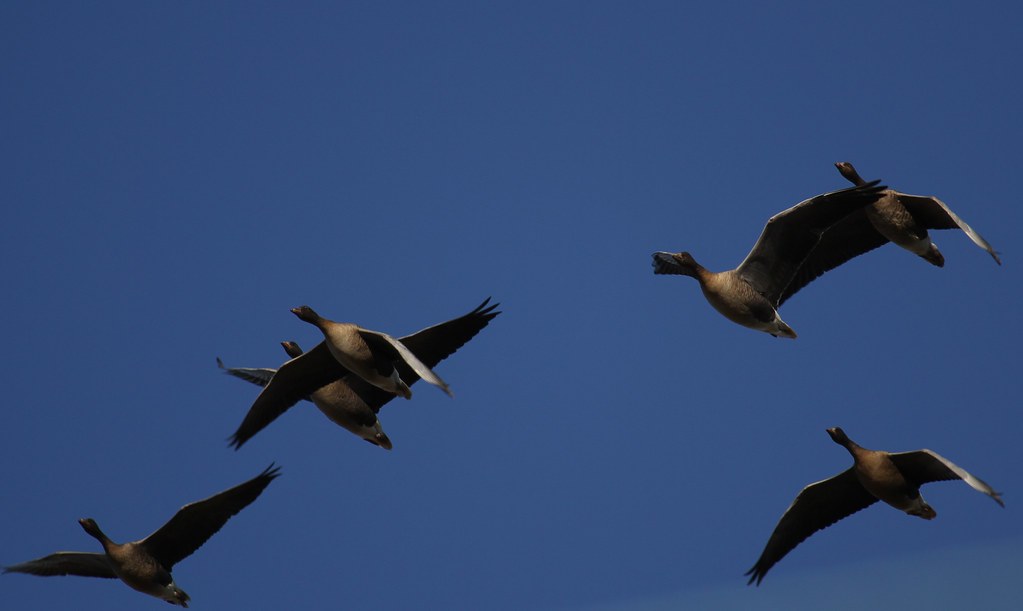
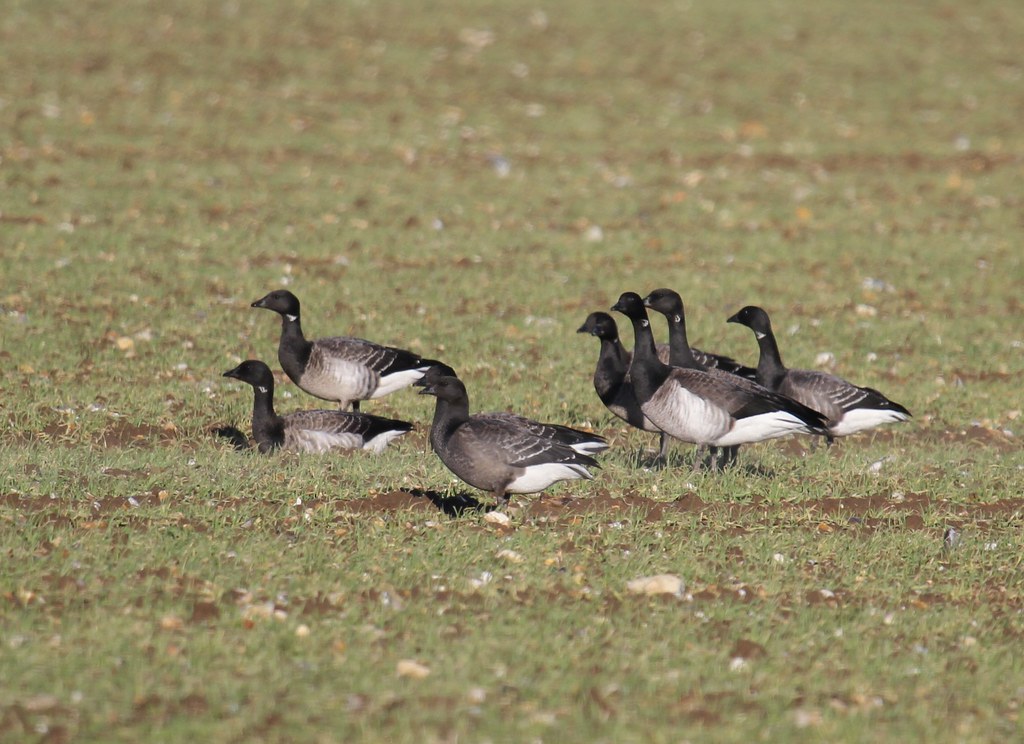
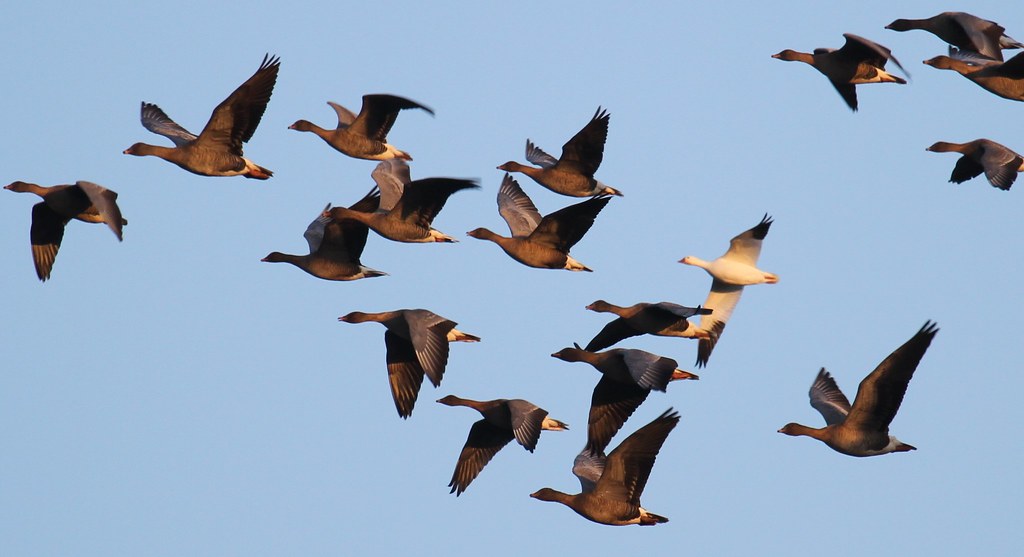
One of the Ross's Geese put on a nice flyby at Holkham with a spectacular flock of about 20,000 Pink-feet, whilst a juvenile Rough-legged Buzzard put in a nice aerial display. We also found 2 Tundra Bean Geese in a field next to Stiffkey Fen before they all upped and offed towards Blakeney and a nice flock of 12 Pale-belled Brent Geese with some Dark-bellieds showed close to the road at Crabbe Castle Farm, Whighton.

Cley Marshes was a bit quiet, but even that had a lovely drake American Wigeon.

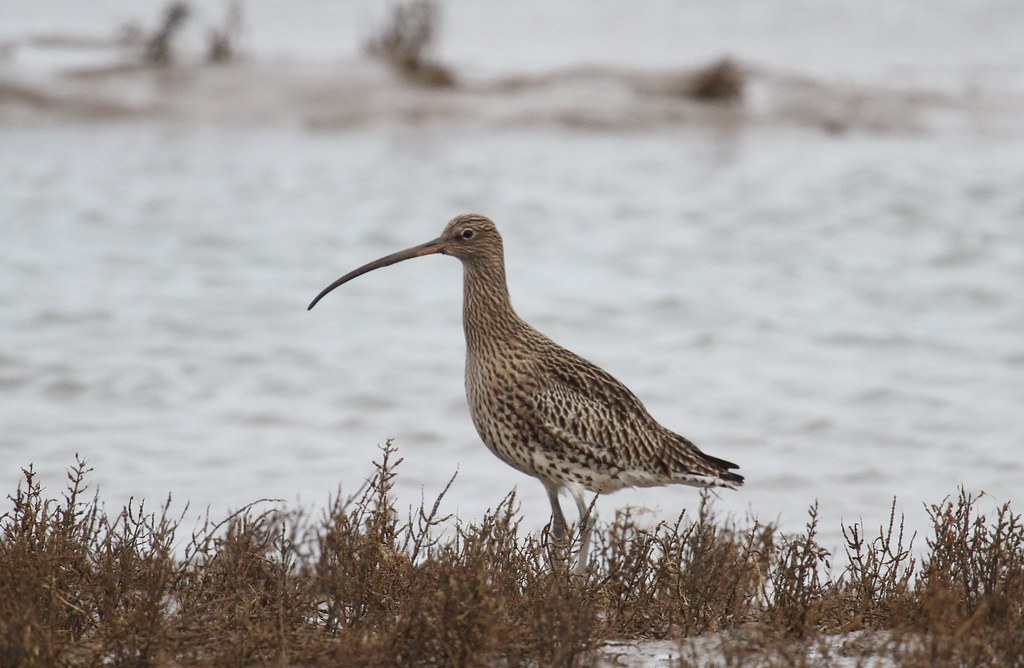
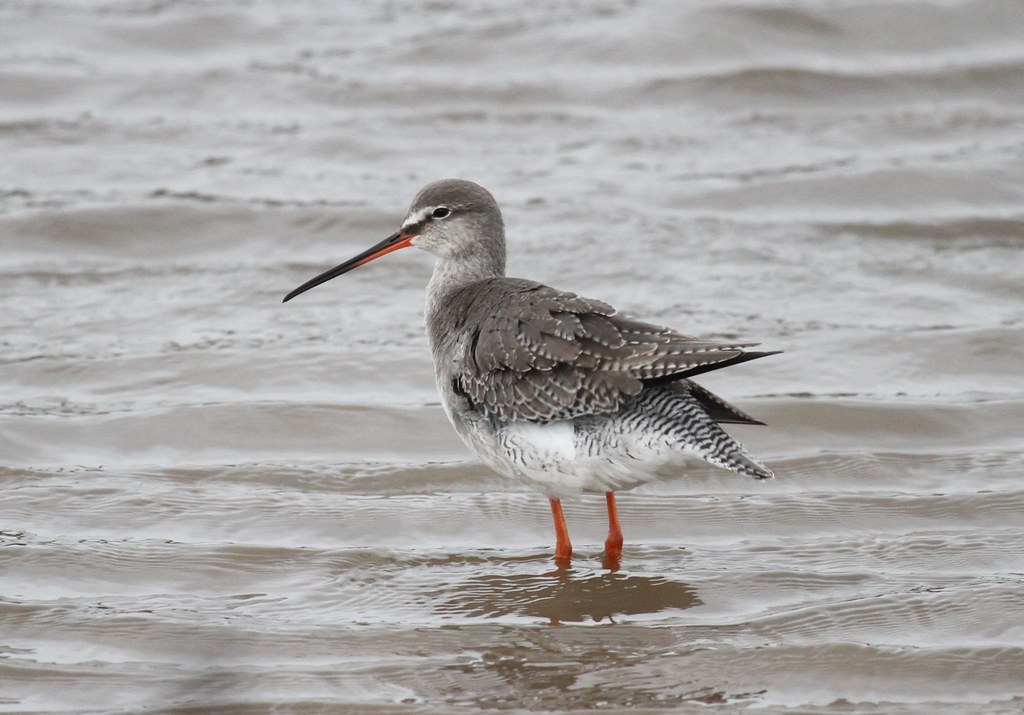
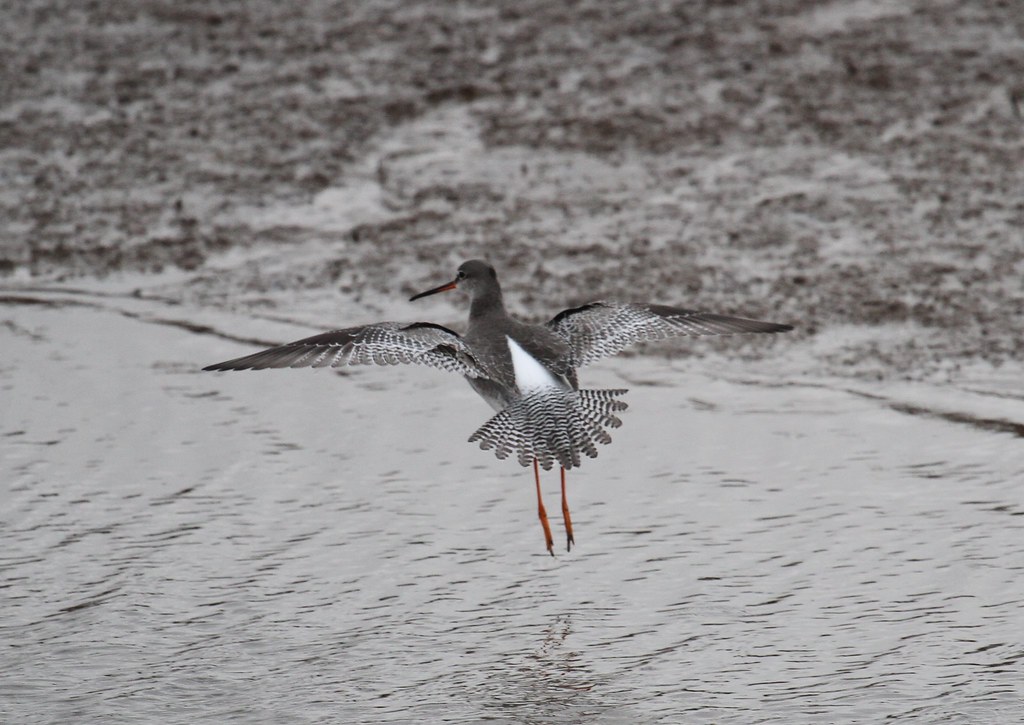
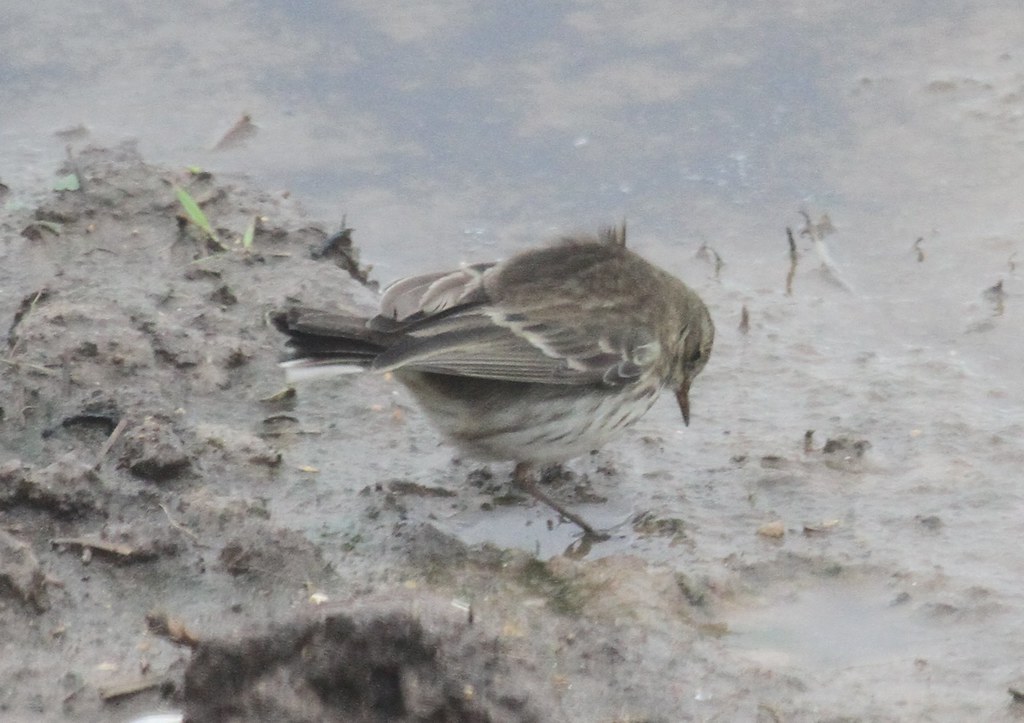
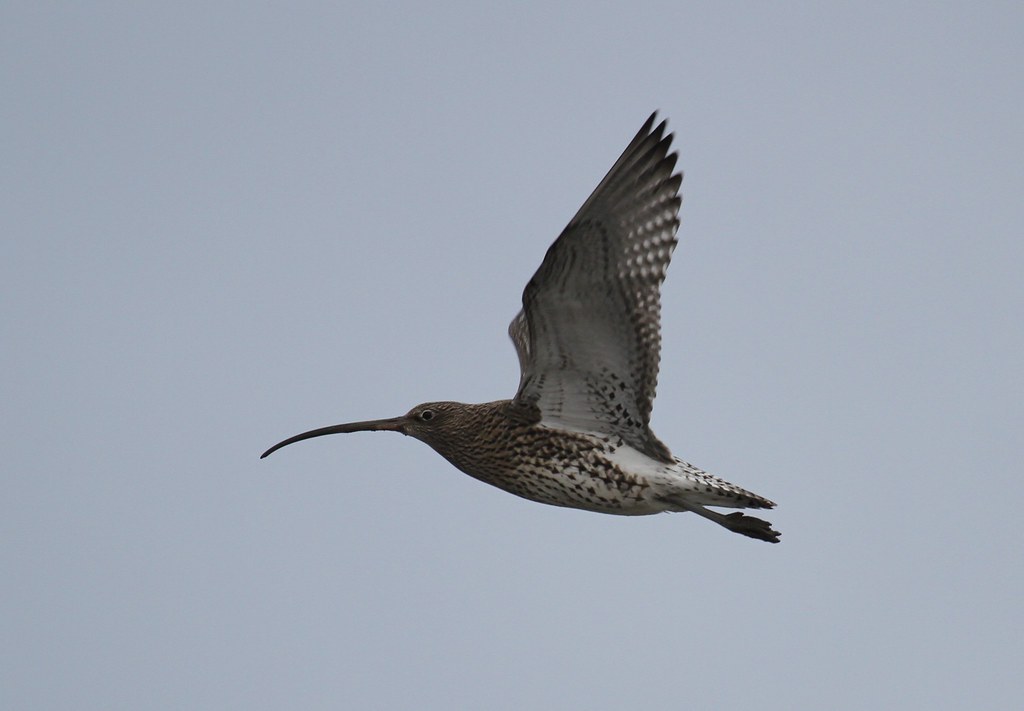
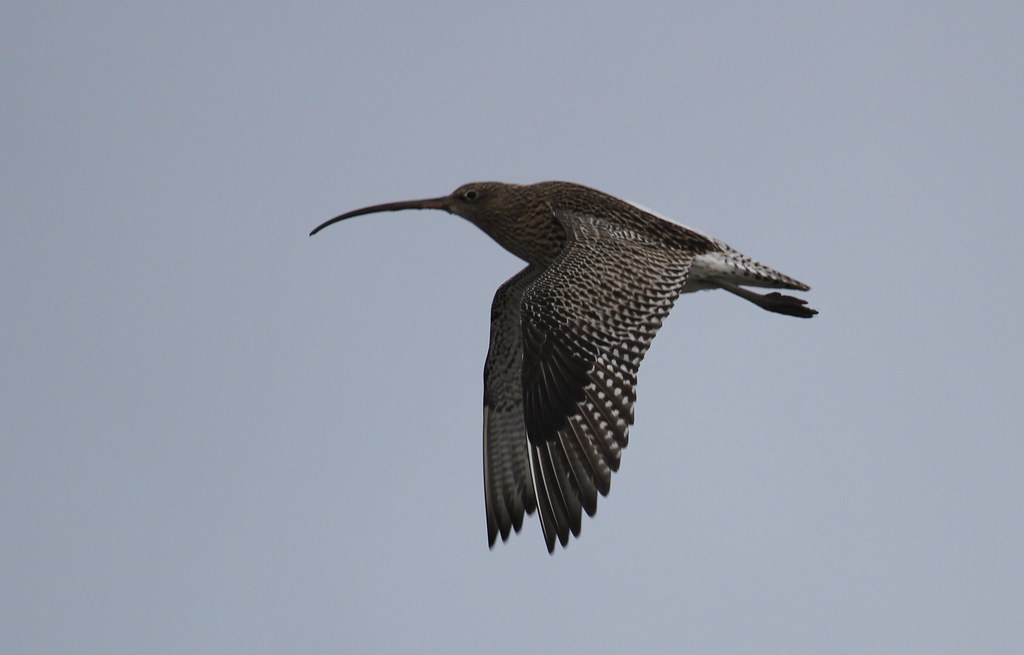
Photos below (in order from top): Pink-footed Geese in flight, Dark-belled Brent in flight, Pale-bellied and Dark-bellied Brent Geese, Ross's Goose in flight with Pink-footed Geese (x2), Eurasian Curlew (x3), Spotted Redshank (x2), Little Owl, Water Pipit (x2) and video of Shorelarks.


Sunday, 2 January 2011

2011 - New Year in North Norfolk

Although my original plan was to head out to Thornham to look for the Northern Harrier, the crowd of ~100 birders that greeted my arrival made me think again, so I headed over to Titchwell to see what was on the reserve. It wasn't a wasted journey; 9 Shorelarks, 4 Water Pipits, 8 Twite (including a colour-ringed, yellow over green, bird), 2 Pale-bellied Brent Geese and some Velvet Scoter offshore with the Commons made the visit more than worthwhile.
After that I decided to take a look for the Northern Harrier again. As it obviously wasn't at Thornham, I thought I'd go and see if I could find it at Burnham Norton, where it has previously spent time earlier in its stay. So, after a quick stop at Brancaster Staithe, I head over to Burnham Norton. There were lots of Marsh Harriers out on the marsh and I glimpsed a ringtail harrier (probably a Hen) a couple of times as it rose above the seawall, but not much else.
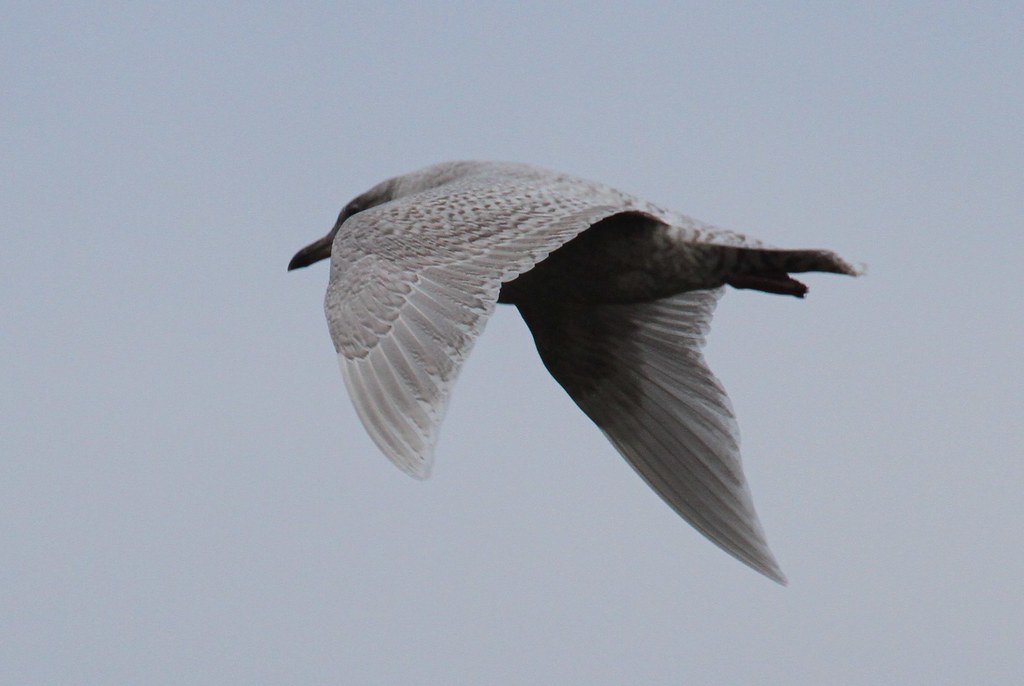
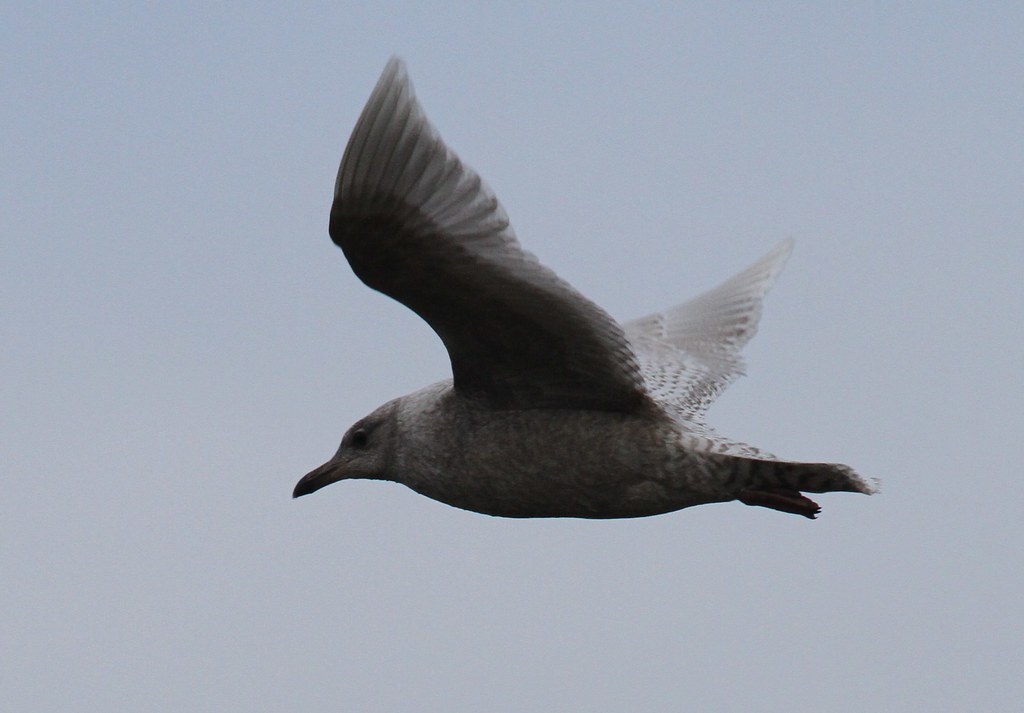
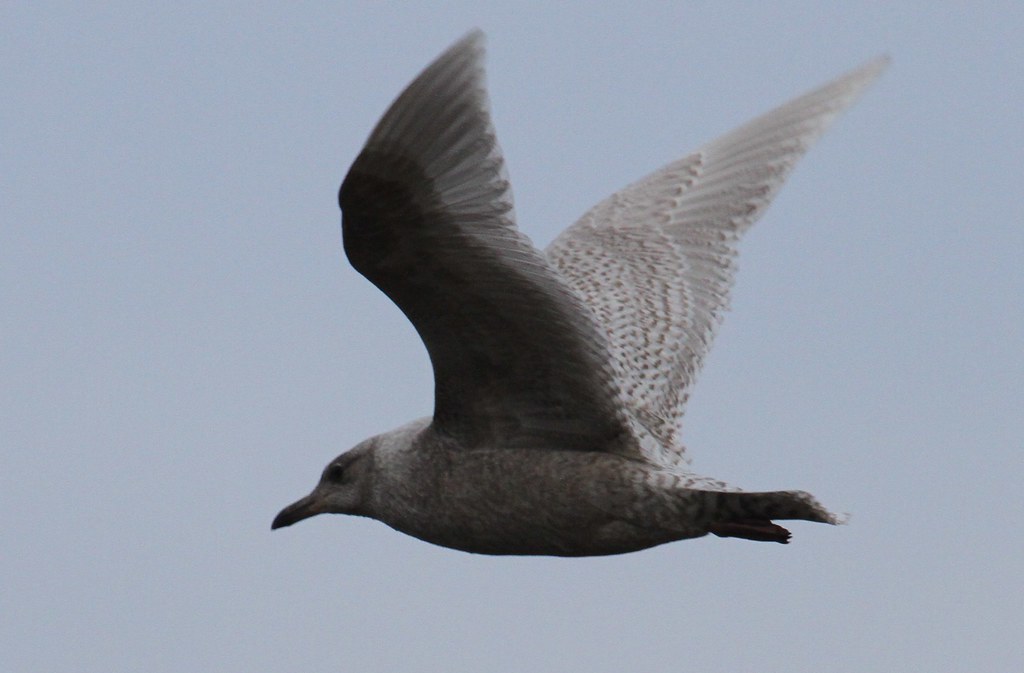
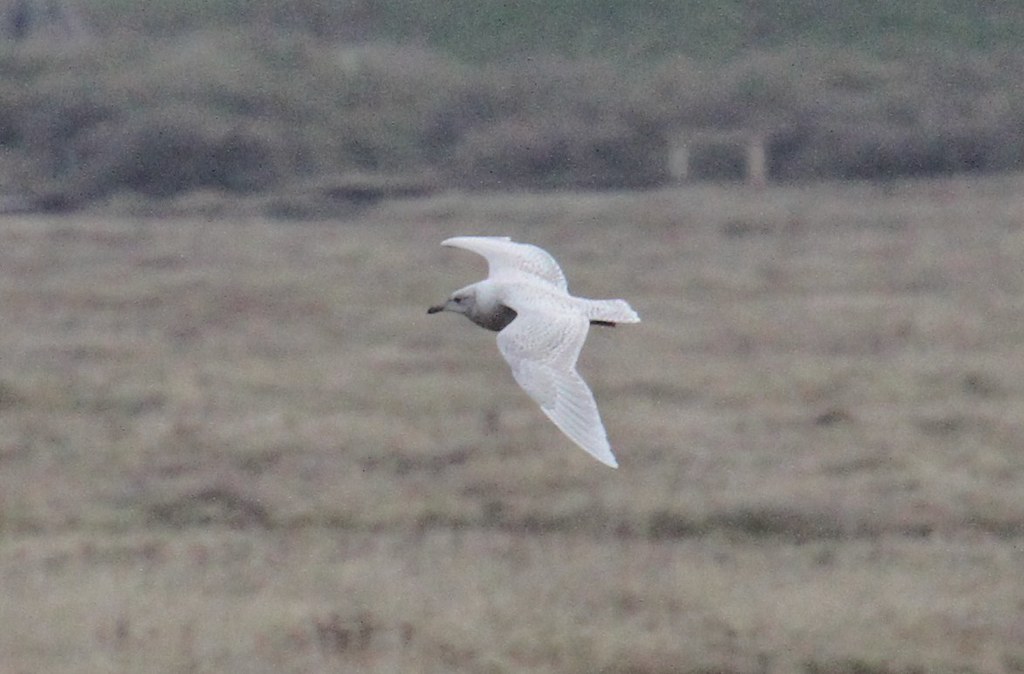
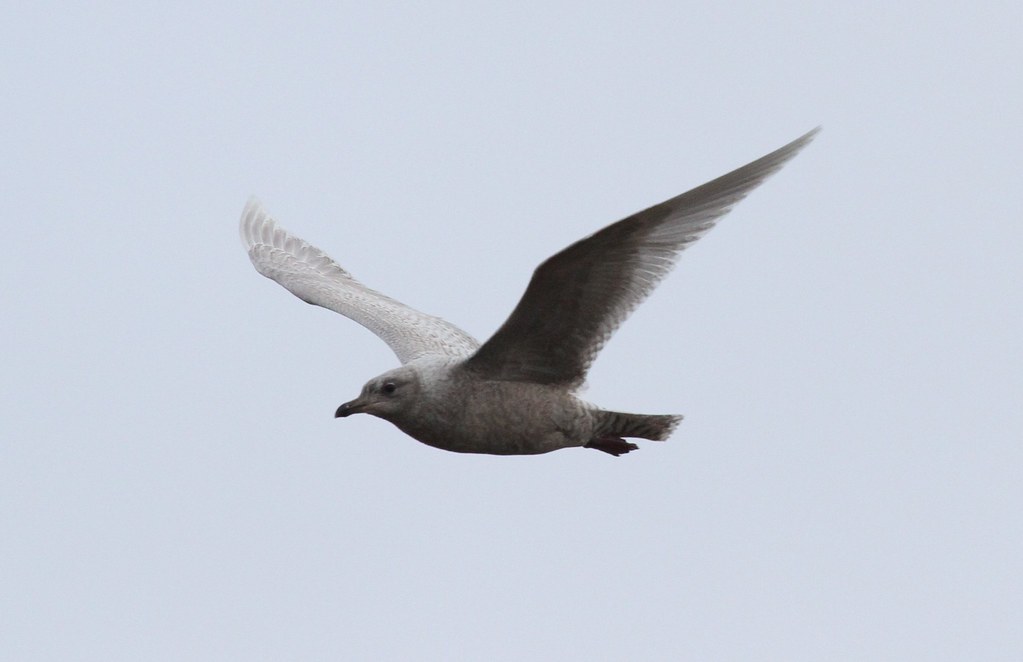
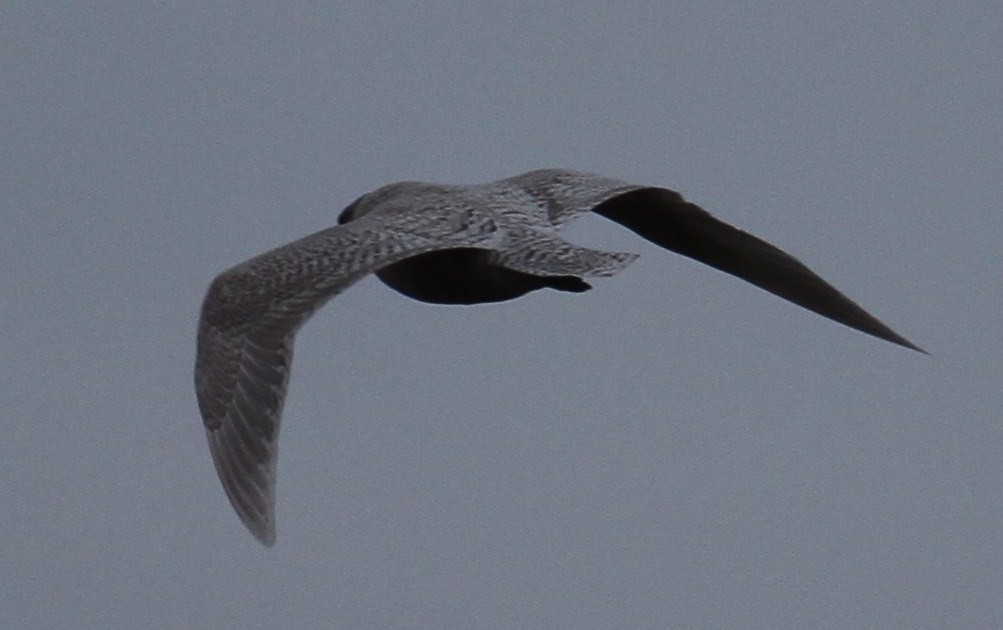
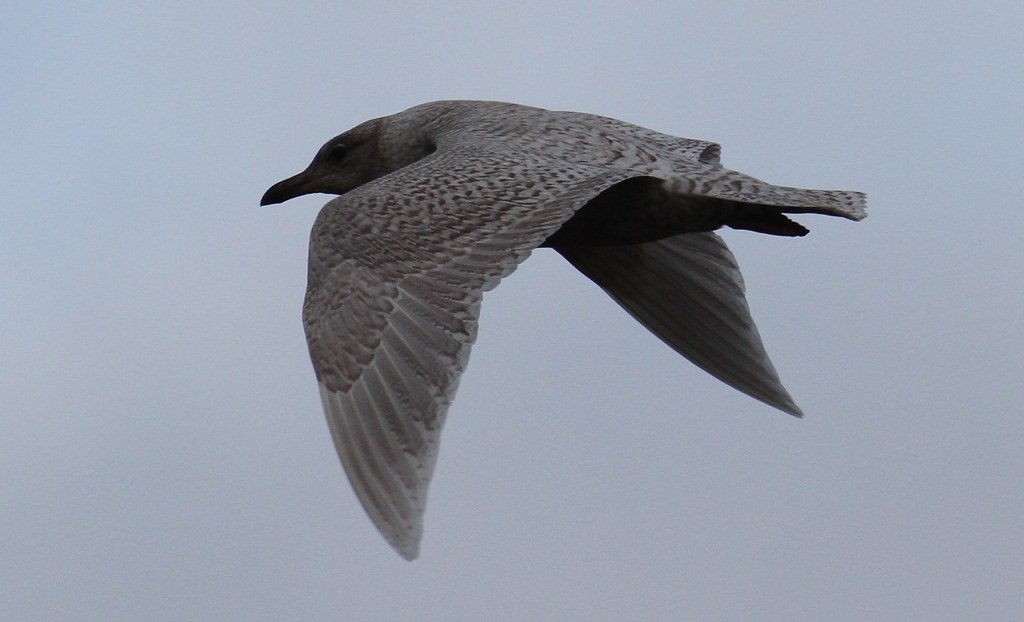
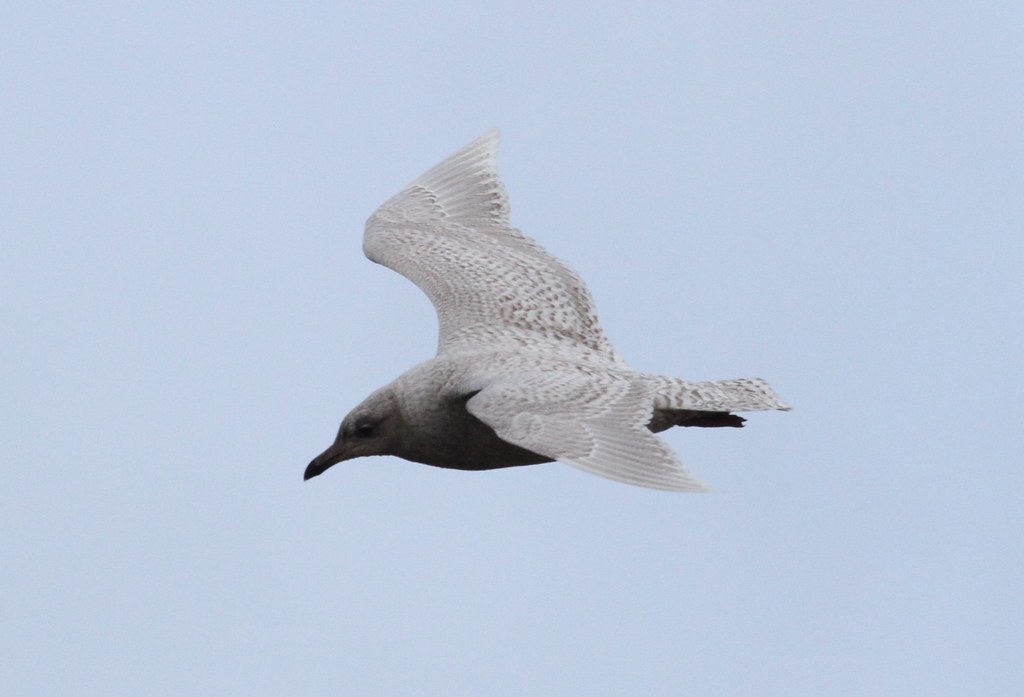
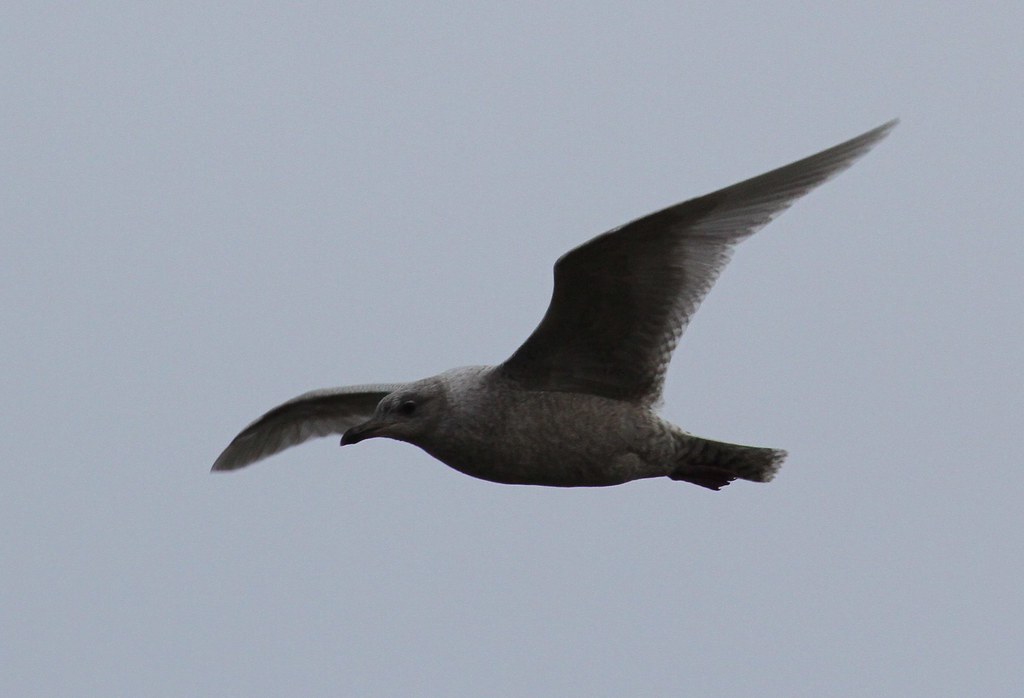
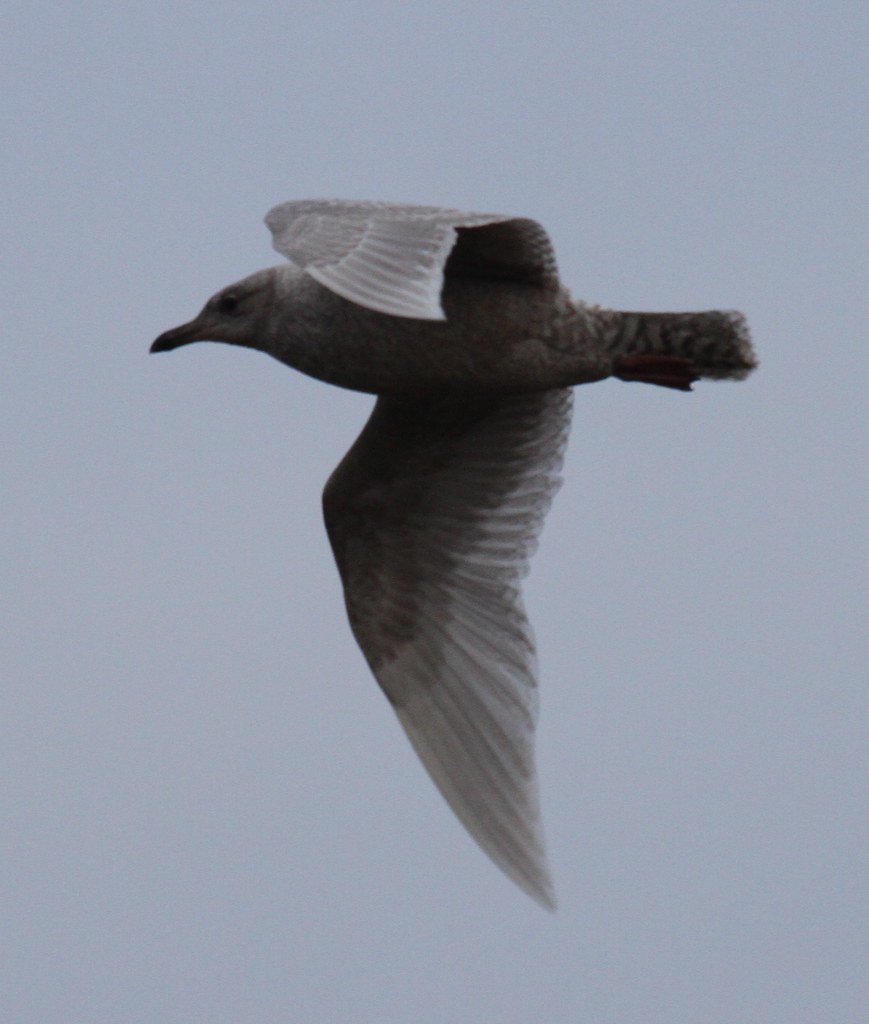
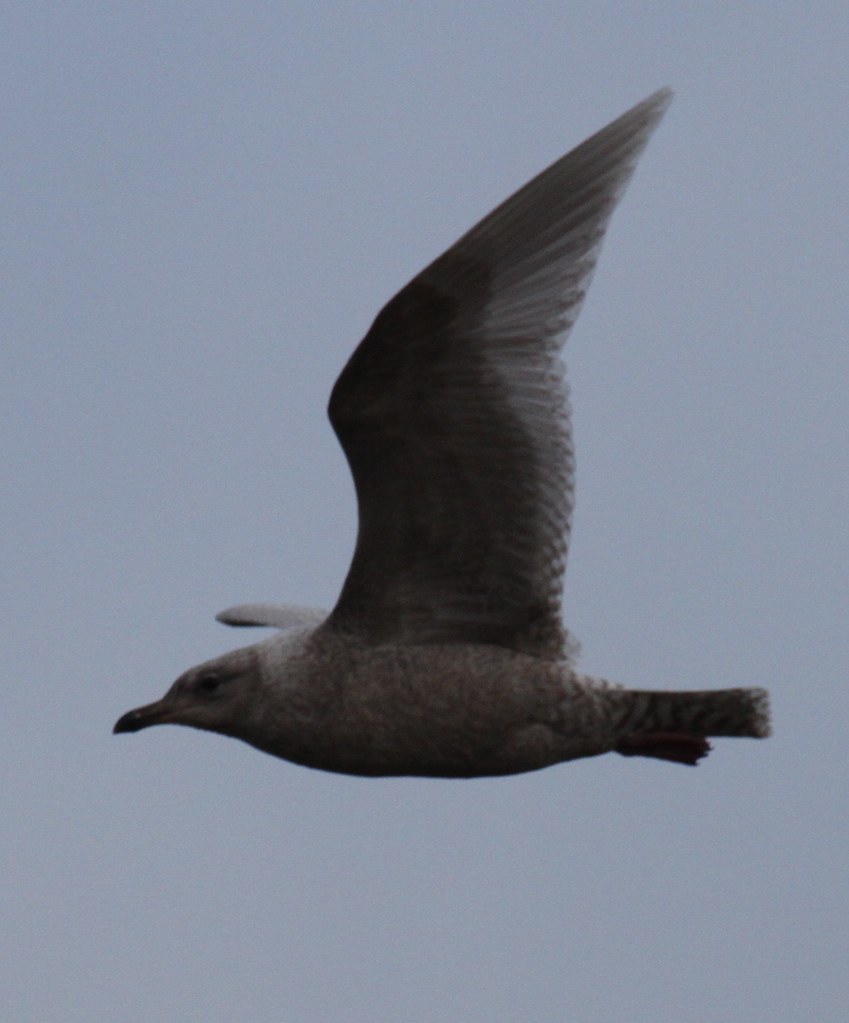
When I reached the seawall I started looking around, but other than Marsh Harriers, there wasn't many other raptors to look at, so I turned my attention to the saltmarsh, where the first thing I saw was a rather pale looking gull sat in the marsh, feeding on something. The gull immediately took flight and flew past me. 1st winter Iceland Gull! It's been ages since I found an Iceland Gull in Norfolk and this bird showed really well, flying round and heading back to the same spot a number of times. It stayed around for about 25 minutes, after which it flew off west towards Brancaster Staithe.


The day ended well too, as the Northern Harrier turned up finally at Thornham (presumably on a pre-roost feeding sortie), so I made the short journey there, entertained on the way by Stan Colleymore's 'mental' on the radio as Aston Villa scored an injury time goal to bring the score back to 3-3. The Northern Harrier was showing well on the saltmarsh when I got to Thornham. It still flies with one of its legs dangling and still likes the look of those Redshanks on Thornham Marsh. I'd go for turkey myself though, given the choice.
Happy New Year!

Sunday, 19 December 2010

Northern Harrier, Thornham

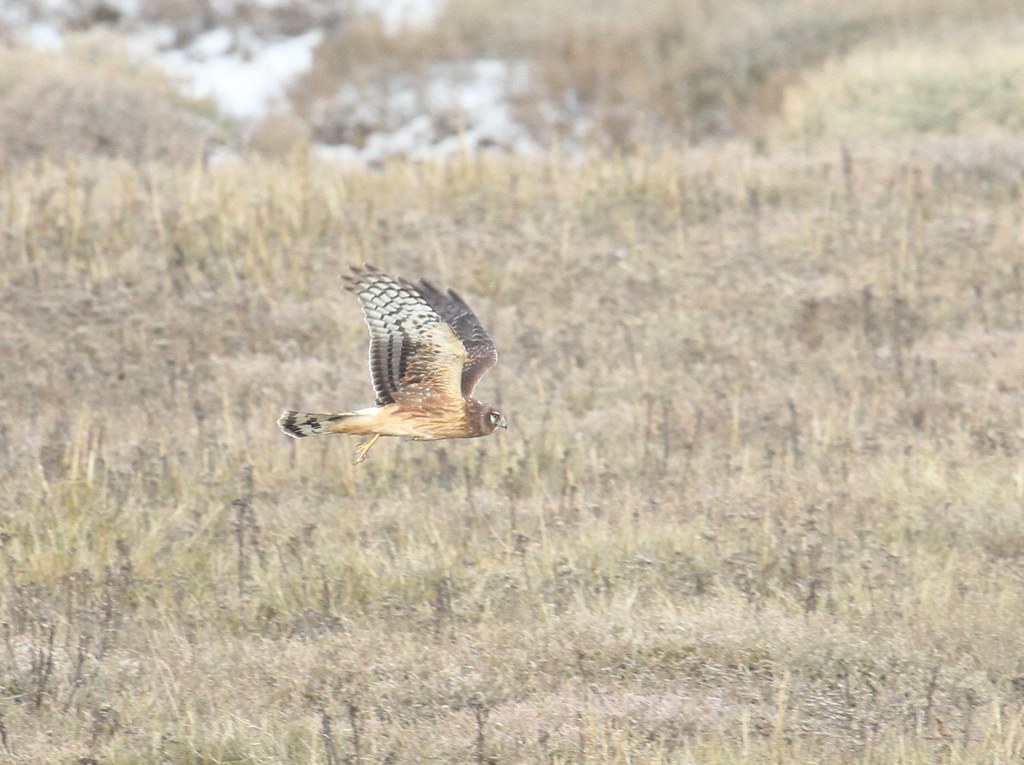
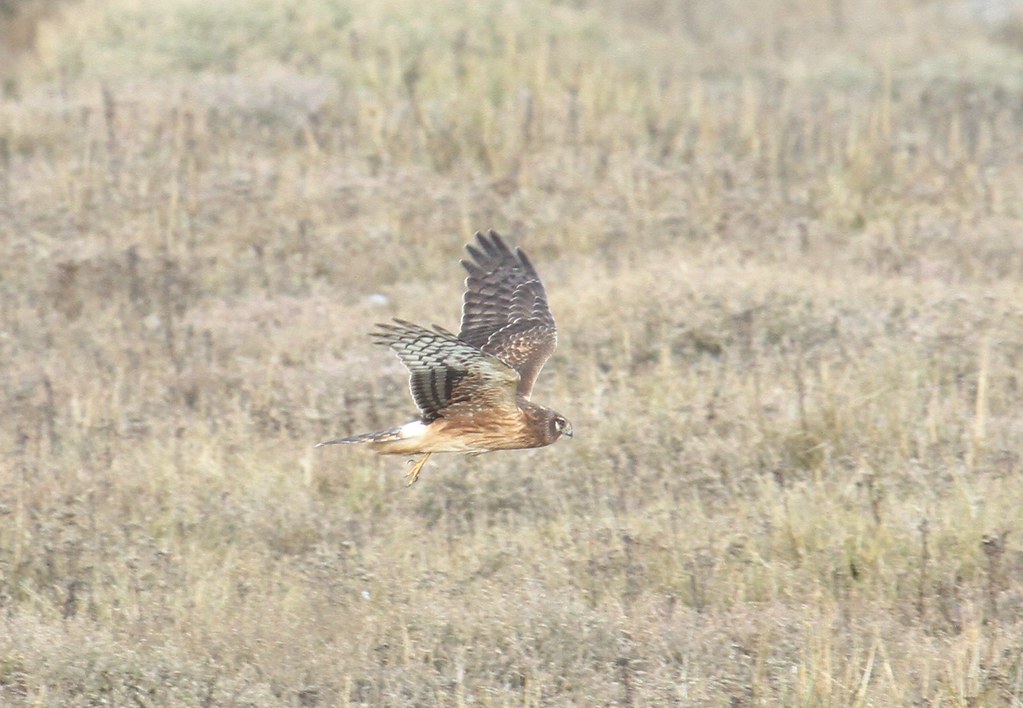
After having a wasted journey into London yesterday for the cancelled Arsenal v Stoke game, I hoped to have a slightly less wasteful day today by heading up to Thornham Marsh and try to get some better views of the Northern Harrier that has been hanging around in Norfolk since October. Mark Golley and I saw the bird a few weekends ago at Stiffkey, but the views weren't great and I wanted to see the bird a bit better. After standing around in temperatures well below zero the bird appeared and promptly dumped itself onto the side of a water channel, where it sat in the open for about half-an-hour giving really nice views. After this the bird got up and spent some time hunting around the harbour, west towards Holme and then headed off towards Titchwell (from where I saw it again later). There were two other ringtail Hen Harriers around too, giving a good comparison to the much darker, rufous Northern Harrier.


Most of Titchwell was frozen over, but there were 3 Water Pipits showing well from the shiny new Parinder Hide on the Saltmarsh and 15 Twite flew over calling. There were a few hundred Common Scoter on the sea, but there was a bit of a swell so it was really hard to look through them for anything more interesting.
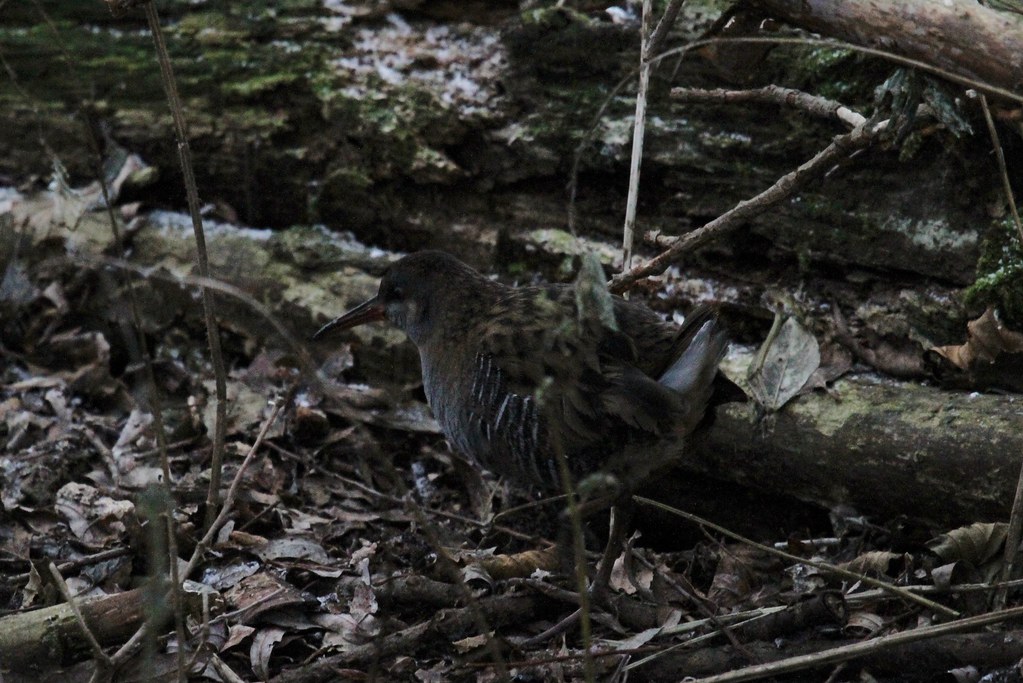
Finally, on the way back to the reserve visitors centre, there were a couple of Water Rails showing quite well  in the ditches near the feeders.