Even a 5 a.m. rise wasn't early enough to earn me a spot in the fully-occupied Sheringham seawatching shelter, so at 5.50 a.m I found myself sheltering behind a small wall at the far western end of Sheringham promenade with my scope trained on the 'busiest' area of sea. The seawatching started off quite well, with plenty of skuas, mainly Arctic and Great but also a single Pom. I got onto a possible adult Long-tailed Skua, which promptly disappeared behind a trough, never to emerge from the other end of it. The rush of shearwaters that others had witnessed the day before wasn't apparent this morning. I saw only two shearwaters - one Sooty and one Manx, both heading west, into the wind. There were lost of waterfowl heading west too. A few hundred Common Teal and lots of Common Scoter, along with a few Pintail and a single Greater Scaup. A few Arctic Terns also added to a bit of diversity.
After watching the sea for 4 hours, I headed off to Muckleburgh Hill as it was about the only sheltered spot that might have been harbouring some migrants. A Spotted Flycatcher was nice to see, and the large flock of Chiffchaffs and Long-tailed Tits occupied about an hour of my time.
One of many Chiffchaffs at Muckleburgh Hill.
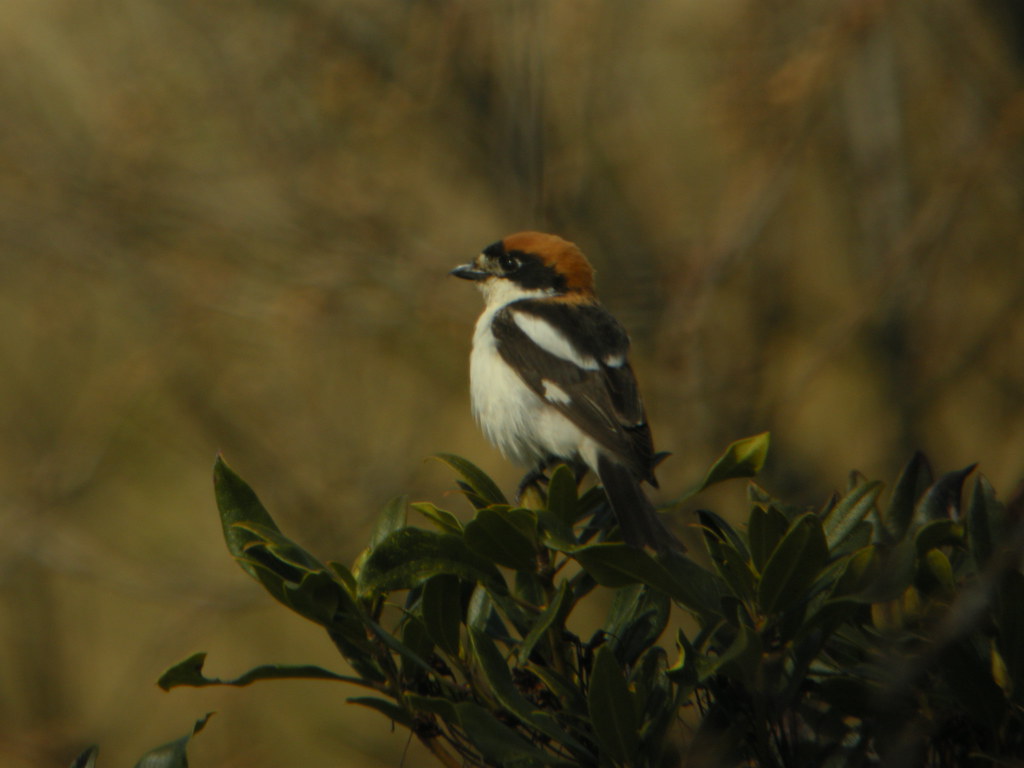
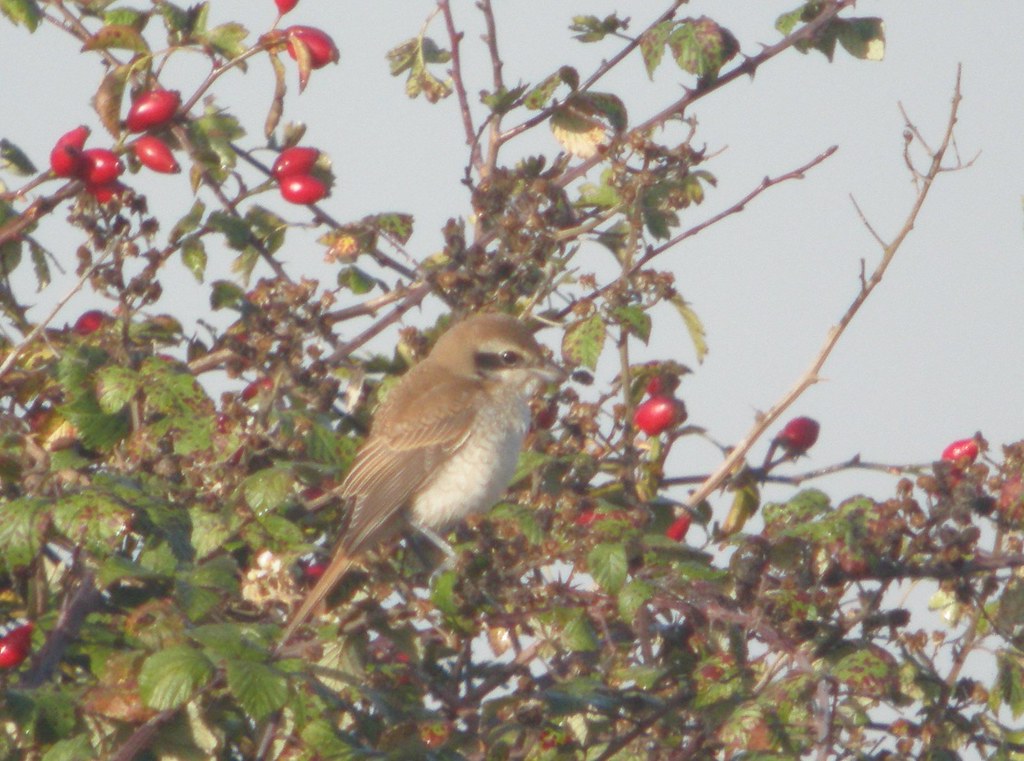
I then headed off to Cley where I was first on the scene of a juvenile Red-backed Shrike that had just been found at Walsey Hills.
After that I spent the rest of the afternoon on Cley reserve in Dauke's hide, photographing waders and waterfowl. Gargany Some of my efforts are below.
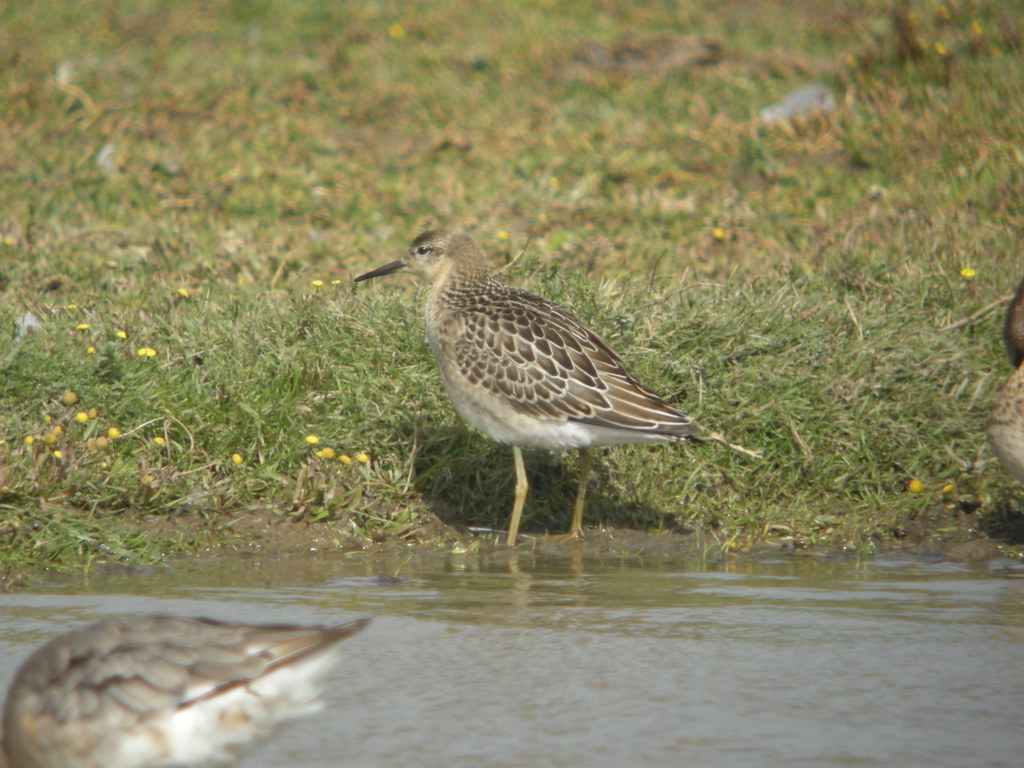
Juvenile Ruff, Cley.
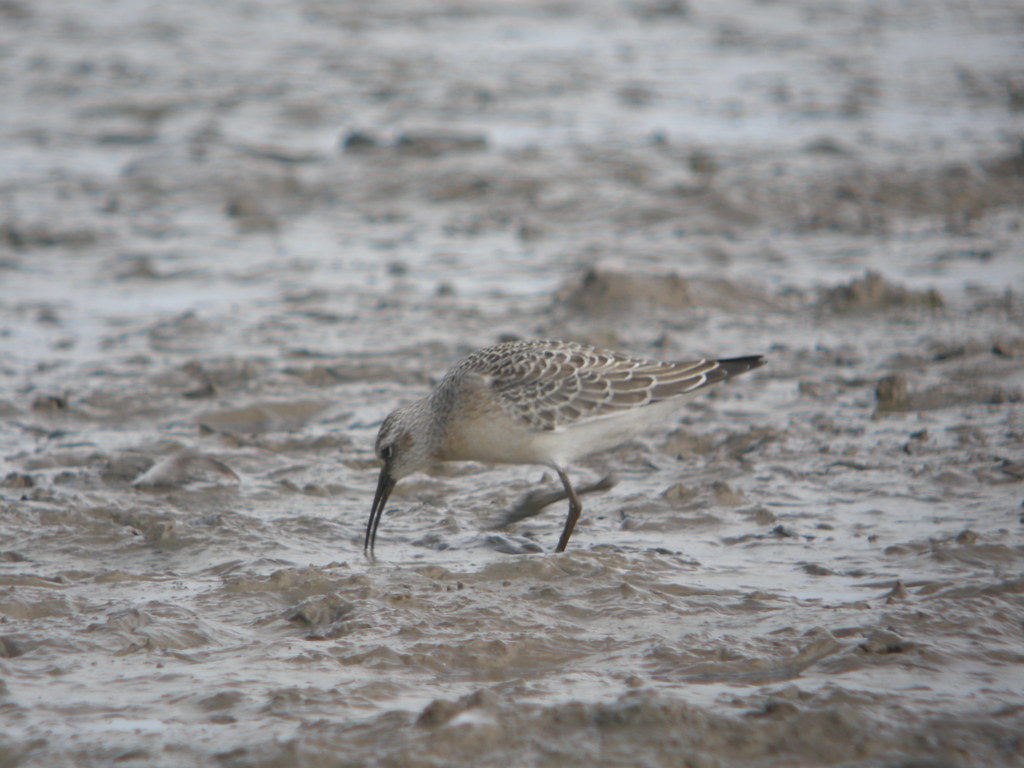
Curlew Sandpiper, juvenile, Cley.
Spotted Redshank, adult winter, Cley.
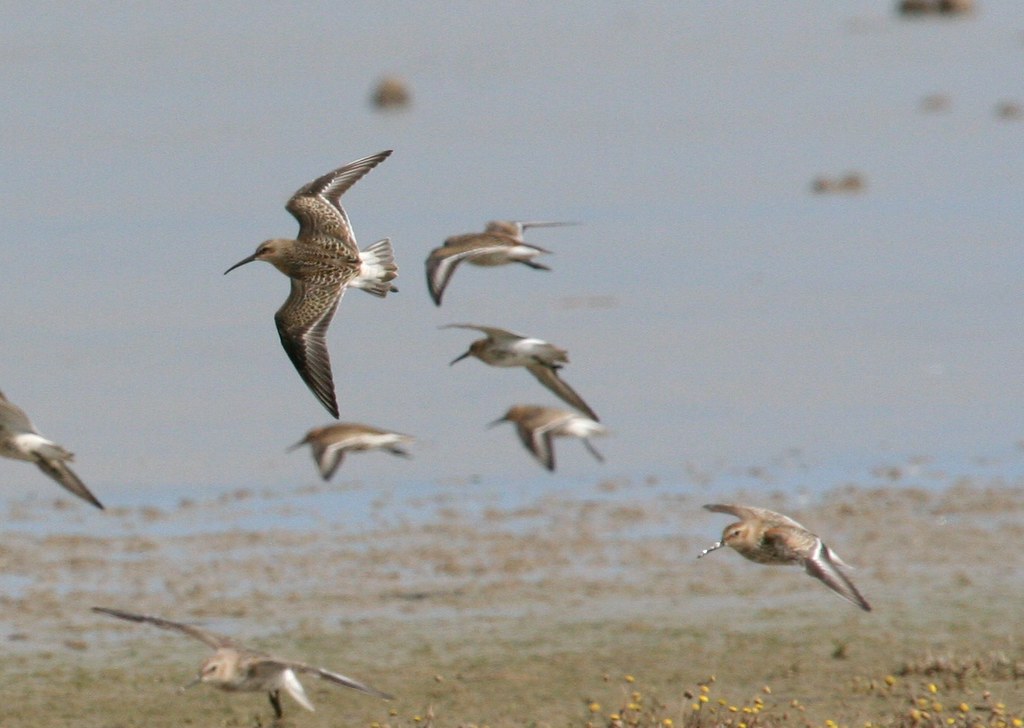
Curlew Sandpiper, juvenile in flight with Dunlin.
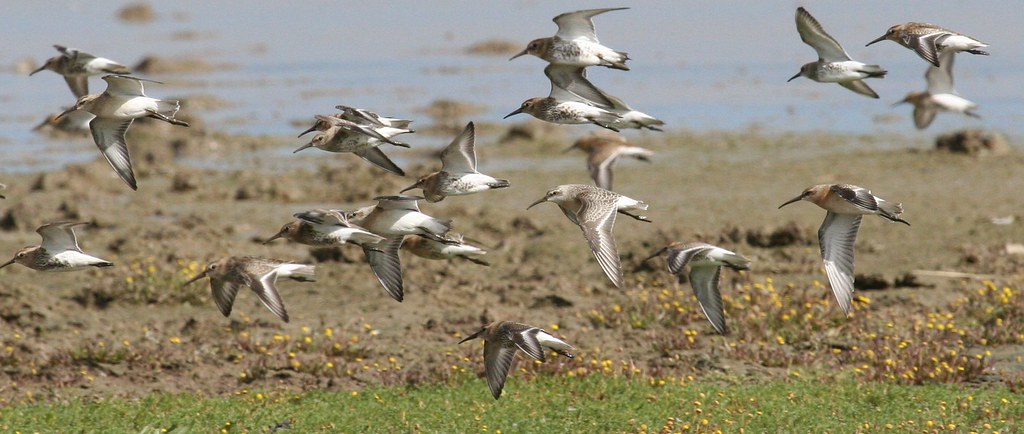
Curlew Sandpiper, juveniles in flight with Dunlin.
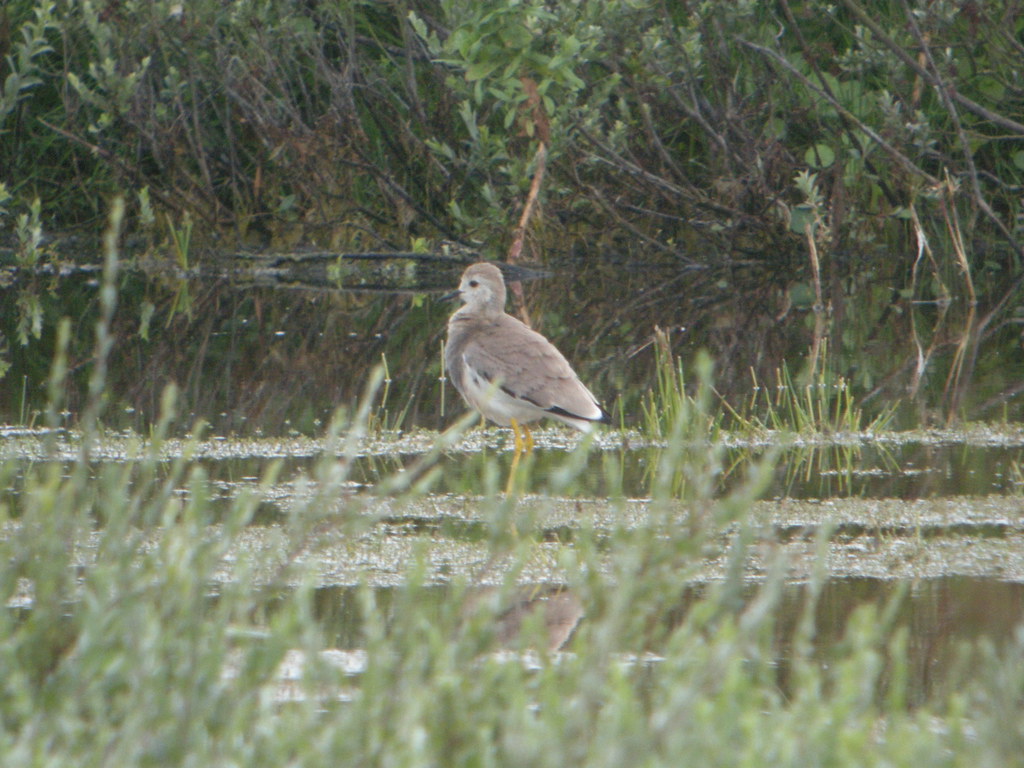
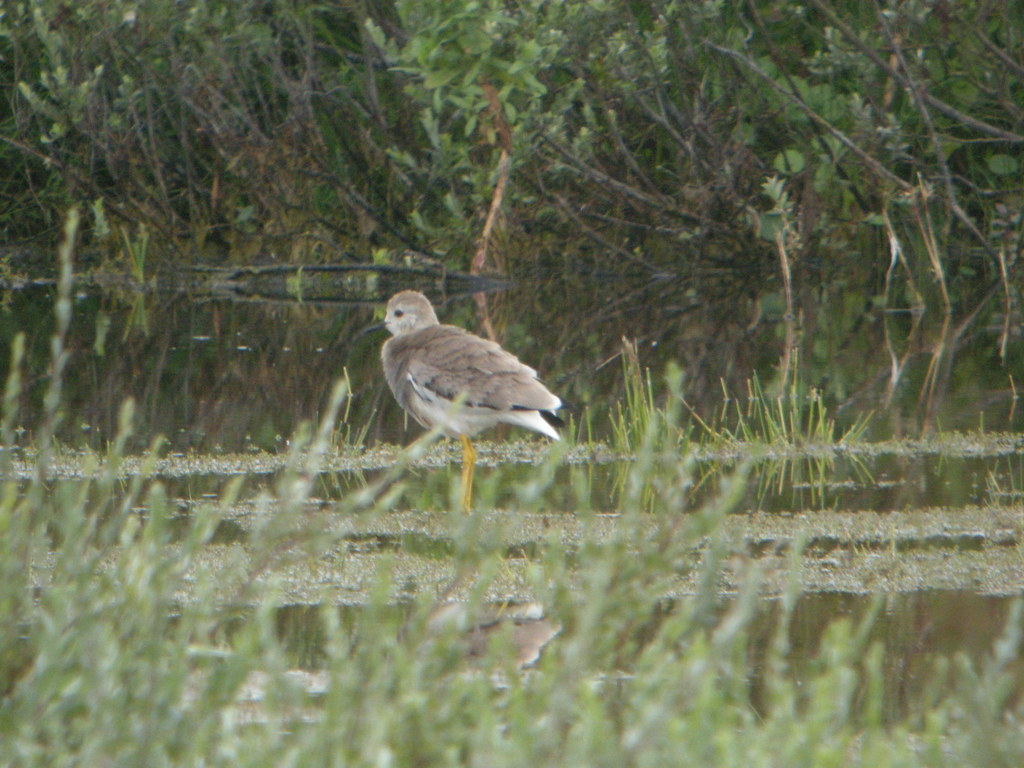
So, after travelling more than 1700 miles in search of White-tailed
Plover in the UK I finally got to put this bird on my British list
today. I was kicking myself for not going to see the bird at Rainham
Marshes a few days earlier, thinking that Spain v Germany in the World
Cup was a suitable substitute (how wrong I was). Anyway, when this bird
turned up at Dungeness RSPB yesterday I decided to drive down over night
and look for the bird at dawn. After watching the World Cup Final, I
set out from Norwich and arrived at Dunge at 02.00am. I tried to get
some sleep, but the heavens opened and I spent the whole night in a
noisy thunderstorm not getting any sleep at all. Anyway, after a rather
worrying start, when I couldn't find the bird for half-an-hour from
dawn, I finally found it feeding on the edge of an overgrown pool. I
watched the bird for an hour and a half and then again later on. Some
nice photos and video of the bird below.
Not sure what was going on with RBA this morning though - I phoned the news out at 5.05 and again at 6.30, but the news didn't go out until about 7.30. Oh how a bird loses it's 'mega-status' so quickly these days (it is, after all, still only the 5th British record).
I also managed to see the pair of Purple Herons that are nesting on the
reserve. They should have well grown young now which will be fledging
over the next week or so
Below are some photos and video of the White-tailed Plover. Enjoy!
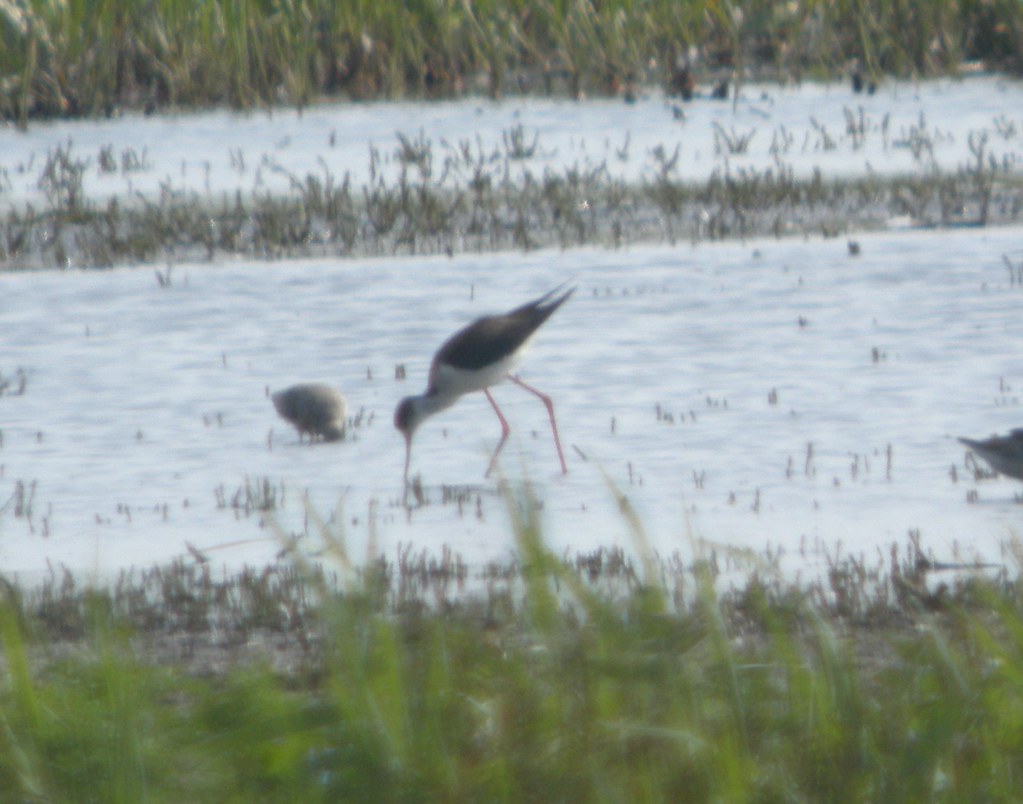
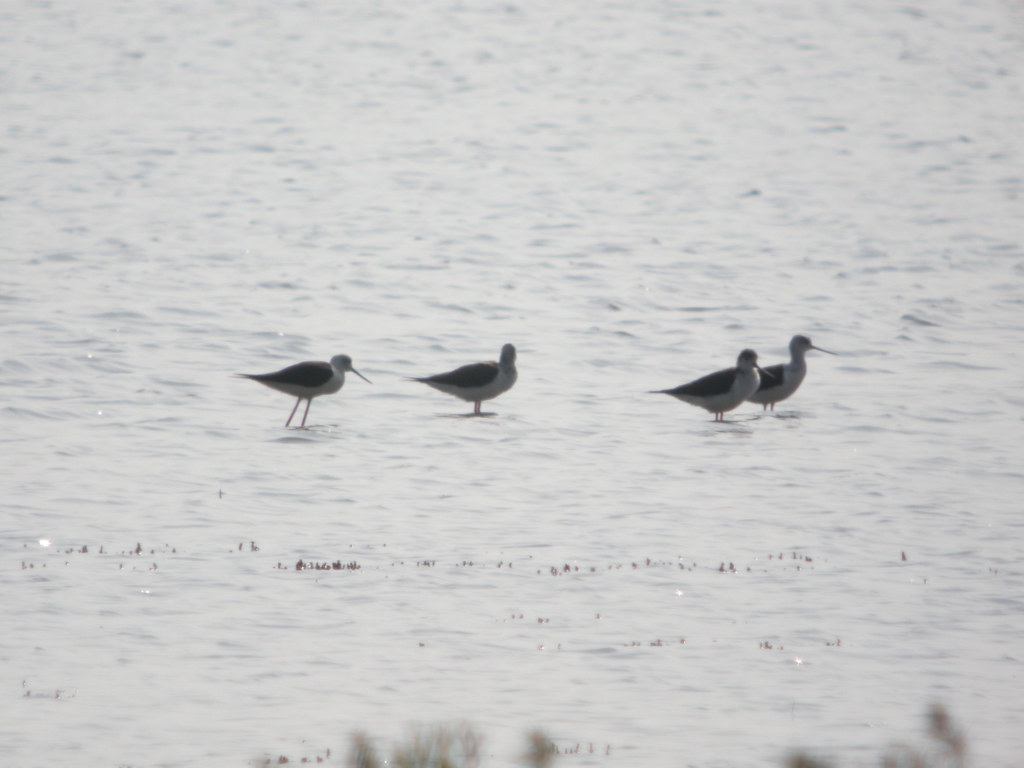
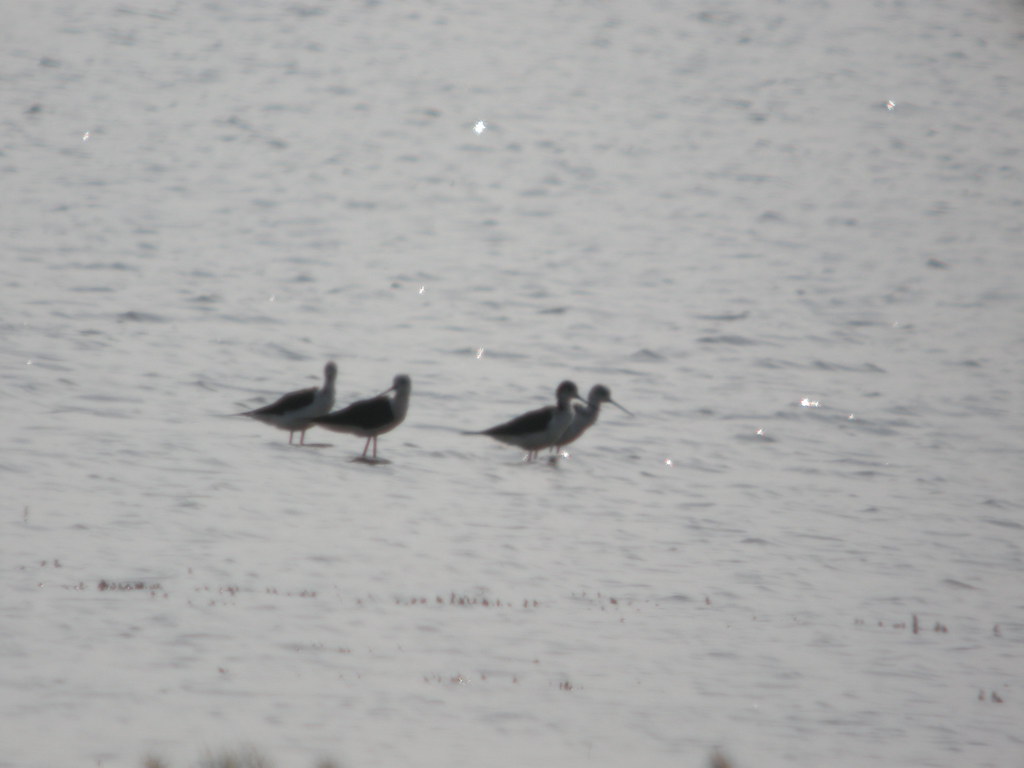
It took a bit of racing about, but I finally connected with 5 Black-winged Stilts at Titchwell RSPB.
I was just arriving in Holt when the pager bleeped to tell me there were 4 Black-winged Stilts at Titchwell, so I drove passed my exit to Cley and headed off to Titchwell. By the time I arrived, the number had grown to 5, a Norfolk record, so I quickly parked up and head out onto the marsh only to meet Paul Eele who informed me they'd just flew off east, but may have landed just over the bank at the end of Gypsy Lane.
I dashed back to my car and headed off to Gypsy Lane. After 10 minutes I was nicely situated in the middle of the saltmarsh when my pager bleeped to tell me they'd returned to Titchwell - doh!
Anyway, I headed back to Titchwell to find all 5 birds feeding on the freshmarsh.
Although they were fairly distant and didn't stay together as a group very much, I did manage to get a couple of shots of 4 birds together.
It's been ages since I updated my blog. I blame this on Stoke City's great season and my general tardiness.
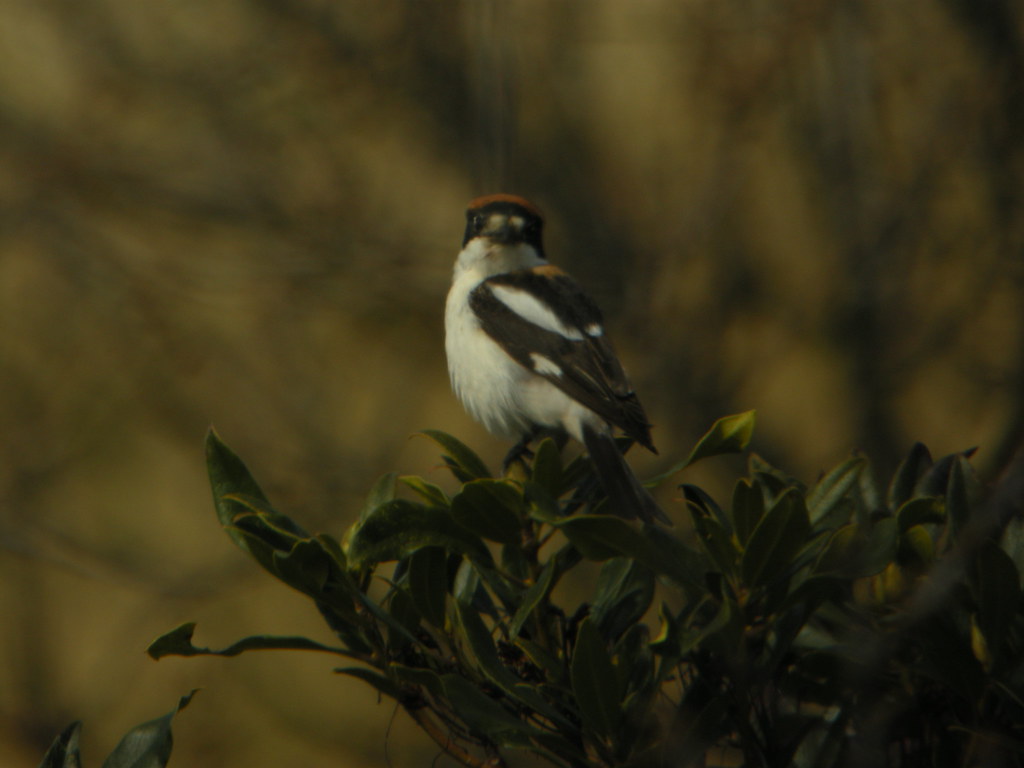
Anyway, I got down to Winterton Dunes this afternoon to see the rather showy Woodchat Shrike that had been hanging around.
My main mission today was to go and have a look at Barton Broad, which had Ferruginous Duck and drake Smew there. I tried last weekend, but it was blowing a NE gale right across the ice-covered broad straight into my face and I really couldn't be bothered to stand there in the freezing-cold looking right across the other side of the broad in the fading afternoon light. Today though, was to be different. With most of the snow gone, ice melted and the sun in the sky, I diverted to Wroxham Broad to have a quick check. Not much going on there. Lots of Tufted Ducks and lots of small gulls roosting, but not much else.
I arrived at Barton Broad at about 1.30pm and the 'Fudge' Duck, along
with 3 drake Smew were showing really well in the, now ice-free, bay in
front of the the observation platform.
Then it was off to Rush Hills Scrape where there was quite a lot of coming and going of ducks (mainly Teal and Shoveler). A nice Lesser Redpoll stopped to feed in a nearby Alder giving some nice photo opportunities. A walk a little further along the Weavers Way provided more Redpoll, a fly-over drake Goosander and a couple of roosting Tawny Owls.
On the way back, the number of duck had risen quite markedly up to 250 Common Teal, but Andy Kane appeared on the opposite bank (presumably to do some maintenance work) and all the duck got up and flew off. Presumably there was a redhead Smew with them as one was reported there around the same time.
Anyway, a nice day around the broads and it's good to see the back of the snow and ice.
The BBC News 24 team obviously saw my potential and singled me out of the crowd of c700 birders at the Eastern Crowned Warbler for this interview. I'm just waiting for the TV offers to come flooding in. Expect to see me on Springwatch next year...
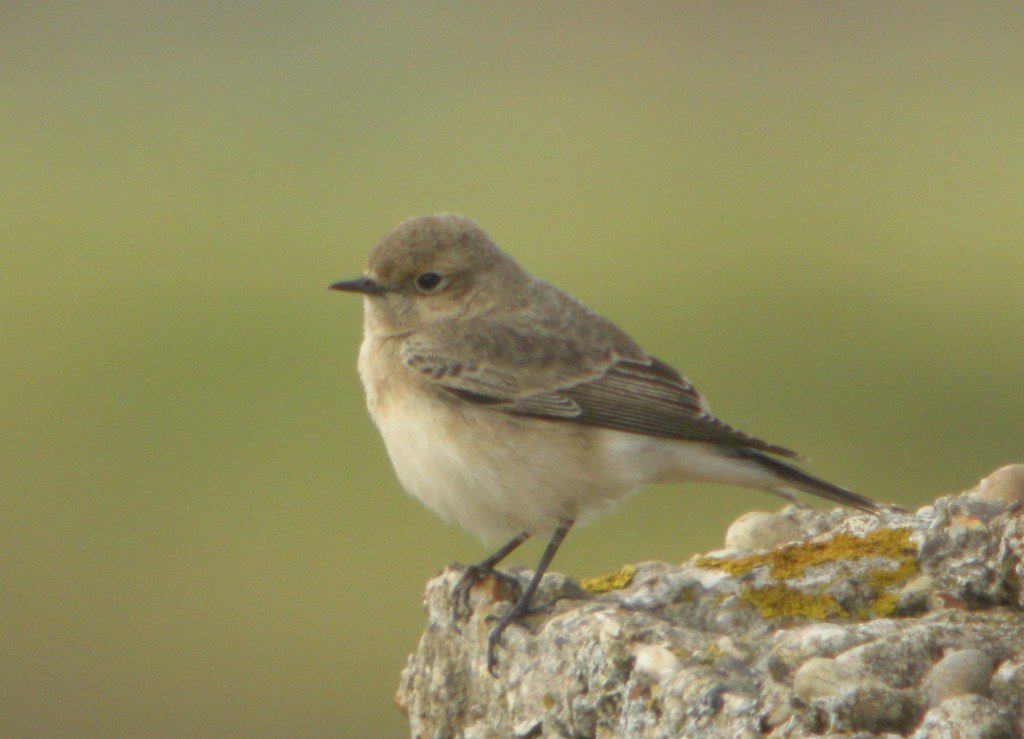
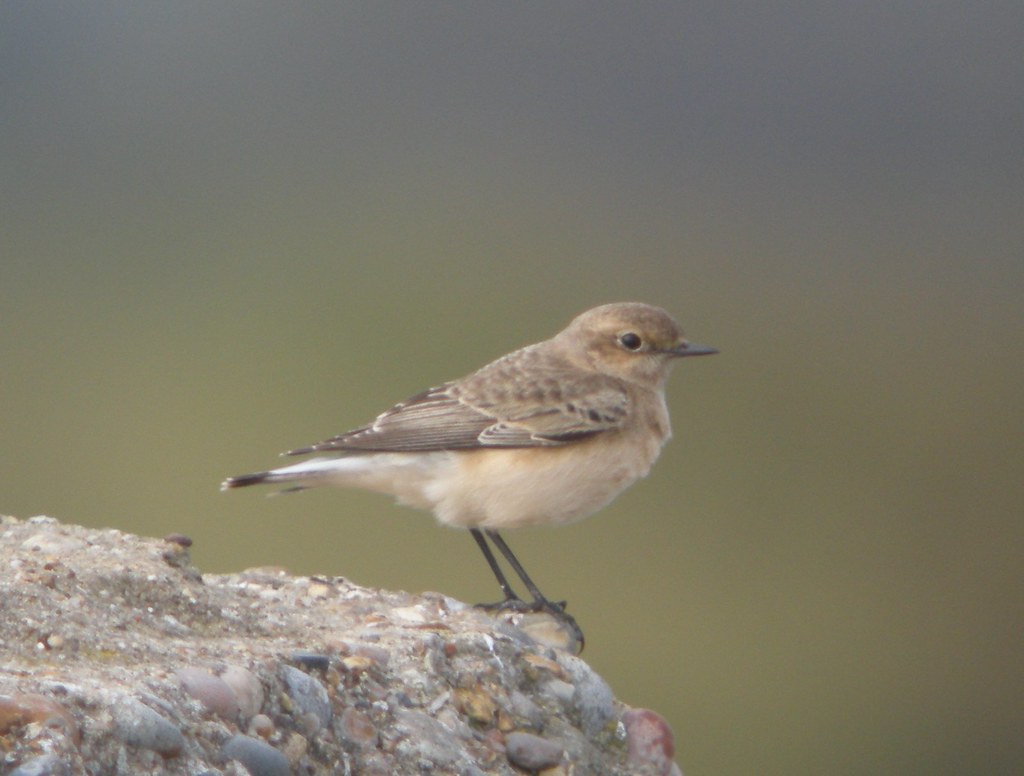
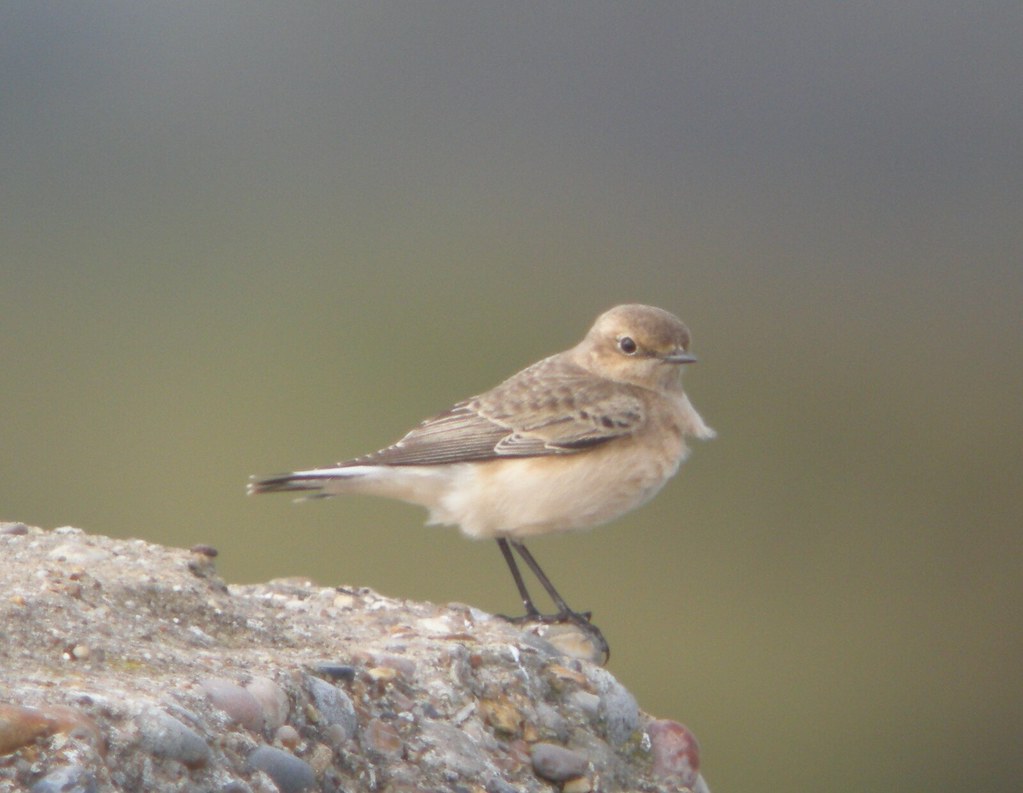
Dashed out for an extended lunch today for a quick twitch up to Horsey Gap to see the 1st-winter male Pied Wheatear sat on the pillbox just south of the NT car park. The bird called quite often, a soft "chit", similar to a Stonechat, but without the hard 'tacking' property. It often flew in the air and hovered a-la Eurasian Skylark and this enabled viewers to see the sooty underwing and characteristic tail pattern.
The bird was really co-operative and sat on the pillbox at close range for extended periods. Unfortunately, the same could not be said for the Paddyfield Warbler at Snettisham. After sitting on news of it for 6 hour, word finally got out but the bird had gone. Thanks guys - not!
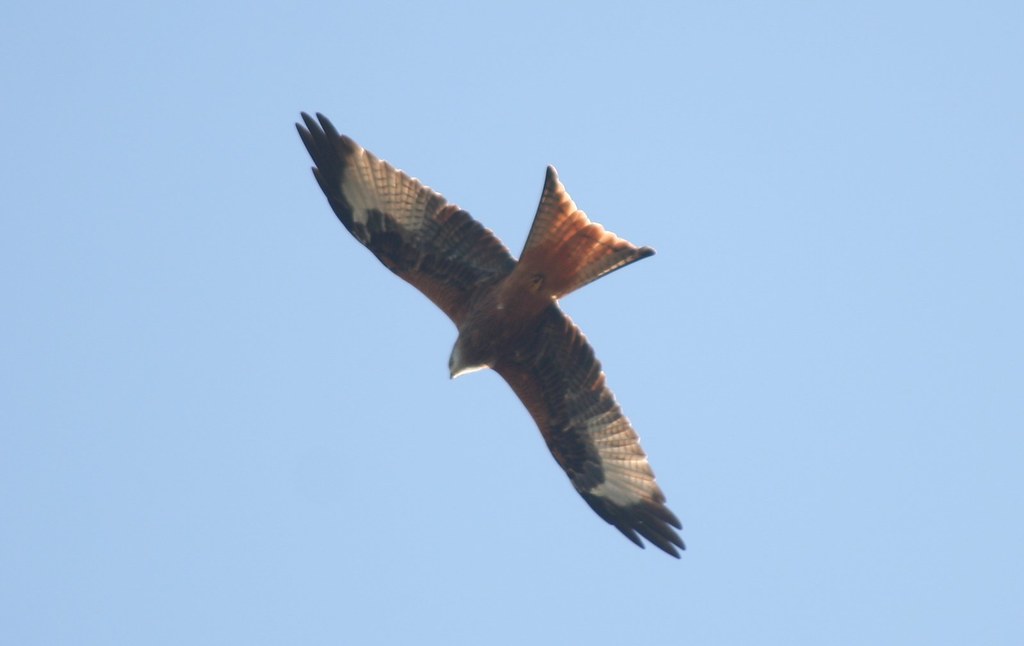
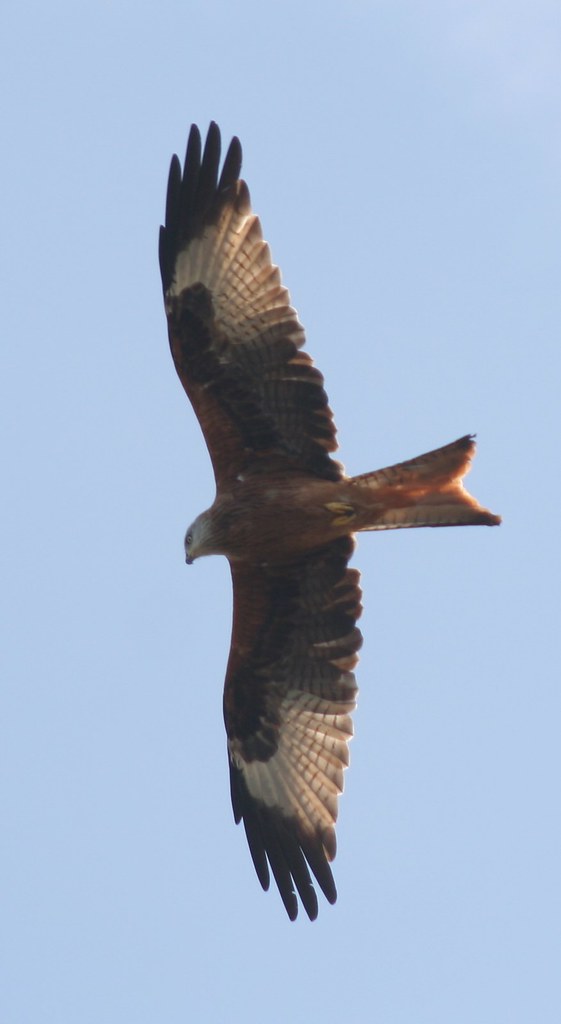
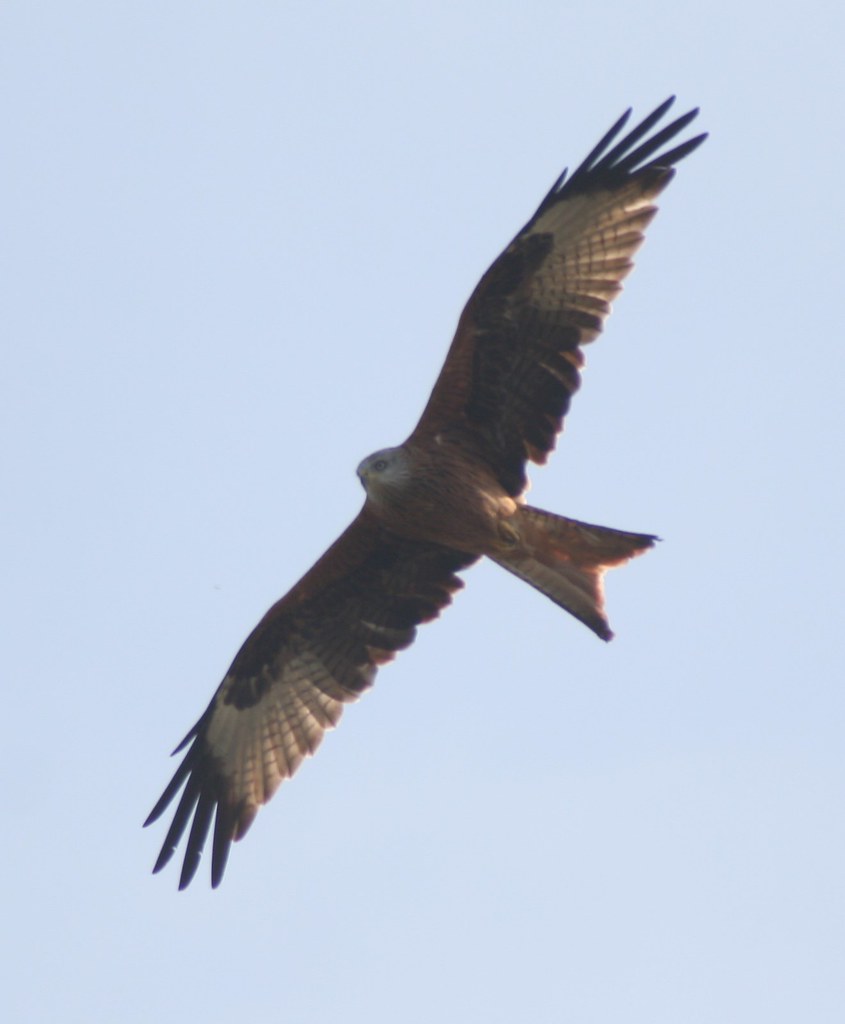
Whilst driving around Oxfordshire looking for gulls, there was a number of photo opps for raptors, particularly a nice perched-up Common Buzzard and numerous Red Kites.
Here's a selection....
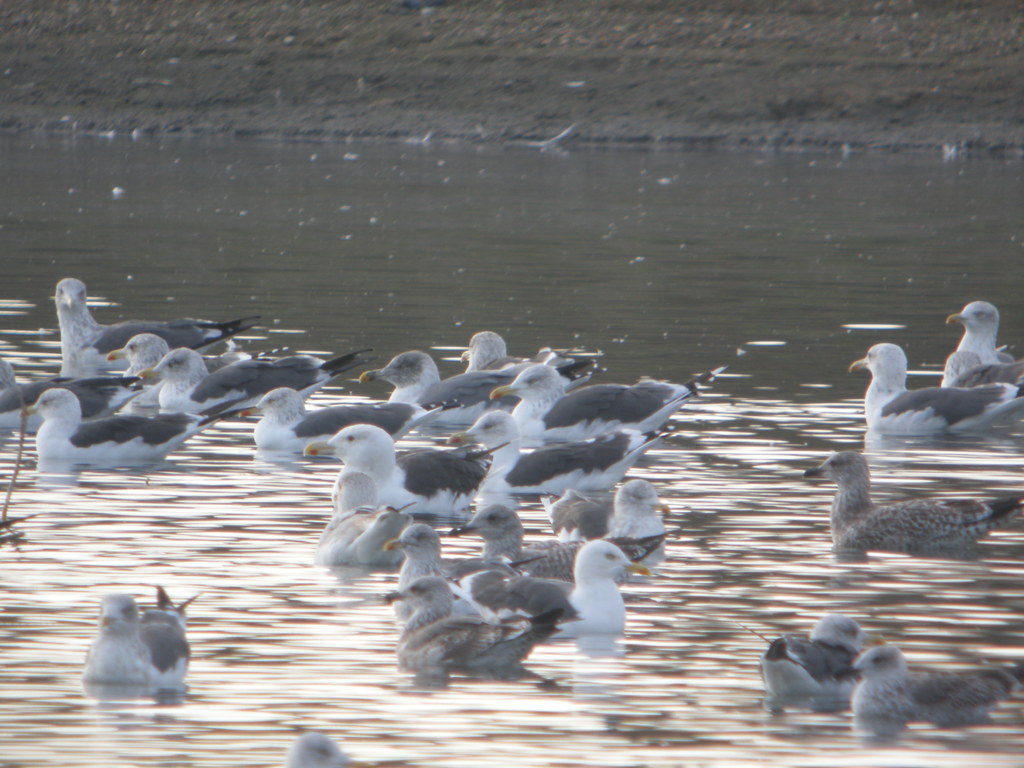
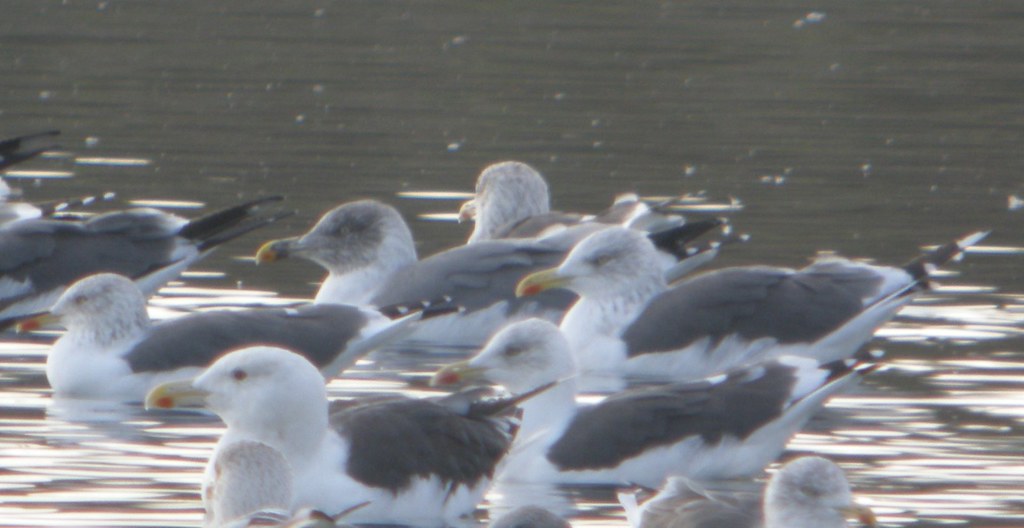
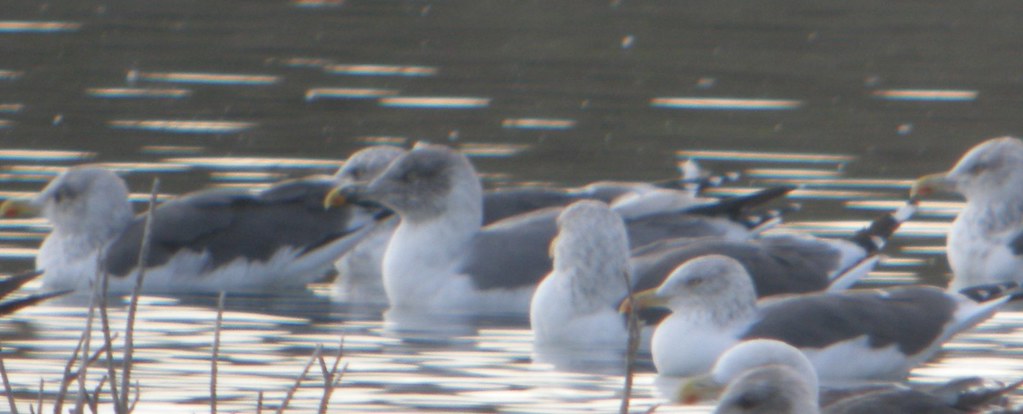
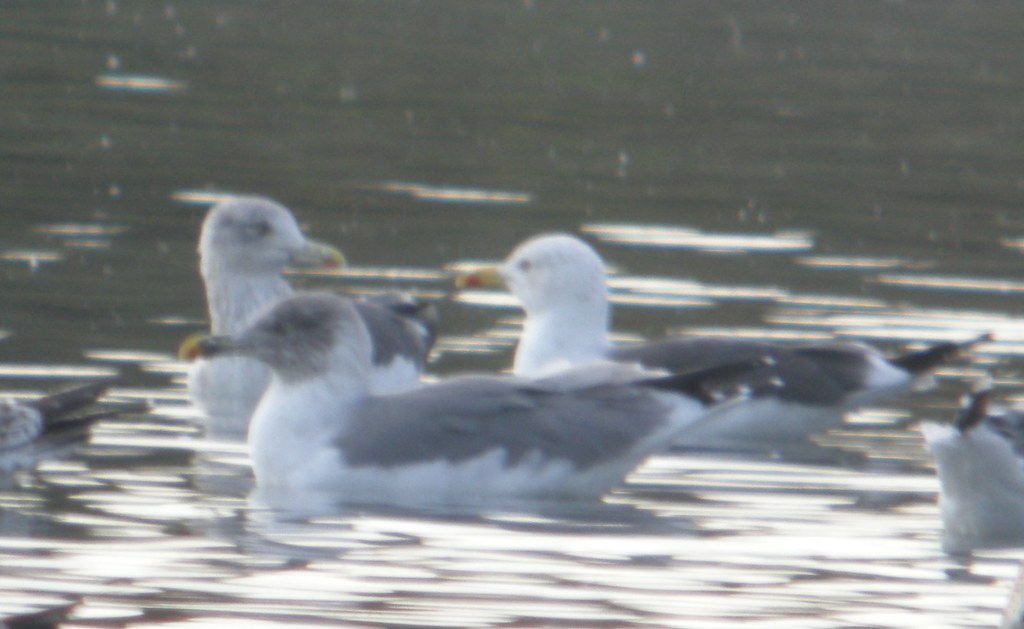
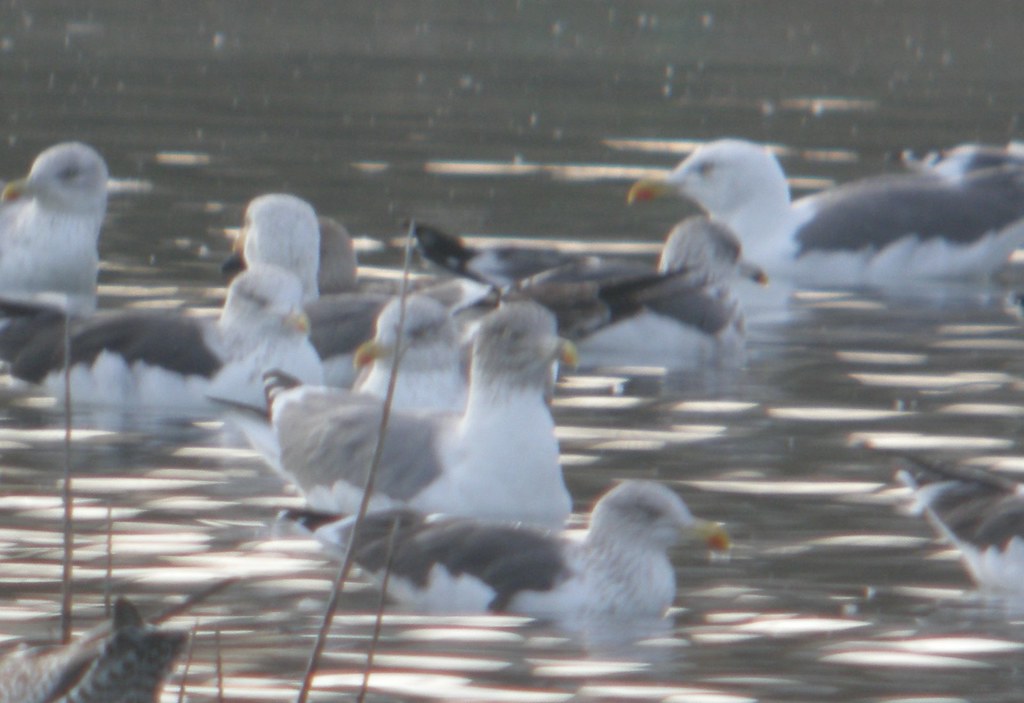
After seeing London's Brown Shrike I headed off to Didcot and spent the rest of the day searching for the Azorean Yellow-legged Gull that Ian Lewington found last week at the dump between Didcot and Appleford. After going back and forward between the fields and the dump pool for 5 hours, I finally decided enough was enough and decided to give the fields one last look, but before I could start sifting through all the gulls a Perigrine attacked them and all the gulls from all the fields flew up and headed to the dump, so I decided to give the pool one last look and sure enough, there it was swimming around with the LBBG's. Azorean Gull is a real beast as can be seen from the photos below.
OK, I know most* people will say that Staines is in Surrey, or Middlesex or somewhere like that, but as far as I'm concerned, if it's inside the M25 - it's in London.
*southerners
After not having time to go to Flanelborough last autumn and not bothering with Marcus Lawson's 'Red-backed Shrike' on Bryher those many moons ago, it was great to finally catch up with Brown Shrike. I've only seen adults in Asia, so it was nice to see a first-winter so well.
There are a number of features which identifies the bird as Brown. The black mask with flaring white supercillium, the very short primary projection, the round head and round body, giving it a rather rotund appearance, the quite long, but more importantly, thin tail with the outer-tail feathers being about 2/3 the length of the longest tail feathers, the plain looking tertials and the fairly unmarked flanks.
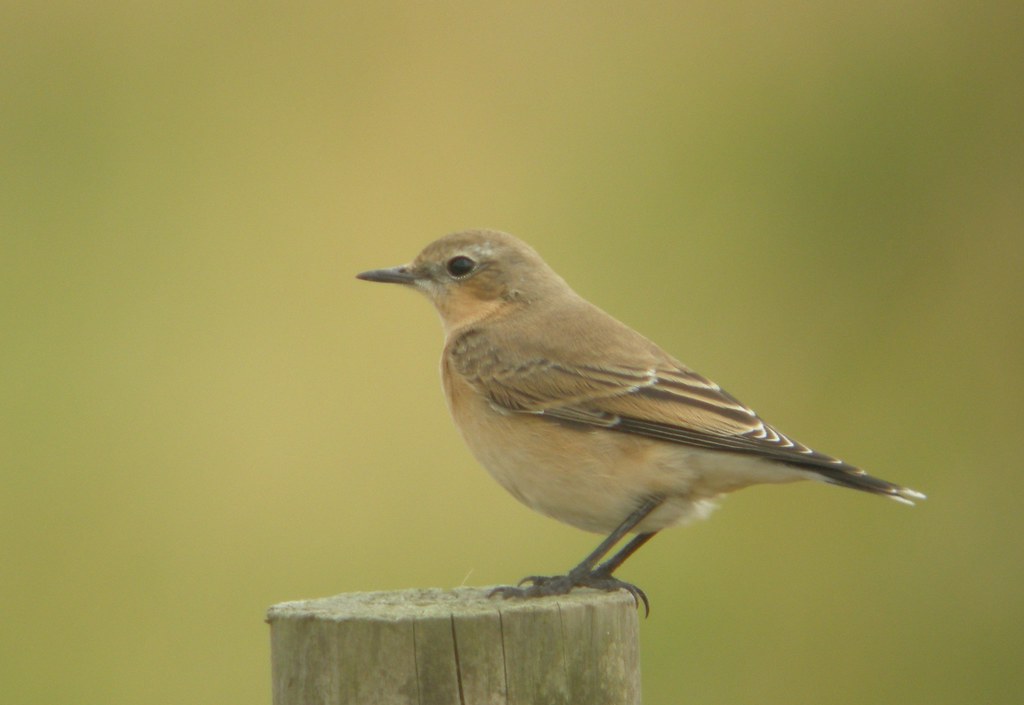
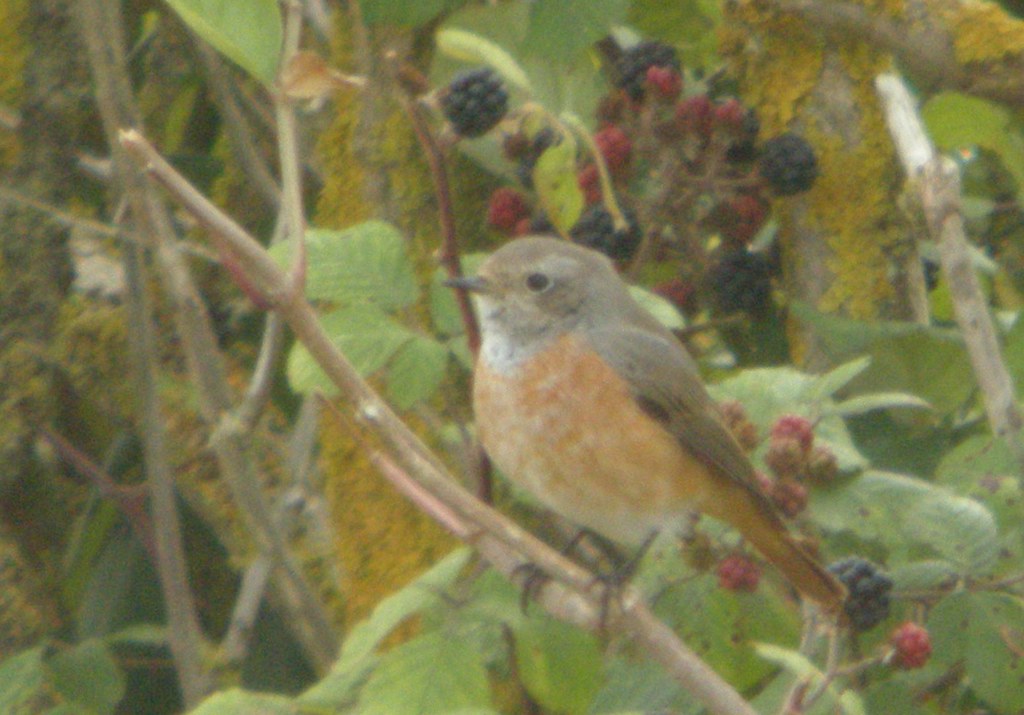
Headed out to the north coast this morning for a dawn(ish) raid on Burnham Overy Dunes. Got there at about 7.30 and bird the dunes, into the west end of Holkham Pines until 14.30. I was pretty knackered by the end of it, having kicked and booted every likely looking bush from Gun Hill to Holkham. The highlights of the day was a fly-over Lapland Bunting and a nice Snow Bunting (perhaps my earliest Norfolk record ever?) on the boardwalk which decided to fly off just as I got my camera on it. There were quite a few migrants in the dunes, although nothing to get exited about: 8 Redstarts, 5 Lesser Whitethroats, 6 Northern Wheatears and 2 Pied Flycatchers (in the pines), as well as about 1000 Pink-footed Geese over Holkham freshmarsh.
Still plenty of hirundines about, with roughly 200 Barn Swallows over the staithe on the high tide.
What have a good joke and seawatching got in common?
Timing!
And my awful timing whilst on a family holiday in Cornwall last week means that the joke is well and truly on me. My first bit of bad timing is excusable, I suppose. We couldn't move into our self-catering cottage at Pendeen until 4pm on 28 Aug, so by the time I arrived at Pendeen Watch, I'd already missed a Little Shearwater, Wilson's Petrel, Yelkouan Shearwater, Cory's Shearwater, 6 Great Shearwaters and 5 Sabine's Gulls. Anyway, I did manage to see 2 Great Shearwaters, 5+ Grey Phalaropes, Red-necked Phalarope (a real mega in Cornwall), 2 adult Sabine's Gulls plus lots of Balearic and Sooty Shearwaters. I also managed to miss a Wilson's Petrel that when passed whilst I was there through a combination of having a rather narrow field of view in my 20-60 zoom eyepiece and pretty bad directions from the finder of the bird.
My next bit of bad timing came two days later at Porthgwarra. I'd been seawatching from dawn, but had to leave at about 10.00 to get back for breakfast. Anyway, at 11.27, one of THREE Fea's Petrels that I was unknowingly about to miss over the next 4 days, passed PG that morning. I can accept missing these birds as they were all fairly well in the middle of the day and being on a family holiday meant that I really was never going to be there long enough to witness any of these sightings.
The last bit of bad timing is really inexcusable though. The wind had been strong SW for 3 days and was due to turn NW on 3 Sep, classic conditions for a great Pendeen seawatch. Due to the inclement weather, Angela and Matthew said they didn't mind me spending the day at Pendeen, so I headed out at dawn to join the 30 or so other birders that had gathered, anticipating a good days seawatching. Although the Manx Shearwaters were passing at a rate of about 4000 per hour, the morning started badly for me, failing to get onto 2 different Wilson's Petrels, but after seawatching for 12 hours I'd notched up a decent list, having seen 1 Great Shearwater, 2 Cory's, Sabine's Gulls, 3 Grey Phalaropes, a few Storm Petrels, plus lots of Balearic and Sooty Shearwaters and Great and Arctic Skuas. Things had really tailed off by 6.30 pm, so at 6.50 I headed off back home to buy fish and chips for the family as a 'thank you' for not complaining about me spending nearly the whole day birding. But, 30 minutes later, I found myself gazing in wretched anguish at the message on my pager: "Cornwall MADEIRAN PETREL flew west past Pendeen at 7.08pm". The bird had taken a few minutes to go past and Mark Golley had tried to call me to let me know, but the phone reception was pretty week in the cottage and it had gone straight to voicemail.
Oh well! That's birding for you. If you don't stay until the end, or don't check that last bush, or wait for that small wader to turn around, you don't know what you're going to miss.
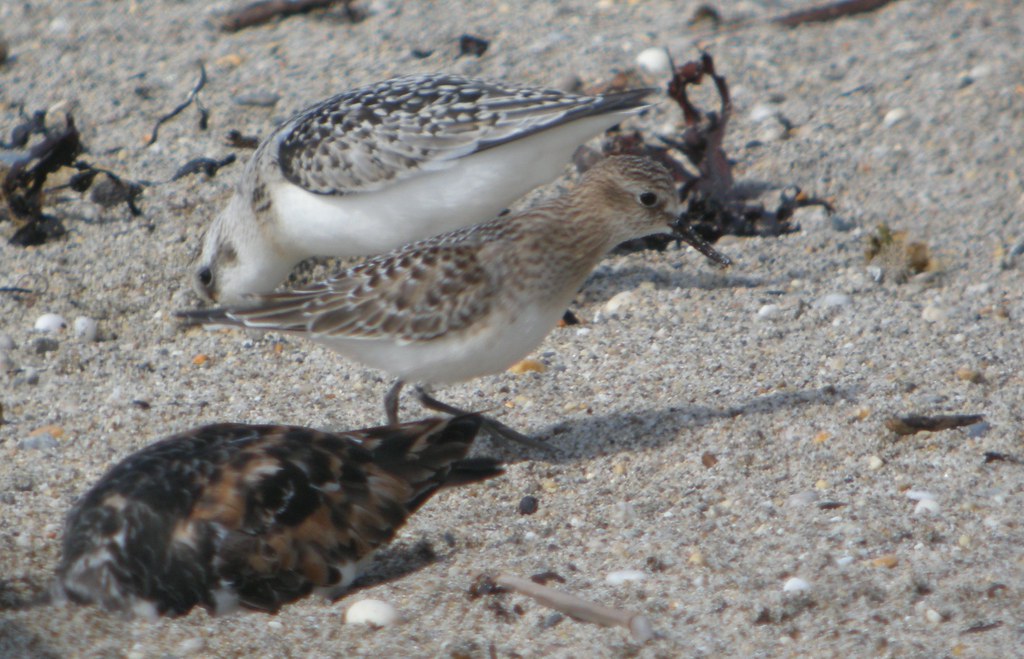
Anyway, I did see some good birds during the holiday other than the seabirds listed above. The juvenile Citrine Wagtail at Marazion Marsh RSPB was nice and provided some good video (see below) as was the Baird's Sand which showed well on the beach at Marazion.